
Your home’s energy can spike even when nobody’s there because devices like TVs, chargers, and electronics draw power in standby mode, silently increasing your bills. Poor insulation makes HVAC systems work harder, using more energy, especially during extreme weather. Outdated or unmaintained heating and cooling systems consume extra power. Small habits like leaving appliances plugged in or not sealing leaks also add to the spike. Keep exploring to uncover more hidden factors affecting your energy use.

Get travel and outdoor gear delivered free with Prime
- Fast, free delivery on millions of items
- Prime Video, Amazon Music and more included
- Member-only deals all year
Key Takeaways
- Devices in standby mode draw power, silently increasing energy consumption without active use.
- Poor insulation causes HVAC systems to work harder, leading to energy spikes during temperature fluctuations.
- Outdated or unmaintained HVAC systems consume more energy even when not actively heating or cooling.
- Small habits like leaving blinds open or leaks unsealed can cause unnecessary temperature changes and energy use.
- Extreme weather conditions can force systems to operate more intensively, causing unexpected energy spikes.
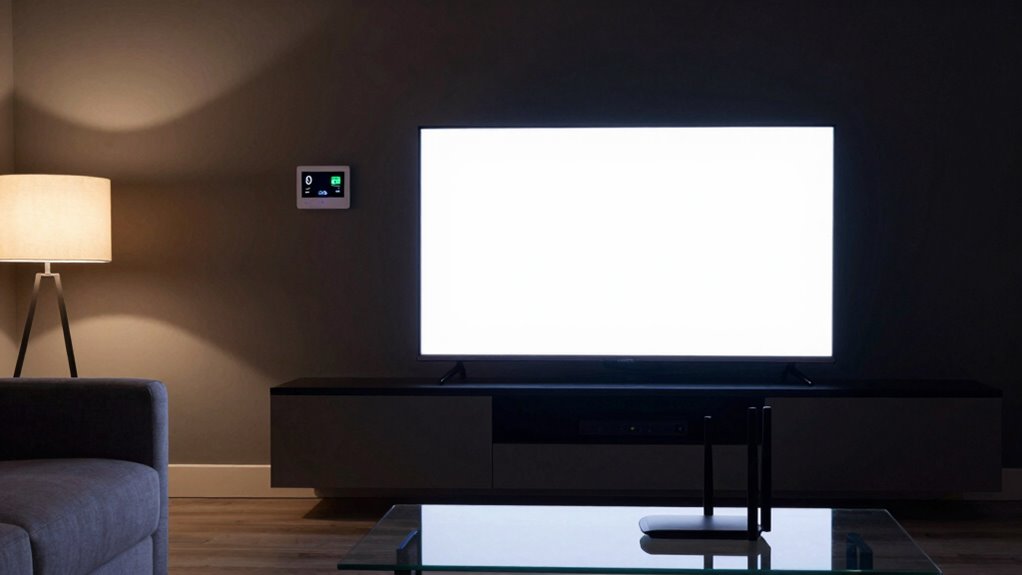
As temperatures fluctuate, many homeowners notice sudden spikes in their energy bills. You might wonder what’s causing these unexpected increases, especially when nobody’s home. Often, your home’s energy efficiency can be compromised by small, overlooked factors. One common culprit is appliance standby power, also known as phantom energy. Even when appliances are turned off, many continue to draw power if they remain plugged in. Devices like TVs, chargers, and kitchen gadgets can silently consume energy, adding up over time and inflating your bills without your realizing it.
Appliance standby power quietly increases bills by consuming energy even when devices are off and plugged in.
You might not think about how much energy your electronics use when idle, but these little power drains can considerably impact your overall consumption. You could be surprised to find that leaving your computer, gaming consoles, or even your Wi-Fi router plugged in constantly contributes to energy waste. To combat this, consider unplugging devices when not in use or using power strips to easily cut power to multiple appliances at once. This simple step can make a notable difference in reducing unnecessary energy consumption.
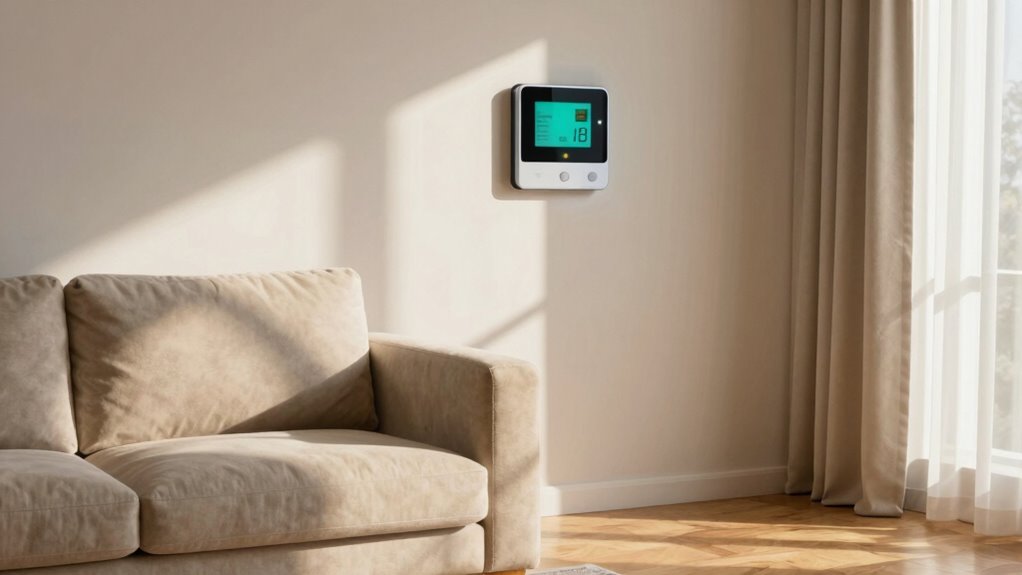
Another factor affecting your energy use is how well your home is insulated and how efficiently your systems run. If your home isn’t properly insulated, your heating or cooling systems may need to work harder to maintain a comfortable temperature, leading to spikes during extreme weather changes. Even if you’re not actively adjusting your thermostat, your HVAC system can continue to cycle more frequently and consume more energy, especially if it’s outdated or poorly maintained. Proper insulation** plays a crucial role in maintaining consistent indoor temperatures and reducing energy waste. Additionally, understanding home energy efficiency can help you identify areas for improvement and prevent unnecessary energy use. Improving home weatherization** can also contribute to more stable energy consumption year-round.
Your heating and cooling systems, along with appliances, are optimized for energy efficiency when they’re in good working condition. Regular maintenance and upgrades to more energy-efficient models can help prevent sudden energy spikes. If your appliances are aging or inefficient, they’ll draw more power, especially during peak times. Upgrading to models with better energy ratings ensures your home consumes less energy to do the same work, smoothing out those unexpected bill increases.
In addition, the way you manage your home’s energy usage matters. Simple habits like closing blinds during hot days, sealing leaks around windows and doors, and setting your thermostat wisely can all help keep your energy consumption steady. Being aware of appliance standby power and how it contributes to overall energy waste can further support your efforts. By paying attention to appliance standby power, improving your home’s insulation, and choosing energy-efficient appliances, you can reduce the likelihood of those surprise spikes in your energy bills, even when no one’s home.
smart power strips with surge protection
As an affiliate, we earn on qualifying purchases.
As an affiliate, we earn on qualifying purchases.
Frequently Asked Questions
Can Appliances Turn on Automatically Without My Knowledge?
Yes, appliances can turn on automatically without you knowing, often due to features like smart technology or scheduled settings. To prevent unexpected energy use, invest in energy-efficient upgrades and make certain proper appliance maintenance. Regularly check and update your smart devices, disable unnecessary scheduling, and keep appliances in good condition. This way, you control when your appliances operate, reducing energy waste and keeping your home more efficient.
Do Smart Devices Contribute to Unexpected Energy Use?
Smart devices are like unpredictable weather; they can unexpectedly increase your home’s energy consumption. Yes, they do contribute to unexpected energy use, especially if their security isn’t tight, making them vulnerable to hacking. These devices follow energy consumption patterns, sometimes turning on or off automatically, which spikes your usage. To keep control, regularly update security settings and monitor your smart gadgets to prevent any surprise energy surges.
How Often Should I Check for Hidden Energy Leaks?
You should check for hidden energy leaks at least once a year. Start with a thorough energy audit to identify leaks, drafts, or inefficient appliances. Pay close attention to insulation, windows, and doors, as upgrading insulation can considerably reduce energy loss. Regular inspections help catch issues early, saving you money and improving efficiency. If you notice unexpected spikes in energy use, an annual check-up ensures your home stays energy-efficient and comfortable.
Can Weather Conditions Affect My Energy Consumption?
Weather impact can turn your home into a rollercoaster of energy use, especially during seasonal variations. Cold snaps make your heater work overtime, while scorching heat drives up AC demand. Sudden temperature shifts, humidity, and wind can all influence energy consumption. So, you’ll notice spikes even if no one’s home, as your system constantly adjusts to the changing weather outside, turning your energy bill into a wild ride.
Is It Normal for Energy Meters to Show Fluctuations?
Yes, it’s normal for energy meters to show fluctuations. These variations can stem from energy meter accuracy issues or changes in your usage patterns, like appliances cycling on and off or temperature shifts affecting heating and cooling. Small fluctuations are common and usually not a cause for concern. Monitoring your energy use regularly helps you understand these patterns better and guarantees your meter is functioning correctly.
Conclusion
Think of your home’s energy use like a hidden river that sometimes swells unexpectedly. Even when you’re not around, unseen currents—like faulty appliances or sneaky leaks—can cause your energy bill to spike. Staying vigilant is key; by catching these hidden surges early, you prevent your energy system from becoming an uncontrollable flood. Remember, awareness is the dam that keeps your energy expenses steady, protecting your home from unnecessary waste and cost.
Halloween Picks
halloween
As an affiliate, we earn on qualifying purchases.