
TL;DR

Get travel and outdoor gear delivered free with Prime
- Fast, free delivery on millions of items
- Prime Video, Amazon Music and more included
- Member-only deals all year
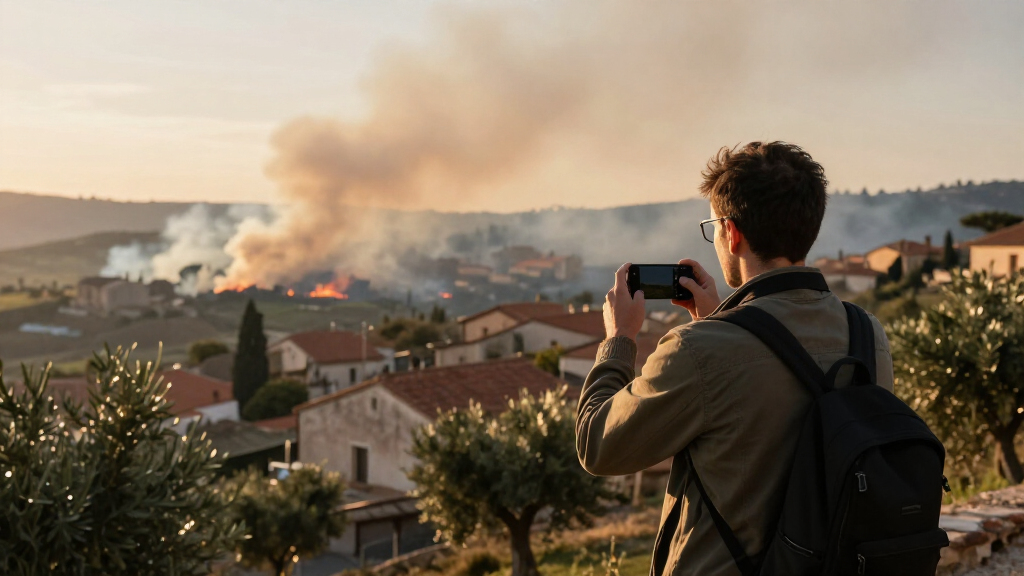
Wildfires are spreading across Sicily, Italy, endangering residential areas. Emergency services are battling the flames, but the situation remains unresolved. The event highlights ongoing wildfire risks in the region.
Wildfires are actively threatening residential areas across Sicily, Italy, according to local authorities, prompting an urgent firefighting response. The fires have spread rapidly due to dry conditions and strong winds, putting homes and communities at risk. This development underscores the increasing frequency and severity of wildfires in the region, driven by climate factors and recent weather patterns.
Multiple wildfires have broken out across different parts of Sicily, with authorities confirming that several residential zones are under threat. Emergency services have deployed helicopters, fire trucks, and personnel to contain the flames, which have already caused evacuations in some communities. The fires are fueled by a combination of prolonged drought, high temperatures, and gusty winds, making firefighting efforts challenging.
Officials from the Sicilian regional government stated that no casualties or injuries have been reported so far, but the situation remains fluid. The local fire department reported that containment lines are being established, but the fires continue to spread in certain areas. The affected regions include parts of Palermo, Catania, and Siracusa provinces, where residents are advised to stay alert and follow evacuation orders if issued.
Environmental agencies warn that the risk of further wildfires remains high in the coming days due to ongoing dry weather and heatwave conditions. Authorities have also called for increased cooperation with residents to prevent accidental ignition sources and to protect vulnerable properties.
Implications for Regional Safety and Climate Trends
The ongoing wildfires in Sicily highlight the rising threat of climate-induced natural disasters in the Mediterranean region. Wildfires not only threaten homes and lives but also impact local ecosystems, agriculture, and tourism. The situation underscores the need for enhanced preparedness and climate resilience measures in Italy and neighboring countries, as such events are expected to become more frequent and severe.
For residents, the fires represent immediate safety concerns and potential long-term economic impacts, especially if widespread evacuations or property damage occur. Policymakers and environmental groups are closely monitoring the situation to assess the effectiveness of current firefighting strategies and to develop more robust prevention policies.
As an affiliate, we earn on qualifying purchases.
Recent Trends in Mediterranean Wildfires
Wildfires have been increasingly common across the Mediterranean basin over the past decade, driven by rising temperatures and prolonged drought conditions. Italy, in particular, has experienced several severe fire seasons, with Sicily frequently affected due to its dry climate and dense vegetation. The current outbreak follows a pattern of escalating wildfire activity during the summer months, with authorities warning that climate change is likely to exacerbate these trends.
Previous years have seen large-scale fires in Sicily and other parts of Italy, causing significant property damage and environmental degradation. The government has implemented various measures to improve firefighting capacity, but the increasing intensity of fires continues to challenge existing resources and strategies.
While the exact cause of the current fires is not yet confirmed, many recent outbreaks have been linked to human activity, including accidental ignitions and arson, compounded by weather conditions.
Unconfirmed Causes and Future Fire Risk Levels
It is not yet confirmed what exactly caused the current wildfires, though human activity and weather conditions are suspected contributors. The full extent of property damage and the potential for further spread remain unclear, as firefighting efforts are ongoing and conditions are still volatile.
Experts warn that if hot and windy weather persists, the risk of additional fires in Sicily and surrounding regions could increase, but specific forecasts are still being developed.
Next Steps in Firefighting and Monitoring
Authorities will continue their firefighting operations, with focus on containment and preventing further spread to residential areas. Weather forecasts predicting continued dry and windy conditions suggest that firefighting efforts will remain challenging in the coming days. Officials will also assess the need for evacuations and additional resources.
Monitoring agencies are expected to update the public regularly as new information becomes available, and investigations into the causes of the fires will likely be initiated once the situation stabilizes.
Key Questions
Are residents being evacuated in Sicily?
Yes, some communities in affected areas have been evacuated as a precaution, and residents are advised to follow official instructions for safety.
What is causing the wildfires in Sicily?
The exact causes are not yet confirmed, but weather conditions such as high temperatures and strong winds, along with possible human activity, are suspected contributors.
How are authorities responding to the fires?
Emergency services are deploying helicopters, fire trucks, and personnel to contain the fires, establish containment lines, and evacuate threatened communities if needed.
Will the fires continue to spread?
It is uncertain, but ongoing dry weather and wind conditions increase the risk of further spread. Authorities are actively monitoring the situation.
What can residents do to stay safe?
Residents should stay alert to official updates, follow evacuation orders if issued, and avoid activities that could ignite new fires, especially in dry, windy conditions.
Source: rss
Halloween Picks
halloween
As an affiliate, we earn on qualifying purchases.