
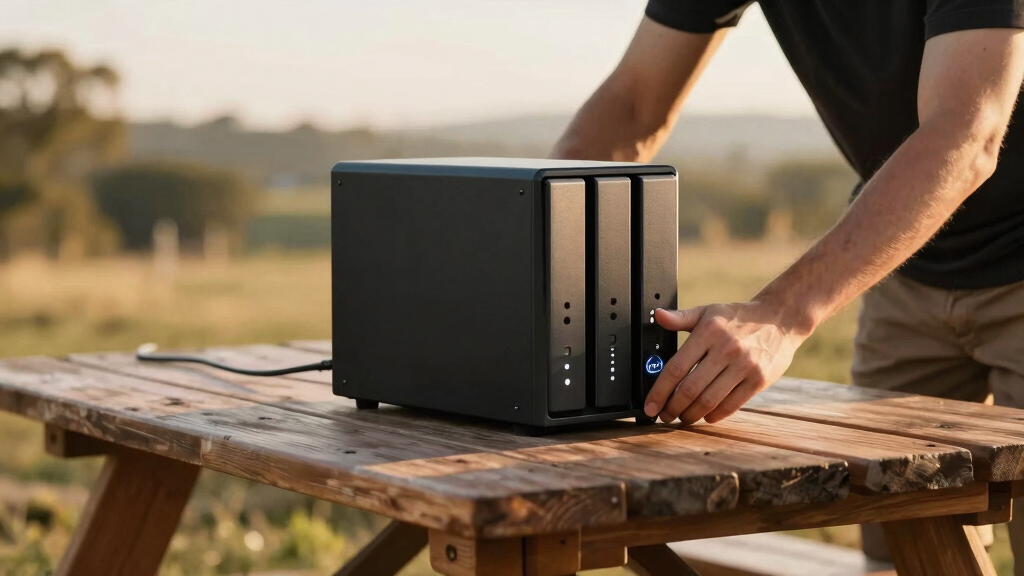

When selecting the best 4 bay NAS enclosures for media backups, durability, performance, and ease of use are key. The Terramaster F4-425 stands out as the overall best choice, thanks to its powerful Intel CPU and solid build quality. For those prioritizing affordability, the BUFFALO LinkStation 220 offers reliable storage at a budget-friendly price. If you need a system that’s simple for beginners, the BUFFALO LinkStation 220 makes setup straightforward, while the TERRAMASTER F4-425 caters more to power users. The main tradeoffs involve balancing capacity, ease of maintenance, and cost. Continue reading for a detailed breakdown of each option to find the right fit for your media backup needs.

Get travel and outdoor gear delivered free with Prime
- Fast, free delivery on millions of items
- Prime Video, Amazon Music and more included
- Member-only deals all year
Key Takeaways
- High-performance models like the TERRAMASTER F4-425 offer robust hardware for heavy media use but come at a higher cost.
- Enclosures with built-in cooling fans help maintain drive longevity, especially during prolonged backups or heavy workloads.
- RAID support varies significantly; choosing between RAID modes affects redundancy and data security.
- Ease of setup and management is crucial for beginners, making simple interfaces and plug-and-play options more attractive.
- Price varies widely; budget options may lack advanced features but still serve basic backup needs effectively.


More Details on Our Top Picks
QNAP TR-004 4 Bay USB Type-C Direct Attached Storage (DAS) with hardware RAID (Diskless)
This diskless enclosure excels at expanding storage capacity for users who already own a QNAP NAS, thanks to its hardware RAID support and USB Type-C connectivity. Compared to the CENMATE enclosure, the TR-004 offers more flexible RAID options like RAID 0, 1, 5, and JBOD, making it ideal for those seeking data redundancy and performance. However, this device is limited to use as an external pool and cannot run NAS applications directly, which might be a drawback for those wanting integrated NAS features. Its lockable bays provide added security, and compatibility with multiple OSes makes it a flexible choice. The tradeoff is that this model is less suited for direct media playback or standalone backups without a NAS, unlike the WAVLINK offering.
Pros:- Supports multiple hardware RAID configurations for redundancy and performance
- Plug-and-play with Windows, macOS, and Linux via USB-C
- Lockable drive bays enhance data security
Cons:- Cannot run NAS applications directly; only functions as external storage
- Limited to use with compatible QNAP NAS models; not standalone
Best for: Power users with existing QNAP NAS systems who need external capacity expansion and RAID flexibility.
Not ideal for: Beginners seeking an all-in-one NAS device or those wanting standalone media server capabilities.
- Interface:USB Type-C
- Supported RAID:RAID 0, 1, 5, JBOD
- Drive Bays:4 x 3.5-inch SATA
- Compatibility:Windows, macOS, Linux
- Form Factor:Diskless
- Max Capacity:Dependent on drives
Bottom line: Best suited for existing QNAP users needing reliable external RAID storage for media backups.
WAVLINK 4-Bay Hard Drive Enclosure for 3.5″ and 2.5” SATA HDD/SSD Featuring 10Gbps USB-C 3.2, Max 88TB Capacity, Built-in Temp-Controlled Cooling Fans, 4K HDMI Stunning Video Output, Aluminum Shell
This enclosure offers exceptional versatility for media creators and power users, supporting both HDDs and SSDs with high transfer speeds via USB 3.2 Gen 2 and an additional HDMI output for direct media playback. Unlike the Mediasonic DAS, it emphasizes multimedia capabilities with stunning 4K output and active cooling, making it ideal for media backups and real-time viewing. Its dual 10Gbps USB-C ports enable fast data transfer and peripheral daisy-chaining, but the added complexity and cost may be overkill for users just needing simple backups. The aluminum shell and built-in fans help maintain optimal drive temperatures during heavy use, though the device’s broad feature set might be overwhelming for basic users.
Pros:- Supports both 3.5” and 2.5” drives for maximum flexibility
- High-speed 10Gbps USB-C transfer and 4K HDMI output
- Built-in temperature-controlled cooling fans for thermal management
Cons:- Requires compatible host with video output support for HDMI
- Heavier and more expensive than basic enclosures
Best for: Media professionals and enthusiasts who want fast backups alongside high-quality media output.
Not ideal for: Users seeking a straightforward, budget-friendly backup solution without multimedia features.
- Interface:USB 3.2 Gen 2, HDMI
- Supported Drives:3.5” and 2.5” SATA HDD/SSD
- Max Capacity:88TB
- Transfer Speed:Up to 10Gbps
- Cooling:Dual built-in fans
- Material:Aluminum
Bottom line: Ideal for multimedia creators needing fast, versatile external storage with display capabilities.
Mediasonic USB 3.2 4 Bay 3.5” SATA Hard Drive Enclosure DAS – USB 3.2 Gen 2 10Gbps Type C | Support 30TB HDD
This enclosure prioritizes straightforward setup and high transfer speeds, making it perfect for users new to external storage solutions. It supports drives up to 30TB each, with UASP and smart fan features to help keep drives cool during intensive use. Compared with the CENMATE enclosure, it offers a more user-friendly front door access and a reliable chipset, simplifying drive management. The main tradeoff is that it lacks RAID options, which limits redundancy; drives are presented individually. Its plug-and-play design works well for personal backups or casual media storage, but power users needing data redundancy may need a different solution.
Pros:- Supports drives up to 30TB each for large media libraries
- High-speed 10Gbps transfer with USB 3.2 Gen 2
- Easy tool-free drive installation with front access door
Cons:- No RAID support; drives appear individually
- Limited to direct attached storage, not a networked or standalone NAS
Best for: Individuals new to external storage who want simple, fast backups without complex setup.
Not ideal for: Power users requiring RAID support or standalone NAS functions.
- Interface:USB 3.2 Gen 2 Type C
- Supported Drives:3.5” SATA HDD up to 30TB
- Transfer Speed:Up to 10Gbps
- Fan:Smart, thermal sensor
- Build Material:Taiwan-made
- Max Capacity:120TB total
Bottom line: Best for newcomers needing quick, reliable external storage without RAID complexity.
SABRENT 5-Bay USB 3.2 Gen 2 SATA Docking Station for 3.5” HDD/SSD, 10Gbps USB-C DAS, Tray-Less Hot-Swap, Aluminum Enclosure with 120mm Cooling Fan, Individual Power Switches, No RAID (DS-SC5B)
This docking station makes a strong impression on power users who want extensive control, featuring five independent bays with hot-swap capability and individual power switches. Unlike the RAID-less Sabrent model, this unit emphasizes maximum flexibility without RAID support, giving users total control over each drive. The inclusion of a large cooling fan helps sustain high performance during prolonged backups or media transfers. The tray-less design simplifies drive swaps, but the lack of RAID and network features limits its direct use as a NAS. It’s a perfect choice for those who prioritize speed and flexibility in a direct-attached setup, with the tradeoff being less suitability for networked media backups or redundancy.
Pros:- Supports five drives with hot-swappable trays
- Individually controlled power switches for each bay
- Active cooling with a large 120mm fan
Cons:- No RAID support or network sharing
- Bulkier setup without NAS functionalities
Best for: Tech-savvy users managing multiple drives who prioritize speed and easy hot-swapping.
Not ideal for: Beginners or those seeking a dedicated NAS with RAID and network access.
- Interface:USB 3.2 Gen 2 Type C
- Drive Bays:5 x 3.5” SATA
- Transfer Speed:Up to 10Gbps
- Cooling:120mm active fan
- Build Material:Aluminum
- Supports RAID:None
Bottom line: Ideal for advanced users needing high-speed, multi-drive control in a direct-attached environment.
CENMATE 4 Bay Hard Drive Enclosure with Cooling Fan for 2.5/3.5″ SATA HDD/SSD with USB A/C 3.0+eSATA Cable, 3.5 Hard Drive Reader Supports 80TB Capacity(NO RAID/NAS)
This enclosure delivers a solid balance of capacity and ease of use, supporting both 2.5” and 3.5” drives with a built-in cooling fan, making it suitable for those who need an affordable, dependable backup device. Unlike the WAVLINK, it does not include HDMI output, focusing solely on storage. Its aluminum construction aids heat dissipation, and the USB 3.0 and eSATA interfaces support speeds up to 5Gbps, making it a good choice for basic backups and media storage. The lack of RAID limits redundancy, but for users who want simple, high-capacity external drives, it offers excellent value. The tradeoff is that it’s less feature-rich than premium options, but it’s reliable and straightforward, especially for budget-conscious buyers.
Pros:- Supports up to 80TB total capacity
- Built-in cooling fan maintains optimal drive temperatures
- Supports both 2.5” and 3.5” drives for flexibility
Cons:- No RAID support, drives are standalone
- Limited transfer speeds compared to higher-end models
Best for: Home users or small businesses seeking a cost-effective, high-capacity external drive solution.
Not ideal for: Power users needing RAID or network capabilities for media backups.
- Interface:USB 3.0, eSATA
- Supported Drives:2.5”/3.5” SATA HDD/SSD
- Max Capacity:80TB
- Cooling:Built-in fan
- Material:Aluminum alloy
- Transfer Speed:Up to 5Gbps
Bottom line: Great for budget-conscious users needing large, reliable external storage without RAID or NAS features.
BUFFALO LinkStation 220 4TB 2-Bay NAS Network Attached Storage with HDD Hard Drives Included NAS Storage that Works as Home Cloud or Network Storage Device for Home
This model stands out for its straightforward setup and integrated hard drives, making it ideal for users who want a simple, ready-to-go NAS without additional hardware. Compared to the TERRAMASTER F4-425, which offers more advanced media transcoding and higher performance, the Buffalo is more limited in processing power but excels in ease of use and plug-and-play convenience. Its RAID 1 configuration provides basic redundancy, but the 4TB total capacity may fall short for larger media libraries. The device’s closed system reduces vulnerabilities, and Buffalo’s 24/7 US-based support offers peace of mind. However, lacking features like 2.5GbE ports or extensive app integrations makes it less suitable for tech-savvy users or those needing multi-device streaming. This NAS makes the most sense for small households or beginners prioritizing simplicity over extensive customization.
Pros:- Pre-installed drives simplify setup and reduce initial costs
- RAID 1 provides data redundancy for peace of mind
- 24/7 US-based support enhances reliability
Cons:- Limited scalability with only 2 bays and 4TB capacity
- Lacks advanced networking features like 2.5GbE ports
- Basic media features may fall short for demanding users
Best for: Home users who want a hassle-free, ready-to-use NAS with included drives for basic backups and media sharing
Not ideal for: Power users or media enthusiasts needing high-capacity, multi-device streaming, or advanced media server features
- Total Capacity:4TB
- Drive Bays:2
- RAID Support:RAID 1
- Connectivity:Ethernet
- Supported OS:Windows, macOS
- Support:24/7 US-based
- Warranty:2 years
- Included Drives:Yes
- Performance:Basic home network speeds
Bottom line: This NAS is best suited for small households or beginners seeking a simple, reliable home backup solution.
TERRAMASTER F4-425 4-Bay NAS Storage – Intel x86 Quad-Core CPU, 4GB RAM, 2.5GbE LAN, Network Attached Storage Multimedia Server for Home Users (Diskless)
The TERRAMASTER F4-425 is designed for users who need powerful media handling and multitasking capability, thanks to its Intel quad-core processor and 4GB RAM. In comparison to the BUFFALO LinkStation 220, which offers plug-and-play simplicity, the TerraMaster provides superior processing power suitable for 4K transcoding and simultaneous multi-user access. Its support for hardware-level 4K decoding and compatibility with Plex, Emby, and Jellyfin makes it a strong choice for media-heavy households. The 2.5GbE LAN port ensures fast data transfers, ideal for editing or streaming large files. The mobile app support simplifies setup and remote management, but the device is more complex to configure and may be overkill for basic backups. This NAS fits best for media enthusiasts or small offices needing robust performance and flexibility.
Pros:- Powerful Intel quad-core processor handles multitasking easily
- Supports hardware 4K transcoding for smooth media playback
- 2.5GbE LAN port for ultra-fast network speeds
- Mobile app offers full remote control and setup
Cons:- More complex setup process than basic NAS models
- Higher cost due to advanced hardware and features
- No pre-installed drives, requiring user setup
Best for: Media enthusiasts or small home offices requiring high-speed transfers and 4K media transcoding
Not ideal for: Beginners or users with minimal backup needs who prefer simple, out-of-the-box solutions
- Processor:Intel x86 quad-core
- RAM:4GB
- Total Storage:Up to 120TB (4 x 30TB)
- Network Port:2.5GbE
- Supported OS:Windows, macOS, Linux
- Media Support:4K hardware decoding
- Mobile App:Yes
- RAID Support:Yes
- Noise Level:Quiet
Bottom line: Ideal for users who need a high-performance NAS capable of media transcoding and multitasking in a small household or office environment.
ORICO 4 Bay Raid Hard Drive Enclosure Support 8 RAID Modes for 3.5inch HDD Max up to 88TB for External Direct Attached Storage, Efficient Expansion Backup
This enclosure is tailored for users who need versatile RAID options and high capacity, supporting 8 RAID modes including RAID 0, 1, 5, 10, and JBOD. Compared with the BUFFALO LinkStation 220, which is limited to RAID 1, ORICO offers extensive RAID flexibility, making it suitable for customized redundancy or performance configurations. Its support for up to 88TB total capacity and multiple RAID modes makes it ideal for large-scale data projects or enterprise backups. The support for 3.5-inch SATA drives and USB 3.0 with 5Gbps transfer speeds ensures fast data management. The aluminum alloy case and built-in silent fan promote heat dissipation, but the device is more complex to set up, especially when switching RAID modes, which can risk data loss if not done carefully. Best suited for advanced users or small businesses needing flexible RAID management.
Pros:- Supports 8 RAID modes for maximum flexibility
- Supports up to 88TB total storage capacity
- High-speed USB 3.0 with 5Gbps transfer rate
- Robust aluminum construction with effective heat dissipation
Cons:- Complex RAID mode switching risks data loss if not done properly
- No network connectivity—acts as direct attached storage only
- Setup and management require technical knowledge
Best for: Power users or small businesses requiring extensive RAID configurations and large storage capacity
Not ideal for: Beginners or those who need a simple, plug-and-play NAS for basic backups
- RAID Modes:8 modes including RAID 0, 1, 5, 10
- Max Capacity:88TB
- Supported Drives:3.5
- Interface:USB 3.0
- Material:Aluminum alloy
- Transfer Speed:5Gbps
- Fan:Built-in silent fan
- Compatibility:Windows, Mac, Linux
- Form Factor:External enclosure
Bottom line: Best suited for advanced users or small setups needing flexible RAID options and large capacity external storage.
CENMATE Aluminum 4 Bay Hard Drive Enclosure with Cooling Fan for 2.5“/3.5″ SATA HDD/SSD with USB A/C 3.0, Support Hot Swappable, Tool-Free HDD Enclosure, DAS(NO RAID/NAS)
This enclosure makes a compelling choice for users who want straightforward, high-capacity external storage with active cooling. Compared to the BUFFALO LinkStation 220, which incorporates built-in drives and network functions, the Cenmate enclosure offers more flexibility for DIY setups but lacks RAID and NAS features. Its hot-swappable bays and tool-less design simplify installation and maintenance, making it ideal for quick backups or data transfers. The aluminum shell and dual 80mm fans help manage heat during extended use, but the noise level of around 40-50 decibels may be a concern for very quiet environments. With support for drives up to 80TB and compatibility with Windows, Mac, and Linux, this device suits users seeking reliable external storage for personal or small business use without the complexity of network setup.
Pros:- Hot-swappable bays for quick drive replacement
- Supports up to 80TB capacity
- Active cooling with dual 80mm fans and aluminum shell
- Tool-free design simplifies installation
Cons:- No RAID or network capabilities, limiting use cases
- Fan noise may be noticeable in quiet environments
- Requires manual RAID setup if desired, with potential data risks
Best for: Users needing a reliable external drive enclosure with active cooling and easy drive swapping
Not ideal for: Users requiring networked NAS or RAID redundancy for critical media backups
- Capacity:Up to 80TB
- Drive Bays:4
- Supported Drives:2.5/3.5 inch SATA HDD/SSD
- Connectivity:USB 3.0
- Cooling:Dual 80mm fans
- Material:Aluminum
- Hot Swappable:Yes
- Supported OS:Windows, Mac, Linux
- Raid Support:No
Bottom line: This enclosure is best for users who want simple, high-capacity external storage with active cooling and easy maintenance.
CENMATE Aluminum 4 Bay Hard Drive RAID Enclosure with Cooling Fan for 2.5/3.5″ SATA HDD/SSD with USB A/C 3.0+eSATA Cable, 3.5 Hard Drive Reader Supports 80TB Capacity, 8 RAID Modes, DAS(NO NAS)
This device offers a versatile solution for users who need multiple RAID modes and large capacity external storage. Unlike the BUFFALO LinkStation 220, which is more of a plug-and-play NAS, this enclosure supports 8 RAID modes, including RAID 0, 1, 5, 10, and JBOD, making it ideal for customized redundancy and performance setups. Its maximum capacity of 80TB and support for both 2.5″ and 3.5″ drives provide substantial flexibility. The aluminum case with dual fans ensures effective heat dissipation during intensive use. However, switching RAID modes involves manual steps and could risk data loss if not done carefully. It’s compatible with Windows, Mac, and Linux and includes both USB and eSATA interfaces for broad connectivity. This product suits tech-savvy users or small businesses needing adaptable, high-capacity external solutions.
Pros:- Supports 8 RAID modes for maximum customization
- Up to 80TB capacity with support for various drives
- Includes both USB 3.0 and eSATA for high-speed connectivity
- Effective heat dissipation with aluminum case and dual fans
Cons:- RAID mode switching is manual and carries risk of data loss
- No network connectivity—acts as external DAS only
- Setup and management require technical expertise
Best for: Advanced users or small businesses seeking flexible RAID configurations and large external capacity
Not ideal for: Beginners or users who prefer simple, networked NAS solutions without RAID complexity
- RAID Modes:8 modes including RAID 0, 1, 5, 10
- Max Capacity:80TB
- Supported Drives:2.5/3.5 inch SATA
- Interfaces:USB 3.0, eSATA
- Material:Aluminum
- Cooling:Dual fans
- Compatibility:Windows, Mac, Linux
- Form Factor:External DAS
- Maximum Drive Support:80TB
Bottom line: Ideal for users who need adaptable RAID options and large external storage capacity with advanced control.
How We Picked
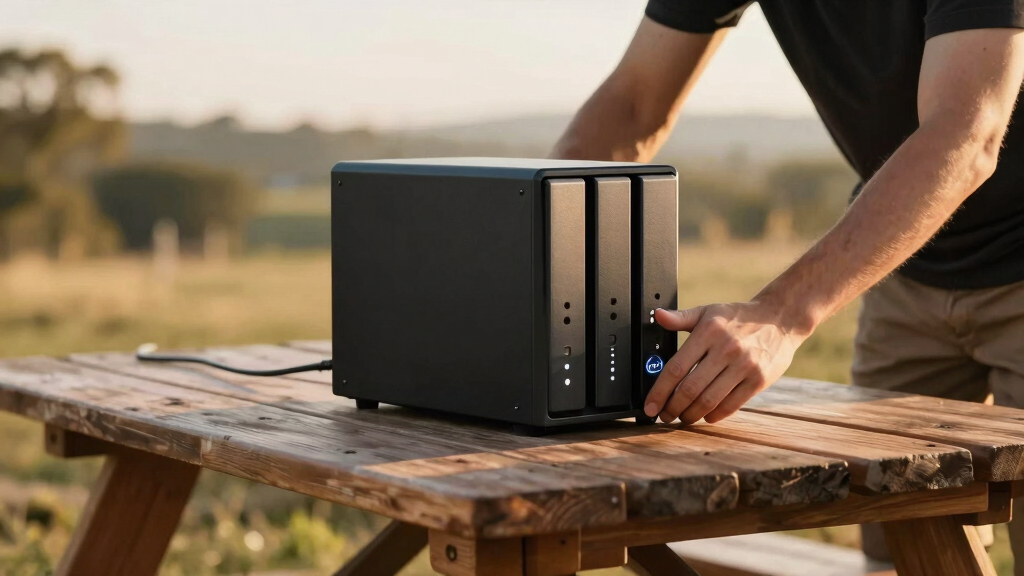
The products were evaluated based on key factors including performance, build quality, ease of installation, expandability, and value for money. We prioritized enclosures that offer reliable data protection, flexible RAID options, and user-friendly features. The ranking reflects a balance between cost and capabilities, with higher-tier models providing more advanced hardware for demanding media backups. Products with robust cooling, easy maintenance, and good reviews across multiple use cases earned higher scores. This approach ensures the list addresses a broad spectrum of user needs, from casual home users to power users requiring intensive media management.Factors to Consider When Choosing Best 4 Bay NAS Enclosures For Media Backups
Choosing the right 4 bay NAS enclosure for media backups involves understanding several key factors. Not all models are created equal; some prioritize performance, others focus on ease of use or expandability. Knowing what features matter most for your specific needs can prevent overspending or ending up with a system that doesn’t meet your expectations. This guide highlights the most important considerations to help you make an informed decision.Performance and Hardware Specifications
Performance is a core factor, especially if you’re backing up large media files regularly. Look for enclosures with powerful processors and ample RAM, as these will handle data transfers and multitasking better. Hardware RAID support can also improve performance and data safety, but it may come at a higher price. Consider your backup volume and whether you need real-time syncing or just periodic backups, as this influences the level of hardware power required.
Ease of Use and Setup
For those new to NAS systems, a straightforward setup process and intuitive management interface are essential. Some enclosures offer plug-and-play capabilities, while others require more technical know-how. Features like pre-installed drives, one-touch backups, and mobile app support can significantly reduce setup time and ongoing management. Avoid overly complex systems if you prefer a hassle-free experience, but be aware that more user-friendly options might sacrifice some advanced features.
Cooling and Longevity
Media backups often involve prolonged or intensive use, which can generate heat and impact drive longevity. Enclosures with built-in fans and proper ventilation help maintain optimal operating temperatures. Aluminum shells also aid heat dissipation. Neglecting cooling can lead to premature drive failure, especially when running RAID configurations or large data transfers continuously. Investing in models with effective thermal management is wise if you plan to use the system heavily.
Expandability and Connectivity
Consider how much storage capacity you might need in the future. Some enclosures support additional drives or external connections like eSATA or USB expansion ports. Network connectivity options, such as 2.5GbE or 10GbE ports, enable faster data transfer, which is beneficial for media files. Balancing current needs with future growth potential can save money and effort down the line. Remember, more expandability often means higher initial cost.
Value and Cost Considerations
Price ranges vary quite a bit; budget models may lack advanced features but still provide reliable basic backups. Premium units often include faster processors, better build quality, and more RAID options. Think about your long-term needs—investing slightly more upfront can extend the system’s lifespan and improve performance. Conversely, overpaying for features you won’t use can be counterproductive, so choose a model that aligns with your actual backup volume and technical comfort level.
Frequently Asked Questions
Can I replace drives in these enclosures easily?
Most 4 bay NAS enclosures in this list support hot-swappable drives, allowing you to replace or upgrade drives without shutting down the system. This feature is especially useful for maintaining backups or expanding storage without downtime. However, the ease of drive replacement varies; tray-less designs or tool-less mechanisms simplify the process further. Always check the specific model’s documentation to confirm compatibility and procedures.
Do I need to buy drives separately or are they included?
Generally, most NAS enclosures are sold as diskless units, meaning you need to purchase drives separately. This approach provides flexibility to choose drives based on capacity, speed, and budget. Some models, like the Buffalo LinkStation, come with drives pre-installed, which simplifies setup but reduces upgrade flexibility. Always verify whether the product includes drives before purchasing, especially if you want a ready-to-use system.
What RAID modes should I prioritize for media backups?
The choice of RAID mode impacts data redundancy and performance. For media backups, RAID 1 or RAID 5 offers good data protection, with RAID 1 mirroring files for redundancy and RAID 5 balancing capacity with fault tolerance. If maximum speed is essential and data security is less critical, JBOD or non-RAID configurations might suffice. Consider your backup importance and whether you prefer data safety or capacity maximization when selecting RAID modes.
Is a dedicated NAS better than using a direct-attached enclosure?
A dedicated NAS offers network access, multi-user support, remote management, and often more advanced features, making it ideal for media backups in a home or small office. Direct-attached enclosures are simpler and generally less expensive but require direct connection to a computer, limiting accessibility and flexibility. For media backups shared across multiple devices, a NAS is usually the better choice, despite the higher initial setup complexity.
How important is drive cooling in media backup systems?
Effective cooling is vital for maintaining drive health and longevity, especially during continuous operation typical of media backups. Overheated drives are more prone to failure, which can jeopardize your data. Enclosures with dedicated fans and good ventilation help keep temperatures in check, reducing the risk of data loss. If you’re planning to run backups frequently or store large media files, prioritizing cooling features can extend your system’s lifespan and ensure consistent performance.
Conclusion
For general home media backups, the BUFFALO LinkStation 220 offers a budget-friendly, straightforward solution. Power users or those with large media libraries should consider the TERRAMASTER F4-425 for its robust hardware and expandability. Beginners will find models with simplified setup, like the Buffalo, more accessible. For advanced users needing high performance, RAID flexibility, and thermal management, investing in premium enclosures makes sense. Ultimately, matching your technical comfort, backup volume, and future growth plans will lead you to the best choice.
Halloween Picks
halloween
As an affiliate, we earn on qualifying purchases.