
Even when a cruise ship isn’t full, it can still feel crowded if the layout directs most passengers to the same areas, like pools or main venues. Narrow corridors, clustered common spaces, and limited access points can cause bottlenecks, making spots feel congested. Passenger flow and uneven distribution also play a role. If you want to understand how ship design and management influence this perception, there’s more to uncover below.

Get travel and outdoor gear delivered free — and shop member deals
- Fast, free delivery on millions of items
- Access to Prime Big Deal Days deals on October 6–7
- Prime Video, Amazon Music and more included
Key Takeaways
- Concentrated passenger activity in popular areas creates the perception of crowding regardless of total capacity.
- Narrow corridors and bottleneck points amplify the feeling of congestion even with fewer passengers onboard.
- Uneven passenger distribution leads to crowded zones, making the ship feel busier than it actually is.
- Poorly designed layouts limit movement and increase perceived density in certain areas.
- Effective passenger flow management and strategic space utilization can reduce feelings of crowding.
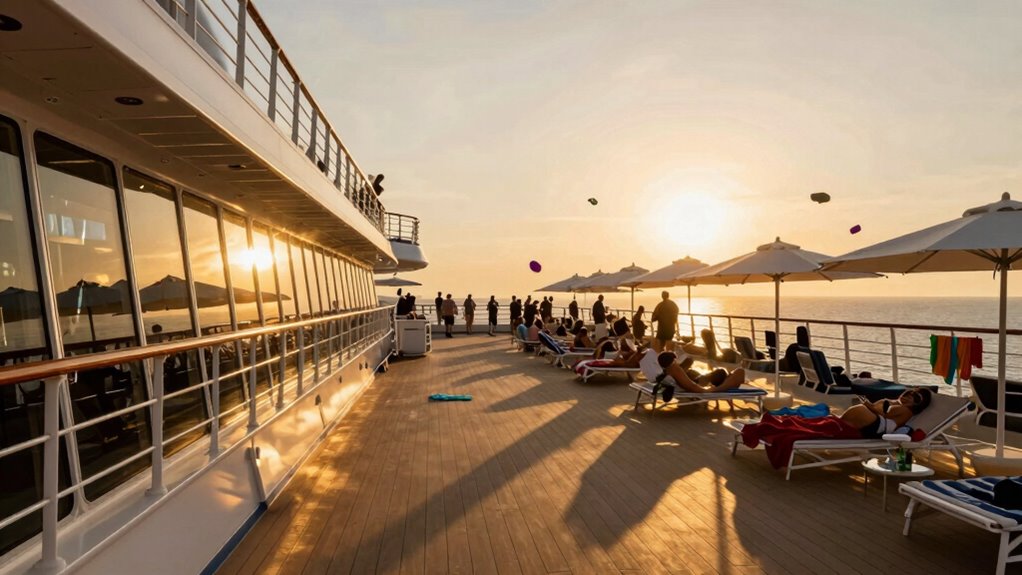
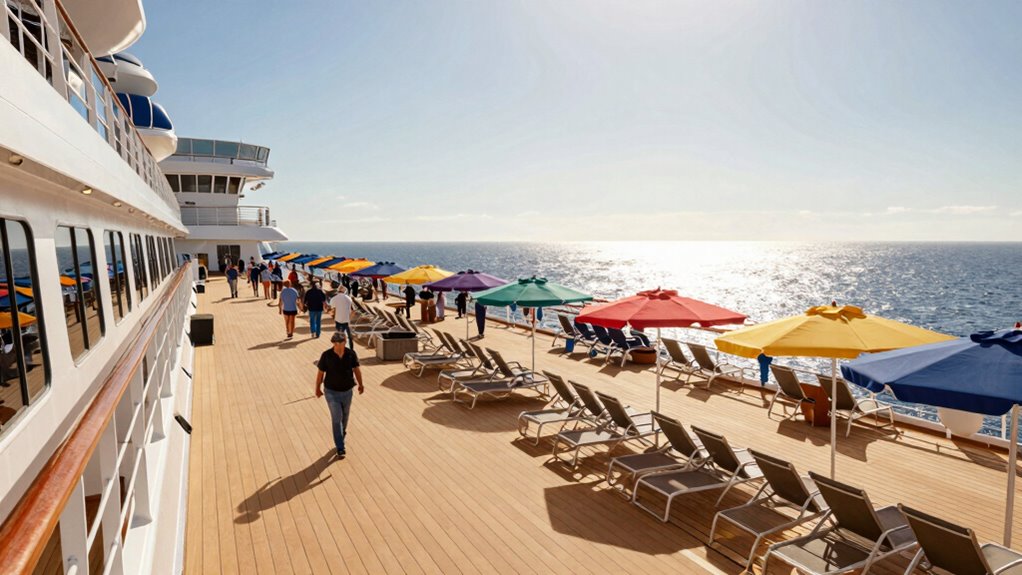
Even when a cruise ship isn’t at full capacity, it can still feel surprisingly crowded. The way the ship is designed plays a big role in how spacious or cramped it feels. The ship layout determines where people gather and how easily you can move around. If the common areas—like the pool deck, dining rooms, or theaters—are clustered in a few sections, those spots tend to get congested quickly, even if the overall passenger count is lower. This concentrated passenger distribution means you might find yourself waiting in lines or squeezing past others, despite the ship not being fully booked. Additionally, the passenger flow throughout the ship can significantly impact your perception of space and comfort. Passenger distribution is another key factor. Sometimes, travelers tend to stick to certain areas, creating pockets of high activity. For instance, if most guests prefer the upper decks or main dining venues, those zones become crowded, while other parts of the ship remain underutilized. This uneven distribution can make the ship feel busier than it actually is. You might notice this during peak meal times or at popular entertainment venues, where the crowd gathers densely. The more people congregate in the same spots, the more the overall feeling of crowding intensifies, regardless of the total number of passengers onboard. Additionally, ship layout and design can influence how well the space is utilized and how easily passengers can navigate, further affecting perceived crowding. A thoughtful ship design can help mitigate these issues by encouraging better distribution of passengers and amenities. Your personal experience is shaped by how well the ship’s layout accommodates passenger flow. A well-designed ship spreads out amenities and creates multiple access points, making navigation smoother and reducing bottlenecks. Conversely, a layout that funnels everyone into a few narrow corridors or central hubs can amplify the feeling of congestion. Even with fewer passengers on board, poor passenger distribution combined with a less efficient ship layout can make spaces feel crowded and uncomfortable. Proper passenger management strategies are essential to ensure a more comfortable experience for all onboard. That’s why, understanding how the ship is designed and where people tend to gather gives you a clearer picture of why some cruise ships seem crowded, even when they aren’t at capacity.
cruise ship passenger flow management tools
As an affiliate, we earn on qualifying purchases.
As an affiliate, we earn on qualifying purchases.
Frequently Asked Questions
How Do Ship Layout and Design Affect Perceived Crowding?
Your perception of crowding is heavily influenced by ship layout and design. Narrow ship circulation areas can cause congestion, making it feel crowded even if few passengers are onboard. Sightline obstructions, like walls or pillars, limit your view of open spaces, heightening the sense of crowding. Thoughtful design that promotes smooth circulation and unobstructed sightlines helps create a more spacious, comfortable environment, reducing the feeling of crowding onboard.
What Role Do Onboard Activities Play in Feelings of Congestion?
You might feel congestion because onboard activities influence passenger psychology and activity scheduling. When multiple events happen simultaneously, you perceive crowding, even if the ship isn’t full. Scheduled activities can create a sense of busyness, making spaces feel more crowded. The timing and variety of activities impact how you experience the ship, leading you to feel packed in, especially when you’re enthusiastic to participate or find quiet moments amid the bustling schedule.
How Does Passenger Behavior Influence the Perception of Crowding?
Your passenger behavior greatly influences how crowded a cruise ship feels. If you have high passenger expectations for privacy and space, you might perceive the ship as more crowded, especially during social interactions. On the other hand, engaging actively in social activities can make the environment feel lively rather than congested. Your choices, such as avoiding peak hours or quiet zones, shape your perception of crowding, regardless of the actual number of passengers onboard.
Are Certain Deck Areas More Prone to Feeling Crowded?
Some deck hotspots are more prone to ship congestion, making them feel insanely crowded even when the ship isn’t full. You’ll notice areas like the pool deck, buffet, and main promenade often get packed quickly. These spots attract passengers enthusiastic to relax, eat, or socialize, creating a perception of crowding. So, if you want to avoid feeling overwhelmed, steer clear of these busy zones during peak hours.
How Does the Timing of Activities Impact Perceived Crowd Levels?
The timing of activities considerably impacts how crowded you feel on a cruise. When activities are scheduled during peak hours, seating arrangements become limited, making spaces feel more crowded even if the ship isn’t full. To avoid this, plan your activity scheduling during off-peak times, allowing you to find more comfortable seating arrangements and enjoy a less congested experience. Being strategic about timing helps you enjoy your cruise more peacefully.
Conclusion
Next time you feel like the cruise is crowded despite the ship not being full, remember it’s all about perceived space and activity levels. Surprisingly, studies show that even with only 60% capacity, passenger density can feel much higher, making areas seem busier. So, it’s not just about the number of people onboard but how they’re spread out and engaged. Keep this in mind, and you’ll enjoy your voyage without feeling overwhelmed, even in seemingly crowded spots.
Fall Picks
fall essentials
As an affiliate, we earn on qualifying purchases.