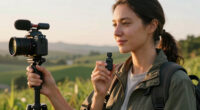
Using the right binocular magnification makes whale watching more comfortable and enjoyable. Higher magnification can narrow your field of view, making it harder to track fast-moving whales and causing shaky, blurry images. It can also lead to fatigue over time. Proper magnification provides clearer images, easier tracking, and less strain, allowing you to fully appreciate the marine life. Keep exploring to discover more tips for a better whale watching experience.

Get travel and outdoor gear delivered free with Prime
- Fast, free delivery on millions of items
- Prime Video, Amazon Music and more included
- Member-only deals all year
Key Takeaways
- Proper magnification balances clarity and ease of tracking moving whales, enhancing viewing comfort.
- Excessive magnification narrows the field of view, making it harder to observe and follow whales.
- Higher magnification can cause shaky images and fatigue, reducing overall enjoyment.
- The right magnification improves focus, detail, and situational awareness during whale watching.
- Optimal magnification complements optical quality and light transmission for clearer, brighter images.
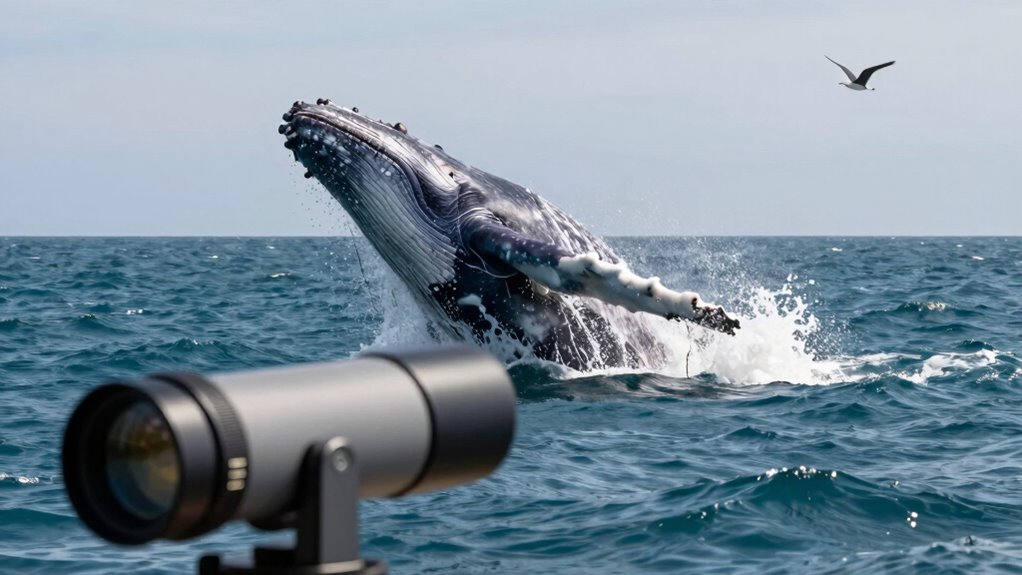
Have you ever tried whale watching only to find that the whales seem distant and hard to see clearly? It’s a frustrating experience, and many people assume that simply choosing the highest magnification will solve the problem. But that’s not always the case. When it comes to whale watching, the key isn’t just about picking the biggest number on your binoculars—it’s about selecting the right magnification that enhances your viewing comfort and clarity.
Your binocular selection plays a vital role here. Higher magnification might seem appealing, but it can actually make the viewing experience more difficult. The higher the magnification, the narrower your field of view, which means it’s harder to keep moving whales in focus. Additionally, higher zoom levels tend to amplify hand movements, so unless you have a steady hand or a tripod, your images can become shaky and blurry. This reduces your overall viewing comfort, making it more tiring and less enjoyable to observe the whales for an extended period. Choosing the appropriate magnification can significantly improve your experience and help you enjoy the marine life more fully. Being aware of visual clarity and how it affects your experience can help you make better choices when selecting binoculars for whale watching. Understanding optical quality can also make a significant difference in your overall viewing experience. Moreover, considering factors like light transmission can ensure brighter and clearer images in varying sea conditions.
best binoculars for whale watching
As an affiliate, we earn on qualifying purchases.
As an affiliate, we earn on qualifying purchases.
Frequently Asked Questions
How Do Different Magnifications Affect the Viewing Experience?
Different magnifications directly impact your viewing experience by affecting clarity and comfort. Higher magnifications can provide detailed views but often reduce image clarity and make viewing less comfortable over time. Lower magnifications offer broader, more stable views, enhancing your overall viewing comfort. The key is choosing a magnification that balances clarity and ease, giving you a satisfying whale-watching experience without straining your eyes.
Can the Wrong Magnification Harm Whale Behavior?
Using the wrong magnification can disturb whale behavior, potentially causing stress or displacement. When you choose inappropriate binoculars, you might unintentionally get too close or make loud noises, which can harm marine conservation efforts. To avoid this, always practice proper binocular maintenance and select the right magnification. This helps guarantee your whale watching remains respectful, minimizes disturbance, and supports the protection of these magnificent creatures.
What Is the Ideal Magnification Range for Whale Watching?
You should aim for a magnification range between 8x and 10x for whale watching. This range offers a good balance for viewing marine wildlife clearly without sacrificing binocular ergonomics or stability. Higher magnifications can be cumbersome and may disturb the animals, while lower ones might miss fine details. By choosing binoculars within this range, you enhance your experience while minimizing impact on marine wildlife.
Does Lens Quality Impact Image Clarity More Than Magnification?
You bet, lens quality impacts image clarity more than just magnification. A high-quality lens with good durability and image stabilization keeps your shots sharp, even in choppy conditions. While a powerful zoom helps, if your lens is shaky or struggles with clarity, your pictures suffer. Think of it as the foundation of a house—you need sturdy materials for the best results, regardless of how much you zoom in.
How Does Magnification Influence Safety During Whale Observation?
Magnification influences safety during whale observation by affecting your binocular stability, helping you maintain clear vision without straining or losing focus. Proper magnification guarantees you can safely track whales without overextending your view, reducing the risk of accidents on unstable boat decks. By observing marine ecosystems with stable, well-magnified binoculars, you stay alert and avoid sudden movements, keeping you safer while enjoying the experience.
Conclusion
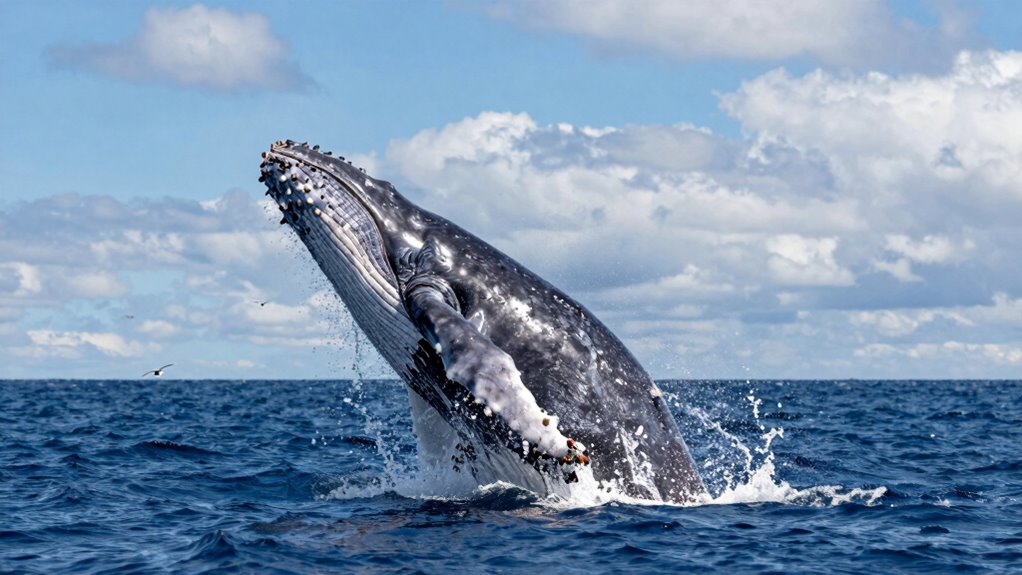
So, next time you’re tempted to grab the biggest, most expensive zoom lens, remember: bigger isn’t always better. Sometimes, it’s about finding that perfect sweet spot—just enough magnification to see the whales’ cheeky smiles without turning your trip into a gear obsession. After all, the real magic isn’t in the megapixels; it’s in the awe and giggles as those gentle giants breach nearby. Keep it simple, and enjoy the show—magnification is just a fancy way to say “look closer.”
Columbus Day / Indigenous Peoples' Day Picks
long weekend sales
As an affiliate, we earn on qualifying purchases.