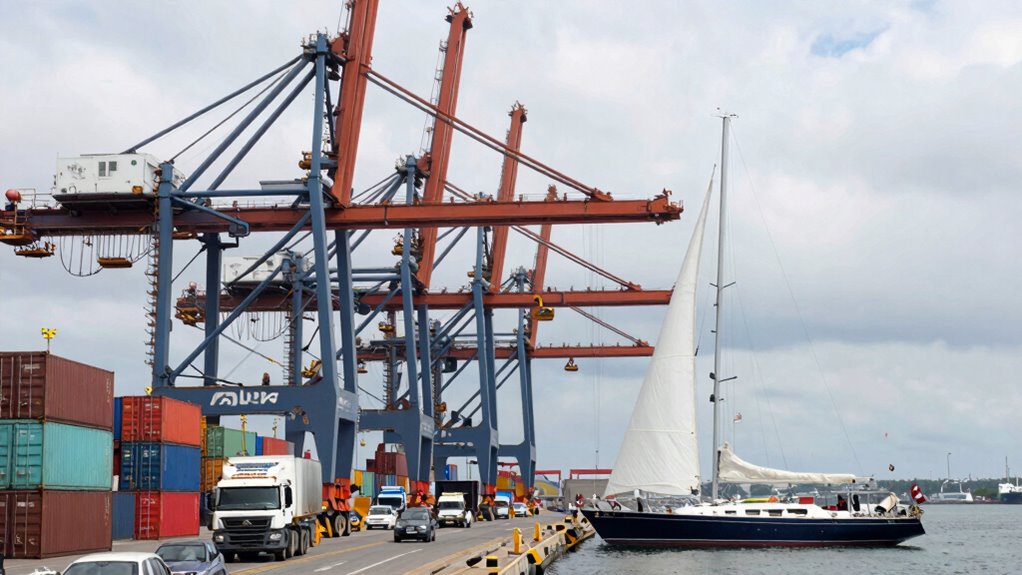

Port traffic congestion and limited pilot availability can seriously delay your vessel’s departure, ruining a well-planned sail-away. When ships pile up at docks, it causes backlogs and extended port stays, making it harder to stick to schedules. Pilot delays worsen these issues, leading to missed sailings and increased costs. Managing these challenges is essential for smooth sailing. Stay with us to understand how these problems impact your operations and what you can do about them.
Key Takeaways
- Port congestion delays vessel docking, risking missed sailings and disrupting scheduled departures.
- Limited pilot availability causes ships to wait offshore, increasing port stay and potential missed sail-aways.
- Cargo backlogs and vessel pile-ups worsen delays, impacting overall shipping schedules and reliability.
- Extended anchoring times due to pilot shortages hinder vessel movement and increase operational costs.
- Managing port traffic and pilot resources is crucial to ensure timely sail-aways and prevent supply chain disruptions.
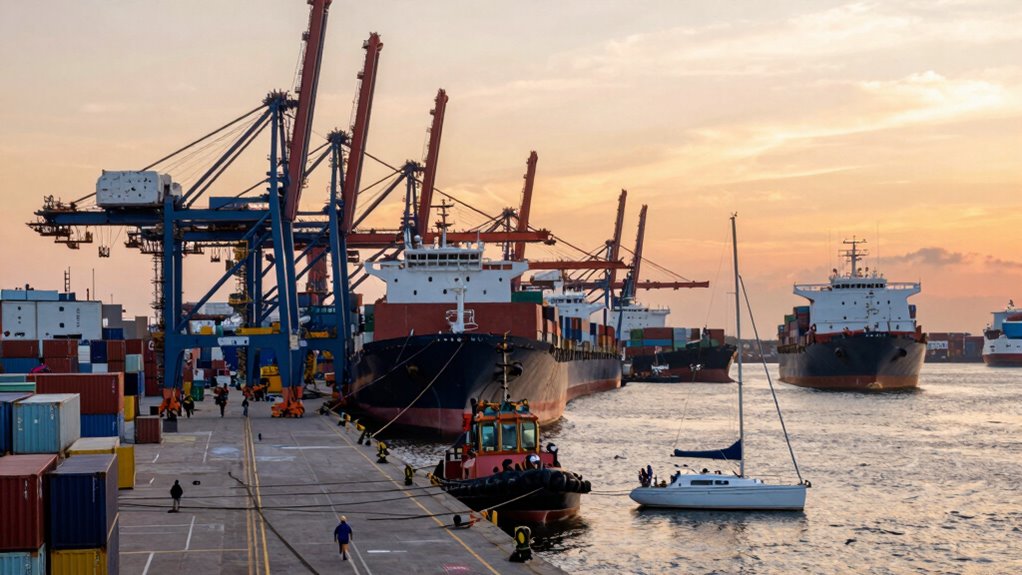
Ports worldwide are increasingly overwhelmed by rising shipping demands, leading to severe traffic congestion that disrupts supply chains. When ships pile up at the docks, cargo congestion becomes a major issue. Containers sit idle on ships or stacked on the pier, waiting for space to unload. This backlog delays deliveries, increases costs, and can even cause ships to miss scheduled departures. As a crew member or logistics manager, you’ll notice how this congestion creates a ripple effect, impacting everything from inventory levels to customer satisfaction. The longer ships remain stuck, the more frantic the scramble to clear the backlog, but without proper planning, it often worsens.
One vital factor that exacerbates port traffic problems is pilot availability. Pilots are essential for guiding vessels safely through busy port channels, especially in congested or tricky waters. When pilot services are limited or delayed, ships face significant challenges in maneuvering into berths on time. This delay compounds cargo congestion because vessels can’t dock quickly enough to unload their cargo. When pilots aren’t readily available, ships often get held offshore, waiting for their turn to berth, which prolongs port stay times and causes further congestion. You’ll find that pilot availability directly influences the efficiency of port operations. If pilots are overbooked or unavailable, it creates a bottleneck that can ripple through the entire shipping schedule, risking missed sailings and increased congestion. Improving pilot scheduling and resource management can significantly alleviate these issues.
The combination of cargo congestion and limited pilot availability can turn a smooth sailing operation into a logistical nightmare. When ships are delayed, their cargo holds fill up, and the entire port becomes a gridlock. As a port authority or captain, you might feel the pressure mounting as delays cascade through the supply chain. The longer ships remain anchored, the more difficult it becomes to prioritize arrivals and departures, especially during peak seasons. Pilot shortages or delays exacerbate this problem, making it harder to manage vessel movements efficiently. It’s a delicate balance—without enough pilots, ships can’t navigate port waters swiftly; without efficient cargo handling, ships stay longer and congestion worsens. Additionally, port congestion can lead to increased emissions and environmental impact due to ships idling longer than necessary. Addressing these issues requires not only operational adjustments but also a broader understanding of the importance of pilot availability in maintaining smooth port functions.
As an affiliate, we earn on qualifying purchases.
Frequently Asked Questions
How Can I Avoid Port Traffic Delays Entirely?
To avoid port traffic delays, plan your voyage during off-peak hours and choose less congested ports. Stay updated on maritime logistics and real-time port congestion reports to time your arrival better. Coordinate closely with your shipping or cruise line for ideal scheduling. Pre-arrange documentation and customs clearance to speed up processes. These steps help you bypass delays, ensuring a smoother, more enjoyable sail-away without unnecessary waiting.
What Are the Best Times to Sail to Minimize Congestion?
You should sail early in the morning or late in the evening to avoid maritime congestion and harbor bottlenecks. These off-peak times typically have fewer ships arriving or departing, reducing delays. Weekdays, especially midweek, tend to be less crowded than weekends. Check local port schedules and maritime traffic reports before setting sail to guarantee you’re choosing the most suitable time, helping you enjoy a smoother, more relaxed voyage.
Are There Alternative Ports With Less Traffic?
Yes, you can find alternative ports with less maritime congestion, especially smaller or less busy ones. These ports often have better port infrastructure to handle ships efficiently, reducing delays. By choosing such ports, you avoid congestion-related hassles and enjoy smoother sailing preparations. Researching regional port options and their traffic patterns helps you plan better, ensuring your sail-away remains enjoyable without the stress of overcrowded ports.
How Do Port Traffic Issues Affect Sailing Schedules?
Port traffic issues delay your sailing schedule, disrupt maritime regulations, and challenge cargo priorities. You might face long wait times, missed departure windows, and strained deadlines, making your plans less predictable. These congestion problems force you to adapt quickly, rescheduling or rerouting your voyage. Staying informed about port conditions and coordinating with port authorities helps you navigate these hurdles, but the impact on your overall schedule remains significant.
Can Real-Time Traffic Updates Help Plan My Departure?
Yes, real-time traffic updates can help you plan your departure more effectively. With maritime communication tools and congestion monitoring systems, you receive instant alerts about port congestion, allowing you to adjust your schedule accordingly. This proactive approach minimizes delays, guarantees smoother sailing, and helps you avoid the frustration of unexpected hold-ups. Staying informed through these technologies is essential for a timely and stress-free departure.
Conclusion
If you ignore the port traffic problem, it could be the one mistake that ruins your perfect sail-away. Imagine rushing to the dock only to be stuck in endless congestion, missing your departure time—and the adventure you’ve fervently anticipated. The true danger lies in overlooking these delays until it’s too late. Stay vigilant, plan ahead, and don’t let unseen traffic snarls turn your dream cruise into a stressful nightmare. The clock’s ticking—will you be ready?