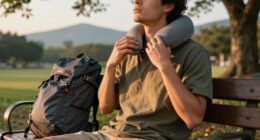


Chasing the perfect seat onboard drains your mental and physical energy more than you realize. You spend extra time comparing options, adjusting awkward postures, and negotiating social cues, all while feeling stressed and impatient. This effort leaves you fatigued even before the journey begins. Recognizing these hidden costs can help you make quicker, more mindful choices, conserving energy for what really matters. Keep exploring to discover how to avoid these unnecessary energy drains.
Open a free Amazon Business account
Business pricing, bulk buying and tax-exempt orders.
As an affiliate, we earn on qualifying purchases.
Key Takeaways
- Repeated seat adjustments and searches drain physical energy, leading to fatigue before the journey even begins.
- Social competition and unspoken cues increase mental stress, depleting cognitive resources needed for travel.
- The pursuit of the optimal seat often causes prolonged decision-making, heightening overall fatigue.
- Ergonomic challenges in seat choice contribute to postural strain and physical exhaustion during travel.
- Simplifying seat selection reduces mental and physical energy loss, conserving resources for the actual trip.
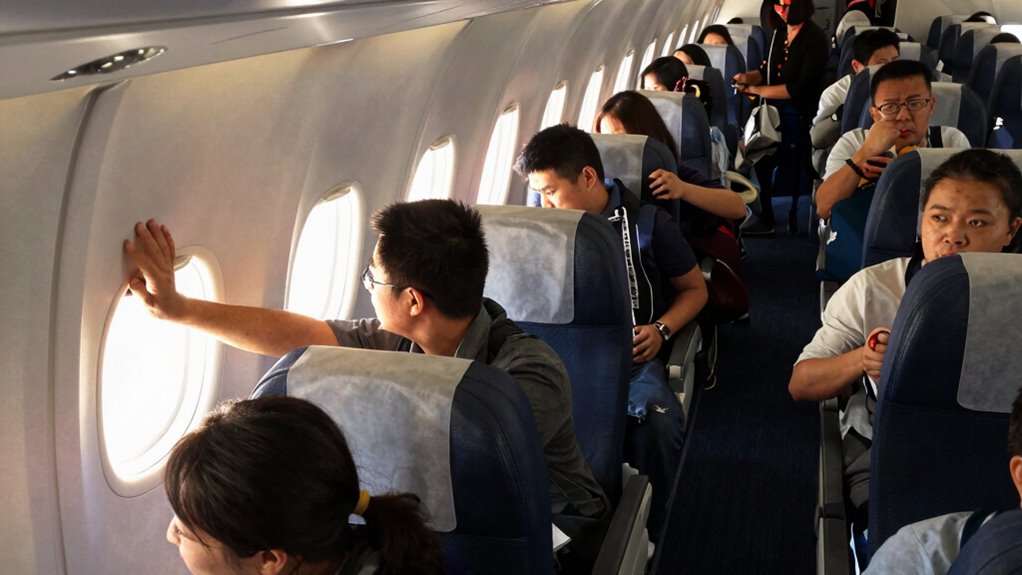
Have you ever noticed how much effort you put into finding the perfect seat on a plane or train, only to realize it’s costing you more energy than you expected? It might seem trivial at first—just choosing a spot that looks comfortable or offers a good view—but behind that simple act lies a web of ergonomic challenges and social dynamics that drain your stamina. You stretch, you shift, you compare options against others’ choices, all in pursuit of comfort. Yet, the process itself often becomes a source of fatigue, especially when you’re caught up in the unspoken competition for the best spot.
Ergonomic challenges play a considerably role here. You’re constantly balancing between seat comfort, personal space, and accessibility. The seat’s height, angle, and support can make or break your journey’s comfort, but these factors are often overlooked in the chase. You might spend extra minutes trying to find a spot that aligns with your body’s needs, only to realize that the effort leaves you tense and more tired than if you’d simply accepted a less-than-ideal seat from the start. Your body is forced to adapt to awkward postures, and the repeated adjustments take their toll, especially if you’re already tired or anxious about the trip. Recognizing ergonomic factors can help you make more mindful choices that reduce postural strain. Understanding how ergonomic design affects comfort can empower you to select seats that better support your body.
Balancing seat comfort, space, and accessibility can cause tension and fatigue during travel.
Meanwhile, social dynamics subtly influence your decision-making. You’re aware of others around you—each person vying for their own ideal spot. The unspoken competition can make you feel pressured to settle for less or to compete for that coveted window seat. You might find yourself subtly negotiating with fellow travelers or feeling the urge to stand your ground, which adds mental strain. Even the small social cues—someone’s glance or a hurried rush to claim a seat—can escalate your stress levels. This social tension drains your mental energy, making the entire process more exhausting than it appears.
All of this constant pursuit creates a cycle: you expend mental and physical energy in the effort to find the “best spot,” only to arrive more fatigued than if you’d chosen simply and quickly. The energy spent on this seemingly minor task adds up over the course of a journey, leaving you drained before the trip even begins. Recognizing these underlying factors can help you see that your quest for the perfect seat isn’t just about comfort; it’s a complex mix of ergonomic challenges and social dynamics that subtly, yet remarkably impact your energy levels. The next time you find yourself obsessing over the “best spot,” remember that easing this process can save you a lot of unnecessary fatigue. Being mindful of social dynamics and ergonomic factors can help you make quicker, less stressful decisions and conserve your energy for the journey ahead.
As an affiliate, we earn on qualifying purchases.
Frequently Asked Questions
How Does Movement Affect Energy Consumption During Travel?
Movement considerably impacts your energy consumption during travel. When your movement patterns are inefficient, like constantly shifting positions or making abrupt movements, your energy efficiency decreases. Steady, deliberate movements conserve energy, reducing overall consumption. By maintaining stable positions and minimizing unnecessary adjustments, you can optimize energy use, making your travel more efficient and less tiring. Small changes in how you move can make a big difference in your energy expenditure over time.
Are There Health Risks Associated With Constantly Repositioning?
Ever wondered if your frequent repositioning could harm your health? Constantly shifting seats can lead to posture strain and increase health anxiety, especially if you’re worried about discomfort or injury. Repositioning too often might also cause muscle fatigue or joint issues over time. To stay comfortable and safe, try to find a good spot and stay there when possible. Isn’t minimizing unnecessary movement better for your well-being?
Can Ergonomic Seating Reduce the Need to Chase the Best Spot?
Ergonomic seating can considerably reduce your need for frequent posture adjustments by providing better seat comfort and support. When your chair promotes proper posture, you’re less likely to seek out the “best spot” constantly. This minimizes unnecessary energy expenditure and strain. With ergonomic design, you stay comfortable longer, encouraging healthier sitting habits and reducing the fatigue associated with repetitive repositioning.
What Psychological Effects Come From Always Seeking the Optimal Position?
When you’re always seeking the best position, you might develop a perfection obsession, constantly aiming for an ideal that’s never fully attainable. This pursuit can lead to comfort compromise, as you prioritize perfection over genuine ease. Over time, it may trigger frustration, anxiety, or restlessness, making it harder to relax or focus. You become trapped in a cycle of endless adjustment, sacrificing true comfort for the illusion of perfection.
How Does the Environment Influence the Desire to Find the Best Spot?
Did you know that environmental cues influence up to 70% of your decision-making? They strongly shape your desire to find the best spot because psychological comfort depends heavily on surroundings. When your environment signals safety, status, or comfort, you’re more motivated to seek the ideal position. These cues create subconscious pressures, pushing you to chase the perfect spot, often at the expense of energy and peace of mind.
Conclusion
Next time you scramble for the perfect spot, remember it’s like chasing a mirage—you never really catch it, but you burn energy trying. Imagine a swimmer constantly adjusting their position, wasting effort each time they move just a little. Studies show this endless pursuit drains more energy than you’d think, leaving you exhausted before the day even begins. Sometimes, settling into your spot and relaxing saves more energy than the frantic chase.
Flea & tick season Picks
flea and tick prevention
As an affiliate, we earn on qualifying purchases.