
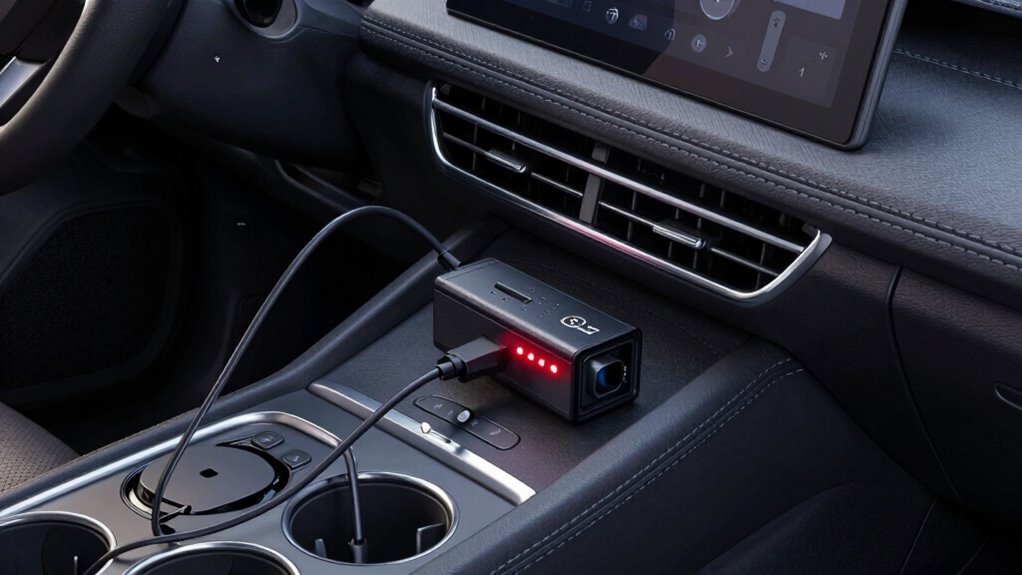

One common mistake new travelers make is using an inverter that doesn’t match their vehicle’s electrical capacity, which can quickly drain your battery or cause damage. Overloading the inverter can lead to overheating or electrical failures, leaving you stranded or needing costly repairs. Always check your car’s electrical limits and select an inverter rated appropriately to prevent issues. If you keep these tips in mind, you’ll understand how to avoid common pitfalls and stay safe on the road.

Get travel and outdoor gear delivered free with Prime
- Fast, free delivery on millions of items
- Prime Video, Amazon Music and more included
- Member-only deals all year
Key Takeaways
- Using an inverter with insufficient wattage can overload and trip the vehicle’s electrical system.
- Overloading the inverter or connecting too many devices exceeds vehicle capacity, causing electrical trips.
- Failing to verify inverter compatibility with your vehicle’s electrical limits risks system shutdowns.
- Ignoring inverter capacity and vehicle limits can lead to frequent trips and potential damage.
- Not performing regular inspections increases the risk of unnoticed electrical overloads and trips.
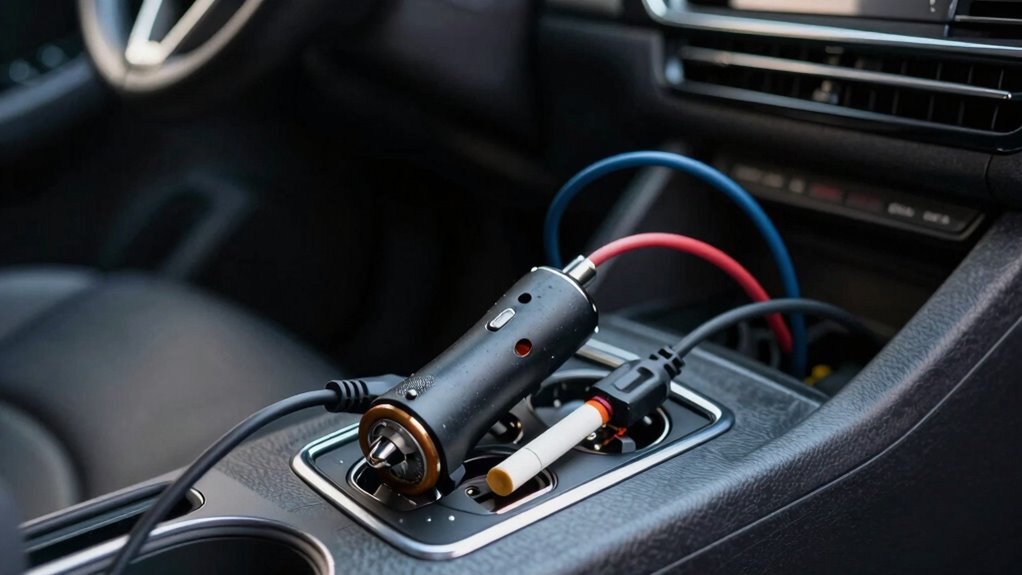
Using a car power inverter might seem like a simple way to charge your devices on the go, but making the wrong choice can lead to costly mistakes. One of the most common errors new travelers make is overlooking the importance of battery safety. When you connect your devices without considering the inverter’s capacity or your vehicle’s electrical system, you risk draining your car’s battery or, worse, damaging it. If your battery isn’t designed to support high loads, you could end up with a dead battery, leaving you stranded. Always check the inverter’s wattage and verify it matches your vehicle’s power output. Avoid overloading the system, which can cause overheating or permanent damage. Remember, a small, portable inverter might seem convenient, but if it’s not rated properly, it can jeopardize your vehicle’s electrical health. Additionally, understanding the vehicle’s electrical limits can help prevent electrical system damage, especially if you’re not familiar with vehicle electrical capacity. Knowing the correct inverter size for your vehicle can help ensure safe and reliable usage. Performing regular inspections can also help identify potential issues before they become serious electrical hazards.
As an affiliate, we earn on qualifying purchases.
Frequently Asked Questions
Can a Car Inverter Overload Easily?
Yes, a car inverter can overload easily if you’re not careful. When you connect too many devices or high-wattage appliances, it can cause a power surge, risking damage to the inverter. This overload can also drain your car battery quickly, especially during extended use. To avoid this, always check your inverter’s wattage limits and avoid exceeding them, and be mindful of your battery drain to prevent getting stranded.
Do Inverters Work With All Vehicle Types?
Inverters don’t work with all vehicle types equally well; vehicle compatibility depends on your car’s electrical system and power capacity. Before inverter installation, check your vehicle’s specifications to confirm it can handle the inverter’s wattage. Some vehicles, especially older or smaller models, might require special adapters or modifications. Always verify compatibility to avoid issues like overloads or damage, guaranteeing a smooth and safe inverter setup.
How Long Can I Run Devices on a Car Inverter?
You can run your devices for hours, even days, if your vehicle’s battery capacity and power efficiency are high. However, pushing it too long risks draining your battery completely or causing damage. Smaller inverters draw less power, letting you use devices longer, but always keep an eye on your battery level. To avoid surprises, monitor your inverter’s load and your vehicle’s energy reserves continuously.
Is There a Safety Risk Using High-Wattage Devices?
Yes, using high-wattage devices can pose safety risks if you’re not cautious. To protect your battery safety, guarantee your inverter has surge protection, which prevents power spikes from damaging your device or car. Overloading or using devices beyond the inverter’s capacity can cause overheating or even fire. Always check the wattage ratings and avoid pushing your inverter beyond its limits to keep yourself and your gear safe.
What Maintenance Is Needed for a Car Inverter?
You should regularly check your car inverter’s maintenance by monitoring its battery lifespan and ensuring proper cooling requirements. Keep the inverter clean and free from dust or debris that can hinder cooling. Avoid overloading it, which can cause overheating and reduce battery life. Also, inspect connections for corrosion or loose wires. Proper maintenance keeps your inverter running efficiently, prevents damage, and extends its lifespan, ensuring reliable power whenever you need it.
Conclusion
So, next time you plug in your car inverter, remember that a small mistake can be like a tiny spark igniting a bigger problem—much like a single misstep can cause a domino effect. I once saw a fellow traveler blow a fuse because he overloaded his inverter, turning a smooth trip into a roadside repair. Stay mindful of your power limits, and you’ll keep your journey running smoothly, avoiding unexpected trips to the repair shop.
Halloween Picks
halloween
As an affiliate, we earn on qualifying purchases.