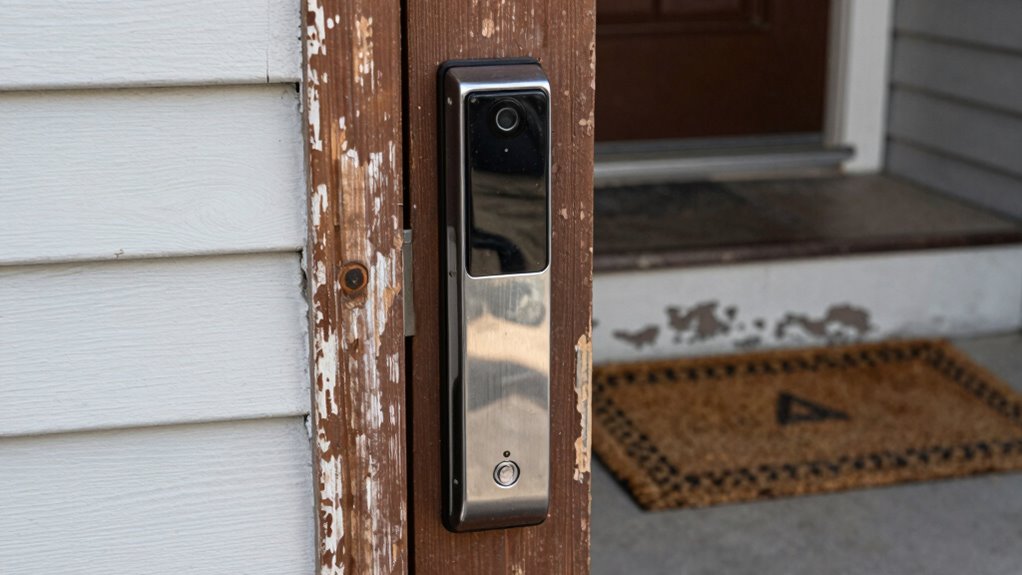

Fingerprint locks might seem like a high-tech solution, but environmental factors like cold, moisture, or injuries can cause them to malfunction, locking you out or reducing security. Compatibility issues with existing systems and cybersecurity vulnerabilities pose additional risks. Maintenance and installation can be complex and costly, especially as technology evolves. Plus, biometric data isn’t easily replaced if compromised. Understanding these limitations can help you decide if a fingerprint lock suits your needs, and there’s more to weigh if you keep exploring.

Get travel and outdoor gear delivered free — and shop member deals
- Fast, free delivery on millions of items
- Access to Prime Big Deal Days deals on October 6–7
- Prime Video, Amazon Music and more included
Key Takeaways
- Sensor inaccuracies due to dirt, damage, or environmental conditions can cause lockouts or malfunctions.
- Compatibility issues with existing smart home systems may require costly upgrades.
- Biometric data theft or cloning poses significant privacy and security risks.
- Regular maintenance and professional installation increase overall complexity and expense.
- Evolving technology may introduce new vulnerabilities, making biometric locks less future-proof.
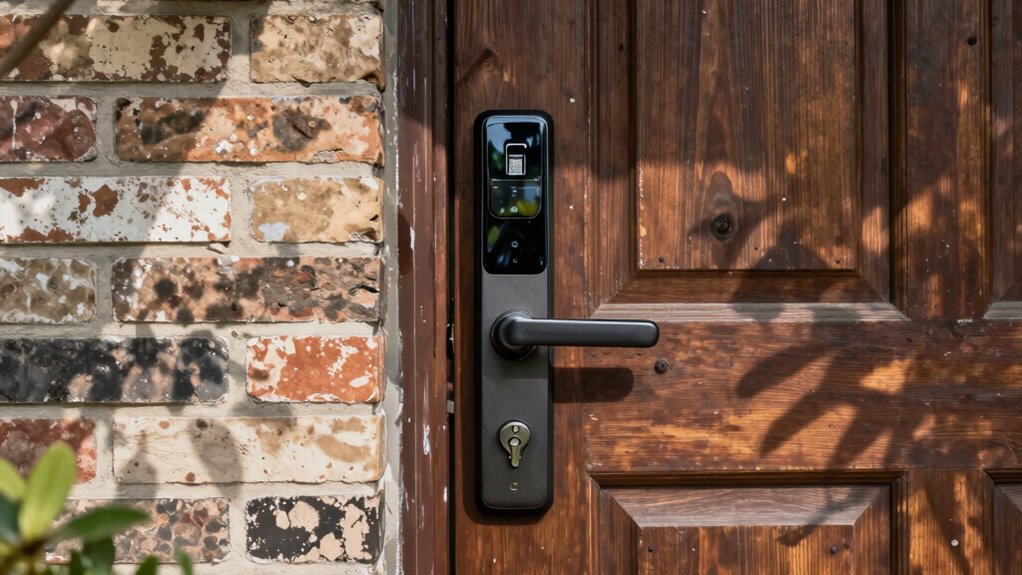
One major consideration is the reliability of biometric security. Fingerprint scanners depend on the accuracy of sensors and the quality of stored data. If your fingerprints become smudged or damaged—think of rainy days or your fingers being dirty—the lock might fail to recognize you, locking you out. Additionally, certain conditions, like injuries or skin changes, can interfere with fingerprint recognition. This unpredictability can undermine the convenience that makes these locks appealing in the first place. Furthermore, environmental factors such as extreme cold or moisture can impair sensor performance, leading to malfunctions.
Biometric reliability issues can cause lockouts during bad weather or skin changes, reducing convenience and security.
Smart home integration is another factor to weigh. While many fingerprint locks connect with home automation systems, compatibility isn’t universal. If your existing smart home setup isn’t compatible, you might need additional equipment or upgrades, which can be costly and complex. Also, not all smart locks offer the same level of cybersecurity. If the system isn’t properly secured, hackers could potentially bypass biometric security or exploit vulnerabilities in the connected network. This risk emphasizes that, despite the modern technology, no security system is entirely foolproof.
Environmental factors also play a role. Outdoor conditions—such as extreme cold, heat, or moisture—can affect the functionality of fingerprint scanners. In harsh weather, sensors might misread or fail to recognize fingerprints altogether. If you live in an area with fluctuating weather, this can lead to frustrating lockouts or malfunctions. Moreover, some homeowners worry about the permanence of biometric data. Unlike keys, which can be easily replaced if lost, biometric data is tied to your body and can’t be changed. If someone manages to clone or steal your fingerprint data, it raises privacy and security concerns. It’s also important to note that biometric data security can be compromised if not properly managed, adding another layer of risk. Additionally, the cost of upgrades for compatibility or technology improvements can be significant, which is worth considering when evaluating your options. A further concern is that biometric technology is still evolving, and vulnerabilities may be discovered over time.
Finally, installation and maintenance shouldn’t be overlooked. Fingerprint locks can be more complicated to install than traditional locks and may require professional setup. Regular maintenance and updates are necessary to keep the system secure and functional. If you prefer a low-maintenance, straightforward locking solution, a traditional or keypad lock might serve you better. Additionally, understanding the security vulnerabilities associated with biometric systems can help you make a more informed decision.
As an affiliate, we earn on qualifying purchases.
Frequently Asked Questions
Are Fingerprint Locks Weather-Resistant for Outdoor Use?
Fingerprint locks vary in weather resistance, so their outdoor suitability depends on the model. Some are designed with weather durability in mind, featuring sealed components and corrosion-resistant materials, making them suitable for outdoor use. However, not all fingerprint locks withstand harsh weather conditions like rain, snow, or extreme heat. Always check the manufacturer’s specifications to confirm the lock you choose is weather-resistant and suitable for outdoor environments.
Do Fingerprint Locks Require Regular Maintenance or Calibration?
Fingerprint locks do require regular maintenance and calibration to uphold biometric accuracy. Over time, sensor durability can decline due to dirt, moisture, or wear, affecting fingerprint recognition. You should clean the sensor regularly and recalibrate the system as recommended by the manufacturer, especially after weather exposure or frequent use. This guarantees the lock functions smoothly, maintaining security and biometric accuracy for reliable access.
Can Fingerprint Data Be Hacked or Stolen?
Yes, fingerprint data can be hacked or stolen, posing concerns about biometric privacy. Hackers target vulnerabilities in fingerprint lock systems through hacking vulnerabilities, potentially gaining unauthorized access. While most modern locks encrypt your biometric data, breaches still happen, making it crucial to choose reputable brands with strong security measures. Always stay alert for updates and protections to minimize risks associated with biometric privacy and hacking vulnerabilities.
Are Fingerprint Locks Suitable for Elderly or Disabled Users?
Fingerprint locks may not be ideal for elderly or disabled users due to accessibility challenges and user familiarity. If manual dexterity or hand strength is limited, using fingerprint scanners can be frustrating or unreliable. You might find traditional keys or keypad locks easier to operate, as they don’t depend on precise finger placement or technology familiarity. Consider the user’s comfort and ease of use before choosing a fingerprint lock for those with accessibility issues.
What Is the Typical Lifespan of a Fingerprint Lock?
The typical lifespan of a fingerprint lock is around 5 to 10 years, though biometric authentication technology can sometimes wear out sooner. You might think these locks last longer, but frequent use and security vulnerabilities can shorten their durability. Over time, sensors may become less accurate, and hardware can fail. Regular maintenance helps, but be prepared for eventual replacement to guarantee continued security and reliable biometric authentication.
Conclusion
While fingerprint locks offer convenience and a modern touch, they aren’t always the best choice for every front door. Think about your specific needs—security, ease of use, or potential tech issues. Sometimes, traditional locks or keypads might serve you better, especially in case of power outages or malfunctions. By weighing these factors, you’ll find the right balance for your home’s safety and convenience, rather than following the latest trend blindly.
Fall Picks
fall essentials
As an affiliate, we earn on qualifying purchases.