
After a sea day, you might still feel exhausted because your body and mind need time to recover from physical and mental fatigue. Activities like spa visits, sightseeing, or nonstop entertainment drain your energy, while changes in environment and disrupted sleep schedules add to the tiredness. Even relaxation can’t fully undo the effects if you don’t give yourself proper rest. If you want to understand how to bounce back faster, you’ll find helpful insights ahead.

Get travel and outdoor gear delivered free with Prime
- Fast, free delivery on millions of items
- Prime Video, Amazon Music and more included
- Member-only deals all year
Key Takeaways
- Physical fatigue from extended activities, environment shifts, and overindulgence can persist after sea days.
- Disrupted sleep schedules and mental exhaustion require recovery time even on calmer sea days.
- Dehydration and digestive discomfort from rich foods and alcohol contribute to lingering tiredness.
- Environmental changes and new surroundings can cause ongoing physical and mental stress.
- Individual differences in energy levels and self-awareness influence the need for additional rest after sea days.

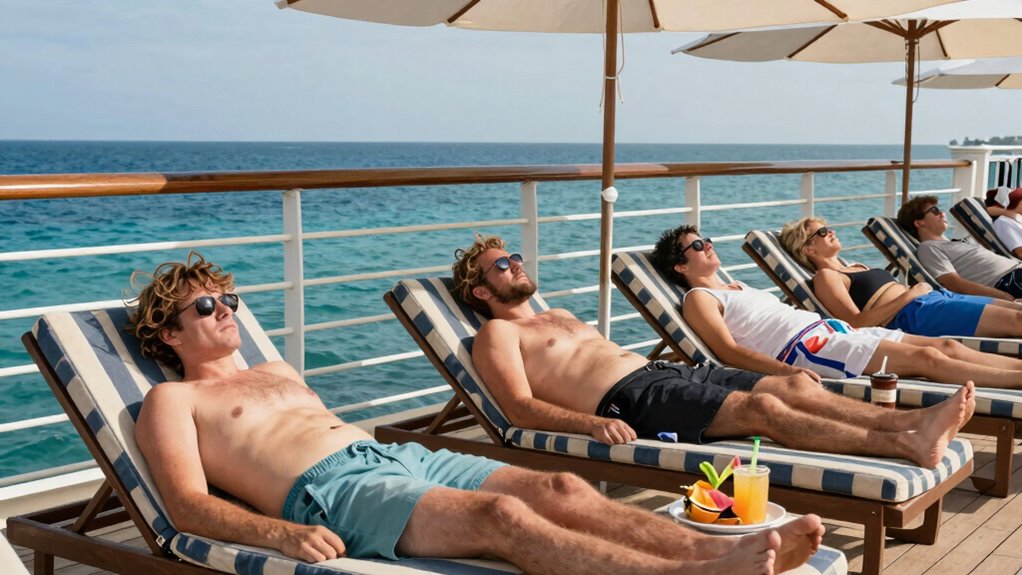
After a few days at sea, you might assume you’ll be fully refreshed, but for some travelers, the journey can actually be more tiring than relaxing. Even with the best intentions, the changeover from land to ship isn’t always smooth. You might find yourself feeling drained despite the ship’s amenities designed to make your stay comfortable. The ship amenities—luxurious pools, spas, fitness centers, and entertainment options—are tempting, but they can also contribute to fatigue if you overindulge or don’t pace yourself. Spending hours in the sun or engaging in nonstop activities can leave you physically exhausted, and the constant shift in environment may unsettle your routine, making recovery more difficult.
A few days at sea can leave you more tired than refreshed despite luxurious amenities and endless activities.
One overlooked factor is dietary adjustments. While the ship offers a variety of dining options, the rich cuisine, unfamiliar ingredients, and larger portion sizes can challenge your digestive system. If you’re not accustomed to the ship’s food offerings or if you indulge more than usual, you might experience bloating, discomfort, or sluggishness. These issues can sap your energy and make you feel more tired than you anticipated. It’s important to listen to your body and make mindful dietary choices, balancing indulgence with lighter, nutritious meals. Hydration is equally crucial—alcoholic beverages and salty foods can increase dehydration, further draining your energy and delaying recovery.
Beyond physical factors, the mental toll of constant activity and unfamiliar surroundings can also wear you down. Even with beautiful vistas and exciting excursions, your mind may need time to process everything, especially if you’re someone who thrives on routine. The disruption to your normal sleep schedule, due to late-night entertainment or different time zones, can also contribute to fatigue. You might wake up feeling more tired than when you went to bed, requiring extra rest to reset. Recognizing that your body needs time to recover is key. It’s not just about sleeping more but also about giving yourself space to unwind and adjust. Incorporating periods of rest, staying hydrated, and choosing ship amenities that promote relaxation rather than overstimulation are essential steps—especially since physical fatigue can be compounded by the novelty of the environment. Understanding how environmental changes impact your energy levels can help you better prepare and adapt during your cruise. Being mindful of your body’s signals and pacing yourself can prevent burnout. Additionally, understanding how individual differences influence recovery can help tailor your rest periods for optimal rejuvenation. Taking a break from constant activity allows your body and mind to recalibrate, so you can fully enjoy the rest of your cruise without lingering exhaustion. Recognizing and respecting your individual limits is crucial for maintaining your overall well-being while at sea. Remember, even the most enjoyable journeys sometimes require some downtime, especially after a few days at sea.
Products Worth Considering

DJI Osmo Mobile 8 Standard Combo Phone Gimbal Stabilizer
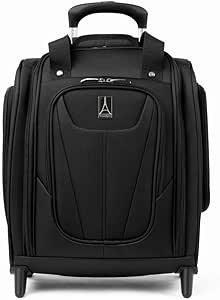
Travelpro Maxlite 5 Softside Underseat Carry-On, Black, 15-Inch

Samsonite Underseat Carry-On Spinner with USB Port, Jet Black
As an affiliate, we earn on qualifying purchases.
Frequently Asked Questions
How Can I Tell if I Need Recovery Time After a Cruise?
You’ll need recovery time if you feel unusually tired, achy, or mentally drained after your cruise. Pay attention to signs like disrupted sleep or digestive issues, which indicate you should adjust your diet and try better sleep strategies. If you notice lingering fatigue or discomfort, give yourself time to rest and hydrate, allowing your body to recover fully from the physical and mental demands of the trip.
Are There Specific Health Conditions That Increase Recovery Needs?
If you have chronic illnesses or immune deficiencies, your recovery needs are higher. These conditions can weaken your body, making it harder to bounce back from the physical and mental toll of a cruise. Chronic illnesses, immune deficiencies, and similar health issues all increase your vulnerability to fatigue, stress, and illness. As a result, you may require extra rest and recovery time to regain your energy and stay healthy after your journey.
What Are Quick Tips to Recover Faster After Sea Days?
To recover faster after sea days, focus on hydration strategies by drinking plenty of water to combat fatigue and dehydration. Prioritize sleep optimization by creating a relaxing bedtime routine and limiting screen time before bed. Incorporate light stretching or gentle exercise to boost circulation. Eating nutritious meals also helps restore energy levels. These steps help your body recover more quickly, so you can enjoy your cruise to the fullest.
How Does Age Affect Recovery Time Post-Cruise?
Aging effects can slow your recovery time post-cruise because your body takes longer to bounce back. As you age, your immune system and energy levels may decline, making it harder to recover quickly. To counter this, incorporate wellness strategies like staying hydrated, getting enough sleep, and gentle exercise. These steps help boost your resilience and speed up recovery, regardless of age, so you feel better sooner after your cruise.
Can Certain Activities During the Cruise Impact Recovery Duration?
Certain activities during your cruise can impact your recovery time. If you indulge in rich foods without diet adjustments, it may cause fatigue or digestive issues later. Similarly, neglecting sleep optimization by staying up late or crossing time zones can leave you exhausted. To recover faster, balance your activities with healthy diet choices and prioritize quality sleep. This helps your body reset and reduces post-cruise fatigue.
Conclusion
So, don’t dismiss the depths of sea days or underestimate their drain. Your body battles the boat’s bounce, the boundless buffet, and the bustling buzz. After all, even the most adventurous need a moment to mend, to mellow, to regain. Respect the rhythm of relaxation, and give yourself grace. A gentle, grounding getaway guarantees you’ll return rejuvenated, ready for the next adventure, and enthusiastic to embrace every exciting embrace of your cruise journey.