
You need to prioritize safety with inversion tables because neglecting proper maintenance or setup can lead to serious accidents or injuries. Parts can loosen, wear out, or break over time, which might compromise stability and support. Ensuring correct ergonomic adjustments and regular safety checks helps prevent strain and unexpected failures. Most buyers overlook these needs, but staying vigilant is essential. Keep an eye on these details, and you’ll discover more tips to make your inversion experience safer.

Get travel and outdoor gear delivered free — and shop member deals
- Fast, free delivery on millions of items
- Access to Prime Big Deal Days deals on October 6–7
- Prime Video, Amazon Music and more included
Key Takeaways
- Inversion tables can develop hidden wear and damage that compromise safety if not regularly inspected and maintained.
- Improper setup or ergonomic adjustments increase injury risk during use.
- Overlooking routine safety checks may lead to device failure and accidents.
- Neglecting maintenance reduces effectiveness and can cause unexpected breakdowns.
- User awareness of proper operation and device condition is essential for safe inversion sessions.
Using an inversion table can be be a great way to relieve back pain and improve circulation, but it’s vital to prioritize safety. Many buyers assume that simply purchasing the device guarantees safe use, but neglecting proper maintenance and user ergonomics can lead to serious injuries. Before you start, take the time to understand how to keep your inversion table in top condition and how to set it up correctly for your body.
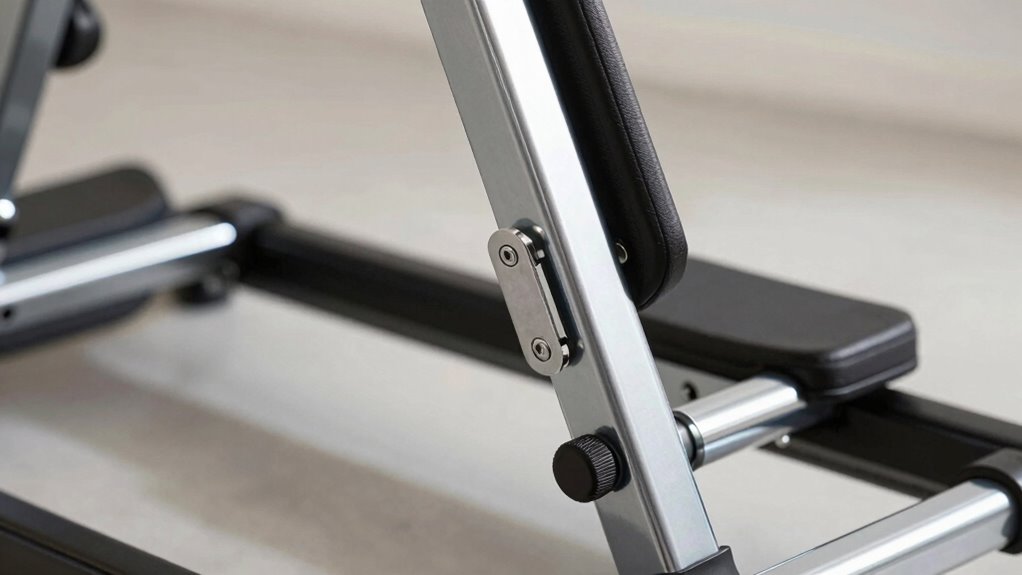
Proper maintenance is essential for safety. Over time, parts may loosen, wear out, or become damaged, which can compromise the stability of the table. Regularly inspect the frame, joints, and locking mechanisms, ensuring they function smoothly and securely. Lubricate moving parts if recommended by the manufacturer, and always tighten bolts and screws as needed. Also, keep the surface clean to prevent slipping. Neglecting maintenance doesn’t just diminish the effectiveness of your inversion sessions; it greatly increases the risk of accidents. A well-maintained inversion table provides reliable support, so never overlook routine checks. Understanding device longevity can help you identify when replacements or repairs are necessary to maintain safety. Additionally, understanding how wear and tear affects the device can help prevent unexpected failures. Incorporating manufacturer guidelines into your routine can further ensure safe and optimal use. Being aware of proper inspection techniques can help you catch issues early before they escalate.
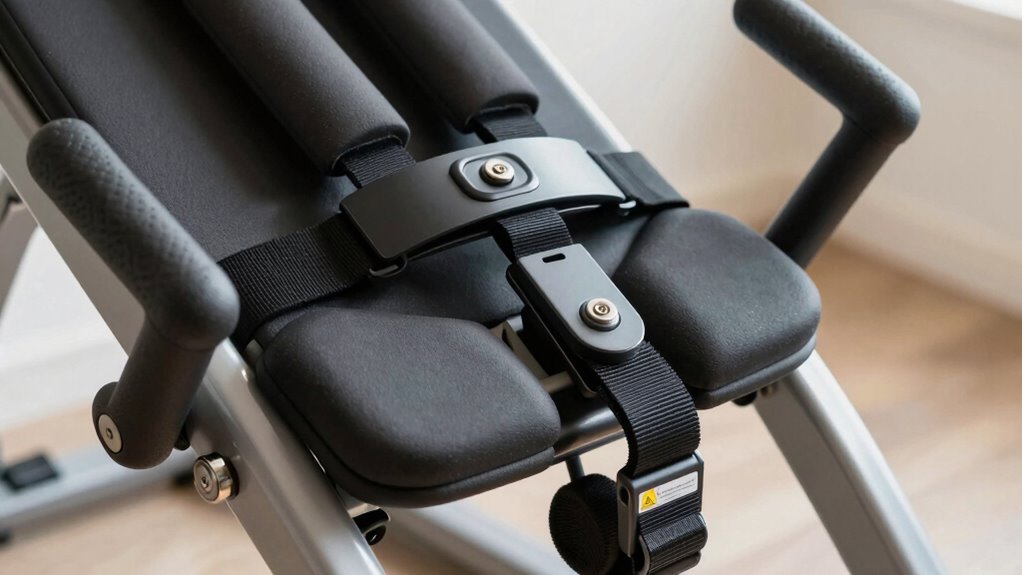
User ergonomics is equally vital. Every body is different, and improper setup can lead to discomfort or injury. Adjust the height settings precisely according to your body measurements, making sure your hips align with the ankle supports. Pay attention to the ankle locks and padded supports, making sure they fit snugly without causing pinching or excessive pressure. When mounting and dismounting, do so slowly and carefully, maintaining control to prevent falls. The goal is to position yourself comfortably and securely to avoid unnecessary strain on your neck, back, or joints. Proper ergonomics also involves listening to your body; don’t push into positions that cause pain or discomfort. Instead, start with gentle angles and gradually increase as you become more familiar with your device and your own limits. Additionally, regular safety checks are key to ensuring ongoing secure use and preventing potential accidents.
As an affiliate, we earn on qualifying purchases.
Frequently Asked Questions
How Often Should I Inspect My Inversion Table for Safety Issues?
You should inspect your inversion table before each use, focusing on safety issues like loose bolts or worn parts. Regular maintenance tips include checking the pivot points and safety straps, ensuring everything functions correctly. Proper user training helps you recognize potential hazards early. By staying vigilant and performing these inspections frequently, you reduce risks and keep your inversion table safe, extending its lifespan and ensuring safer, more effective use.
What Are the Signs of a Faulty Inversion Table?
You’ll notice signs of a faulty inversion table if it wobbles or feels unstable during inversion therapy, or if the safety features, like locks and straps, don’t engage properly. Look for frayed cables, loose bolts, or cracks in the frame. If the table makes strange noises or the safety lock doesn’t hold securely, stop using it immediately. Regular inspections help guarantee your inversion therapy remains safe and effective.
Can Children Safely Use Inversion Tables?
Children shouldn’t use inversion tables without strict child supervision, as their safety isn’t guaranteed. Inversion tables have specific weight limits that are often exceeded by kids, increasing risk. Even with supervision, it’s best to avoid letting children use inversion tables altogether, because their bodies react differently to inversion. Always prioritize safety, follow all manufacturer instructions, and never assume inversion tables are suitable for kids, regardless of supervision.
Are There Specific Medical Conditions That Contraindicate Inversion Table Use?
Yes, certain medical restrictions and contraindicated conditions prevent you from safely using inversion tables. If you have high blood pressure, heart disease, glaucoma, or hernias, inversion therapy could worsen your condition. Always consult your healthcare provider before use, especially if you’re pregnant or have neurological issues. Ignoring these contraindicated conditions increases your risk of injury or health complications, so safety should always come first.
How Do I Properly Store My Inversion Table to Prevent Accidents?
Storing your inversion table properly is vital for safety. Experts suggest you choose a storage location that’s dry, flat, and away from children or pets. Using proper equipment like wall mounts or sturdy racks can prevent accidents and damage. Always lock or fold the table when not in use, and make sure it’s stored upright or flat to avoid tipping over. Proper storage keeps your space safe and prolongs your inversion table’s lifespan.
Conclusion
Remember, inversion tables aren’t just any piece of equipment—they’re a potential rollercoaster of safety risks if not used properly. Your well-being hinges on following safety tips diligently; otherwise, you might face injuries worse than a stunt gone wrong. Always prioritize your safety like a treasure, because ignoring precautions could turn a relaxing inversion into a nightmare. Stay vigilant, stay safe, and don’t let carelessness turn your health boost into a disaster!
Fall Picks
fall essentials
As an affiliate, we earn on qualifying purchases.