

To recover quickly from a red-eye flight, maximize rest with blackout curtains or an eye mask, and stay comfortable with neck pillows or blankets. Hydrate immediately after landing with plenty of water or electrolyte drinks, avoiding alcohol and caffeine. Short naps of 20-30 minutes can refresh you without messing up your sleep cycle. Adjust your sleep schedule to local time and incorporate calming activities. Keep these tips in mind, and you’ll soon feel energized for your cruise adventure.

Get travel and outdoor gear delivered free with Prime
- Fast, free delivery on millions of items
- Prime Video, Amazon Music and more included
- Member-only deals all year
Key Takeaways
- Use blackout curtains or eye masks to improve sleep quality during rest periods on the flight or after landing.
- Stay well-hydrated with water and electrolyte drinks to combat dehydration and jet lag symptoms.
- Take short naps (20-30 minutes) to refresh without disrupting your sleep cycle.
- Adjust your sleep routine to the local time zone quickly to minimize jet lag effects.
- Incorporate calming activities and avoid caffeine or screens before sleep for better recovery.

After a red-eye flight, your body often feels exhausted and out of sync, especially when you’re enthusiastic to start a cruise adventure. The fatigue can weigh you down and make it tough to hit the ground running. Luckily, adopting a few simple strategies can help you recover faster and enjoy your trip from the moment you step onboard.
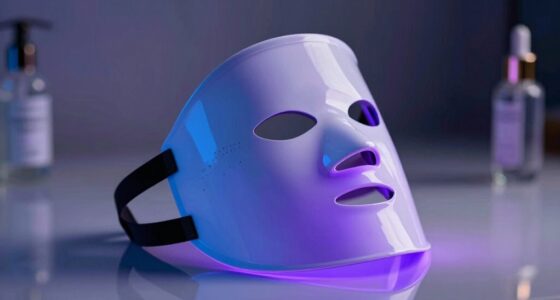
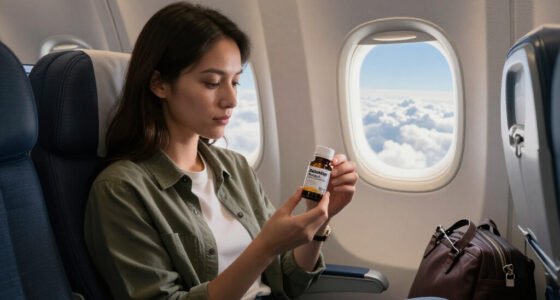
First, focus on sleep strategies that maximize your rest. Even if you didn’t sleep well during the flight, try to get some quality sleep as soon as possible once you arrive. Use blackout curtains or an eye mask to block out light, and bring a neck pillow or travel blanket to make resting more comfortable. If you’re feeling jet-lagged, consider taking short naps throughout the day—20 to 30 minutes should refresh you without making it harder to sleep later. Establishing a sleep routine aligned with the local time zone can also help your body adjust quicker. If you’re feeling wired, avoid caffeine and electronic screens before bedtime; instead, opt for calming activities like listening to soothing music or practicing deep breathing exercises. Incorporating proper sleep techniques can further enhance your jet lag recovery.
Prioritize sleep with blackout curtains, short naps, and calming activities to recover faster after a red-eye flight.
Hydration plays an essential role in recovering from a red-eye flight. Airplane cabins are notoriously dry, which leads to dehydration and worsens fatigue. As soon as you land, drink plenty of water to replenish lost fluids. Incorporate electrolyte drinks or coconut water if you’ve been feeling particularly drained, as they help restore your body’s mineral balance. Avoid alcohol and excessive caffeine—they can dehydrate you further and disrupt your sleep cycle. Staying well-hydrated also helps clear out any lingering jet lag symptoms, making you feel more alert and energized. Carry a reusable water bottle with you so you can sip regularly throughout the day, especially during your initial exploration of the ship or port. Additionally, incorporating hydration into your recovery routine can significantly boost your energy levels and overall well-being.
By understanding the importance of hydration, you can further optimize your efforts to restore your energy levels after a long flight. Combining effective sleep strategies with proper hydration tips, you give yourself a better shot at bouncing back quickly from a red-eye flight. This approach guarantees you’re energized and ready to plunge into your cruise adventure, rather than battling fatigue and discomfort. With these simple yet powerful tricks, you’ll turn that tired, sluggish feeling into a fresh start, setting the tone for an enjoyable journey ahead.
As an affiliate, we earn on qualifying purchases.
Frequently Asked Questions
How Long Does It Typically Take to Recover From a Red-Eye Flight?
Recovery from a red-eye flight usually takes about one to three days, depending on your body’s ability to adjust. To speed up recovery, use jet lag remedies like light exposure and stay hydrated. Practice sleep hygiene tips, such as sticking to a regular sleep schedule and avoiding caffeine before bed. These strategies help reset your internal clock faster, making you feel more alert and refreshed sooner.
Are There Any Specific Foods That Help Reduce Eye Redness?
Sure, eat your way to less-red eyes! Incorporate dietary antioxidants like berries, spinach, and nuts to fight inflammation, and hydrate with water-rich foods like watermelon and cucumbers. These foods boost your body’s ability to combat eye redness and dryness. Skip the junk; instead, fuel your recovery with wholesome, antioxidant-rich, hydrating foods. Your eyes will thank you, and you’ll look more refreshed than a post-flight zombie.
Can Certain Medications Improve Sleep Quality on Red-Eye Flights?
Yes, certain sleep aids can improve your sleep quality on red-eye flights. You should consider the right medication timing to help you fall asleep faster and stay asleep longer. Over-the-counter options like melatonin or prescription medications can be effective, but use them cautiously and consult a healthcare professional beforehand. Properly timed sleep aids can help you arrive feeling more rested, making your journey more comfortable and less exhausting.
What Are the Best Ways to Prevent Eye Irritation During Flights?
You can prevent eye irritation by staying hydrated, especially since cabin humidity often drops below 20%, increasing eye strain. Use lubricating eye drops to combat dryness and wear sunglasses to shield your eyes from bright cabin lights. Additionally, take regular breaks from screens and avoid touching your eyes with unwashed hands. These simple steps cut down your risk of irritation and keep your eyes comfortable during long flights.
Is It Safe to Use Eye Drops Regularly After a Red-Eye Flight?
Yes, it’s generally safe to use eye drops regularly after a red-eye flight, but you should consider eye drop safety. Use preservative-free drops if you plan to apply them multiple times, and avoid overuse to prevent irritation or dependency. These drops can help with red eye prevention by soothing dryness and irritation. However, consult your eye doctor if you experience persistent redness, pain, or discomfort to guarantee proper care.
Conclusion
Next time you board that red-eye flight before a cruise, remember it’s like planting a seed—you may not see the full bloom right away. By using this recovery trick, you’re nurturing rest and rejuvenation, turning exhaustion into energy. One traveler I know swears that a simple trick turned her tired eyes into a sparkling gaze, ready to embrace new adventures. So, borrow this trick, and let your journey bloom from tired to terrific.
Fall Picks
fall essentials
As an affiliate, we earn on qualifying purchases.