
Many travelers forget to take into account the risk of digital data leaks before leaving home. While physical theft or damage is obvious, digital vulnerabilities often go unnoticed. Sensitive information like passwords, documents, and financial data can be stolen online if not properly protected. Using encryption or password-protected apps, along with waterproofing devices, greatly reduces these risks. Staying proactive about both physical and digital security helps prevent costly setbacks during your trip—there’s more to consider if you continue exploring.
Key Takeaways
- Travelers often overlook encrypting or password-protecting digital files containing sensitive data.
- Many forget to waterproof electronics and documents adequately against water damage.
- Travelers rarely review insurance policies to confirm coverage for digital data breaches and device loss.
- Physical and digital safeguards are frequently neglected together, increasing vulnerability.
- Proactive planning for digital and physical security is often overlooked before departure.
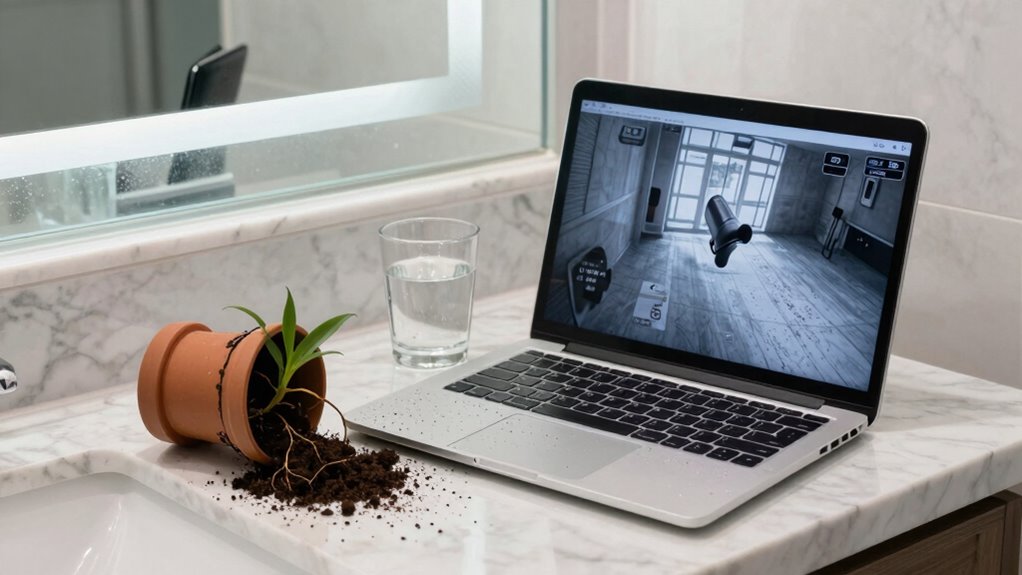
Have you ever considered how easily your personal information can leak while traveling? It’s a risk many travelers overlook, yet it can be just as damaging as physical leaks in your luggage or belongings. When you’re on the move, your sensitive data—passport numbers, credit card details, personal identification—are vulnerable to theft or accidental exposure. That’s why implementing waterproofing strategies isn’t just about protecting your physical items; it’s also about safeguarding your digital identity. Use encrypted storage or password-protected apps to keep digital files secure. Carry a waterproof, airtight pouch for your electronic devices and important documents, especially if you’re heading to humid or rainy destinations. These simple waterproofing strategies can prevent water damage that might otherwise compromise your data or render your devices unusable. Additionally, it’s important to recognize that digital security is a crucial aspect of travel safety that many overlook. Ensuring your devices are protected from water and physical damage is just as important as protecting your data from cyber threats, which is why combining physical and digital safeguards is essential. Incorporating comprehensive security measures can further enhance your protection and help prevent potential leaks or breaches. Being aware of the leak risks—both physical and digital—can help you take proactive steps to prevent potential setbacks.
Beyond physical protection, you also need to think about your insurance coverage. Many travelers assume their regular insurance policies cover losses incurred during travel—yet, that’s not always the case. It’s essential to review your policy before you leave home and verify it includes coverage for lost or stolen valuables, including electronics and important documents. If you’re traveling with expensive gadgets, check whether your insurance covers digital data breaches or theft, and consider adding specific riders if necessary. The last thing you want is to arrive at your destination only to discover that your insurance doesn’t cover the cost of replacing lost devices or recovering sensitive information. Having thorough insurance coverage provides peace of mind and guarantees that, should the worst happen, you’re financially protected. Recognizing the leak risk—both physical and digital—can help you take proactive steps to prevent potential setbacks.
Most travelers forget the importance of combining waterproofing strategies with solid insurance coverage. Waterproof cases and secure digital storage are your first line of defense against physical damage and water-related mishaps. Meanwhile, a detailed review of your insurance policy is your safety net against theft, loss, or data breaches. By taking these precautions, you reduce the chances of a leak—whether physical or digital—that could ruin your trip or compromise your personal security. Remember, it’s not just about protecting your belongings; it’s about safeguarding your identity and financial stability. Prevention is always better than repair, especially when it comes to the risks most travelers forget before leaving home. So, plan ahead, waterproof your essentials, and verify your insurance coverage—your peace of mind depends on it.
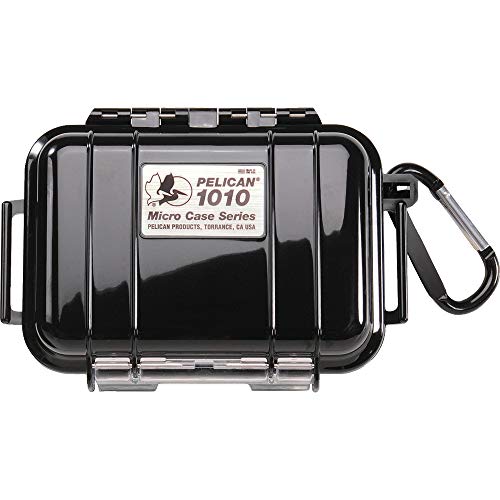
Pelican 1010 Micro Case (Black)
- Package Length: 14.2 cm
- Package Width: 9.6 cm
- Package Height: 5.2 cm
As an affiliate, we earn on qualifying purchases.
As an affiliate, we earn on qualifying purchases.
Frequently Asked Questions
How Can I Securely Store Digital Passwords While Traveling?
You should use a reputable password manager to securely store your digital passwords while traveling. Make sure it supports biometric authentication, like fingerprint or facial recognition, for quick yet secure access. Avoid writing passwords down or saving them in plain text. With a password manager and biometric authentication, you can access your passwords safely on your devices, reducing the risk of leaks and keeping your information protected wherever you go.
What Are Common Physical Items Overlooked That Cause Leaks?
You might overlook common physical items like bottled liquids, toiletries, or even loose papers, which can cause leaks. These small items often get overlooked during packing, risking damage to your belongings and potential insurance claims. To prevent leaks, follow leak prevention tips such as sealing liquids tightly, using waterproof containers, and double-bagging valuables. Being mindful of these items helps avoid costly damage and guarantees smoother travel without unexpected leak-related issues.
How Do I Prevent Water Damage to Electronic Devices During Travel?
To prevent water damage during travel, always use waterproof cases for your electronic devices, especially when around water or in humid environments. Make certain seals are properly closed and check for any damage before use. Leak prevention is key—avoid exposing devices to rain or spills, and consider packing silica gel packets to absorb moisture. These steps help keep your gadgets safe, so you can enjoy your trip without worry.
Are There Specific Clothing Materials That Help Prevent Leaks?
Yes, choosing clothing made from waterproof fabrics helps prevent leaks from seeping through. Look for items with waterproof coatings or sealed seams for added protection. Additionally, breathable textiles are beneficial because they keep you comfortable and dry by allowing moisture to escape, reducing the chance of sweat or condensation causing leaks. Combining waterproof fabrics with breathable textiles offers the best defense, ensuring you stay dry and comfortable during your travels.
What Insurance Options Cover Leak Damages While Abroad?
Your leak damage risks are no match for the right insurance. You should look into travel insurance that offers claim coverage for leak-related damages abroad. Be cautious of policy exclusions, which can leave you high and dry when you need help most. Carefully review the policy details to guarantee leak damages are covered, and avoid surprises that can turn your trip into a costly ordeal.
Conclusion
Before you head out, remember that even the tiniest oversight can let unexpected drips seep through your defenses, much like a gentle stream finding its way through a crack. By staying mindful of potential leak risks, you can keep your travels smooth and dry, avoiding those little surprises that might otherwise dampen your adventure. A little caution now guarantees your journey remains a bright, flowing river rather than a trickle of trouble.