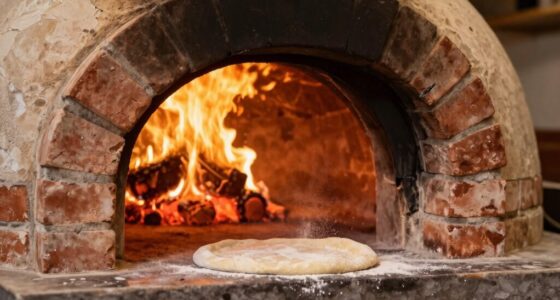
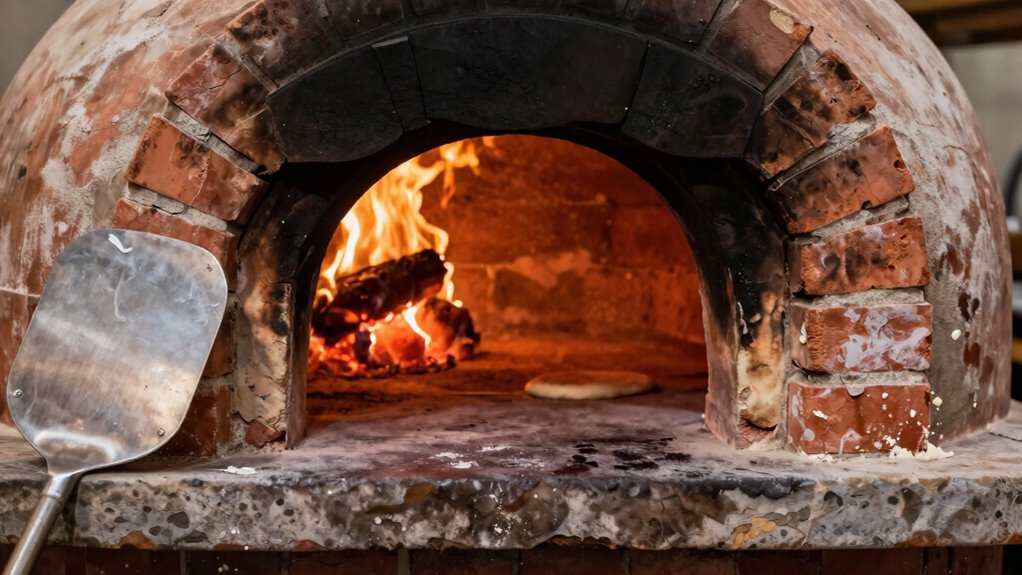

When mastering a pizza oven, you’ll quickly see it’s not just about set temperatures. You need to understand how different toppings and cheeses react to high heat, airflow, and flame. Maintaining consistent temperature and handling soot buildup or cracks is essential for perfect results. Small adjustments and ongoing maintenance keep your oven performing well. If you stay attentive, you’ll uncover the subtle challenges that turn good pizza into great—there’s more to learn beyond the basics.

Get travel and outdoor gear delivered free with Prime
- Fast, free delivery on millions of items
- Prime Video, Amazon Music and more included
- Member-only deals all year
Key Takeaways
- Mastering ingredient reactions to high heat requires experimentation beyond standard instructions.
- Achieving even heat distribution demands understanding oven airflow and temperature fluctuations.
- Routine maintenance prevents performance issues caused by soot buildup and firebrick damage.
- Adjusting techniques based on ingredient response is essential for perfect results.
- Recognizing oven wear and tear early ensures consistent performance and avoids costly repairs.
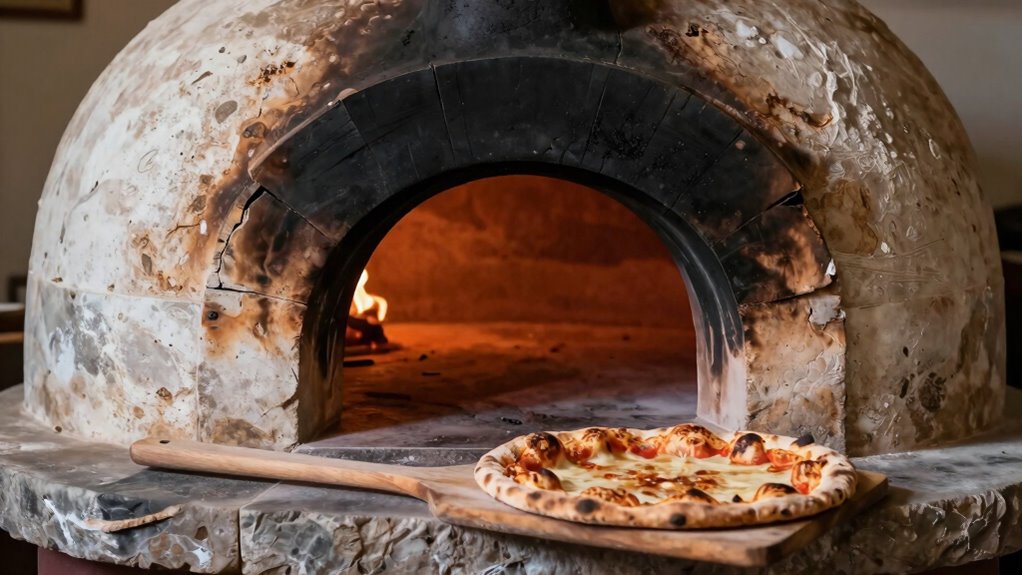
Learning to master a pizza oven can feel intimidating at first, but understanding the process helps you improve faster. One of the biggest surprises many new users encounter is just how versatile ingredients can be when cooking in a pizza oven. Unlike traditional kitchen appliances, a pizza oven can handle a wide range of toppings, cheeses, and even different dough types, giving you endless creative options. However, this ingredient versatility also means you need to be mindful of how each element reacts to high heat and direct flames. Some toppings may cook faster than others, and certain cheeses might melt differently depending on your oven’s temperature and airflow. Experimenting with various combinations is part of the learning curve, and it can take time to perfect your recipes and find the right balance for your oven’s unique characteristics. Recognizing high heat and airflow effects is crucial to mastering ingredient behavior in your pizza oven. Additionally, understanding how different ingredients respond to these conditions can help you avoid common pitfalls like burning toppings or undercooked centers. Paying attention to temperature fluctuations can also significantly impact your cooking results. It’s also helpful to keep in mind that consistent heat distribution**** is key to achieving evenly cooked pizzas, which often requires adjusting your technique or airflow settings. Developing an awareness of how your oven’s specific design influences heat flow can make a significant difference in your outcomes.
Alongside ingredient versatility, maintenance challenges are another often overlooked aspect of owning a pizza oven. While they’re built for high performance, these ovens demand regular upkeep to keep them functioning at their best. The high temperatures cause soot and ash to accumulate, especially if you’re cooking multiple pizzas or using wood or charcoal as your heat source. This buildup can affect heat distribution and even compromise safety if not cleaned properly. You might find yourself spending more time than expected on maintenance tasks, like scraping out ash or inspecting the firebrick lining for cracks. Some owners overlook this part of the process initially, but neglecting maintenance can lead to uneven cooking, decreased efficiency, or costly repairs down the line. It’s essential to develop a routine that includes cleaning, checking for damage, and understanding how different materials in your oven respond to prolonged use. Being aware of maintenance routines can extend the lifespan of your oven and ensure consistent cooking results. Paying attention to wear and tear can also help catch issues early before they impact performance.
As an affiliate, we earn on qualifying purchases.
Frequently Asked Questions
How Long Does It Typically Take to Master a Pizza Oven?
It usually takes a few weeks to a couple of months to master a pizza oven. You’ll get better at maintaining dough consistency and flame control with practice. Initially, you might struggle with uneven cooking or burning, but as you experiment and adjust, you’ll develop a feel for the right temperature and timing. Consistent practice helps you become confident in creating perfect pizzas, even during busy nights.
Are There Common Safety Concerns During the Learning Process?
You should stay alert, as safety concerns are front and center during your pizza oven journey. Fire hazards are a real worry, especially if you don’t monitor the heat or leave flammable materials nearby. Ventilation issues can cause smoke buildup, risking discomfort or health problems. Always follow safety guidelines, keep a fire extinguisher nearby, and make certain proper ventilation. Playing it safe helps you enjoy perfect pizzas without unnecessary risks.
What’s the Best Way to Clean and Maintain a Pizza Oven?
To keep your pizza oven in top shape, follow proper cleaning techniques and maintenance routines. After each use, scrape off food debris and wipe down surfaces with a damp cloth. Regularly check and clean the chimney and vents to guarantee proper airflow. Season the oven periodically with oil to prevent rust. By staying consistent with these practices, you’ll extend your oven’s lifespan and ensure consistent, delicious results every time.
Can Beginners Achieve Restaurant-Quality Pizza at Home?
You can absolutely achieve restaurant-quality pizza at home—you just need passion and patience! It’s like transforming your kitchen into a pizzeria. Focus on ingredient quality and perfecting dough preparation; these are game-changers. Practice makes perfect, so don’t get discouraged by initial setbacks. With a good pizza oven, some practice, and attention to detail, you’ll be serving up pro-level pies that impress everyone.
How Does Ambient Temperature Affect Cooking Times?
Ambient temperature greatly impacts cooking times because fluctuations can affect how evenly your pizza cooks. When temperatures rise, your oven may heat faster, reducing cooking time, whereas cooler environments require longer to reach the desired heat. Proper temperature regulation is crucial; you might need to adjust your cooking time accordingly. Keep an eye on ambient fluctuations and tweak your process to guarantee consistent, restaurant-quality results every time you bake.
Conclusion
So, are you ready to embrace the learning curve and master your pizza oven? It’s true—getting that perfect crust and toppings takes patience, practice, and a bit of trial and error. But isn’t the journey worth it when you finally pull that crispy, cheesy masterpiece from your oven? Remember, every great pizza chef started right where you are now. Why not make this delicious challenge part of your culinary adventure?
Fall Picks
fall essentials
As an affiliate, we earn on qualifying purchases.