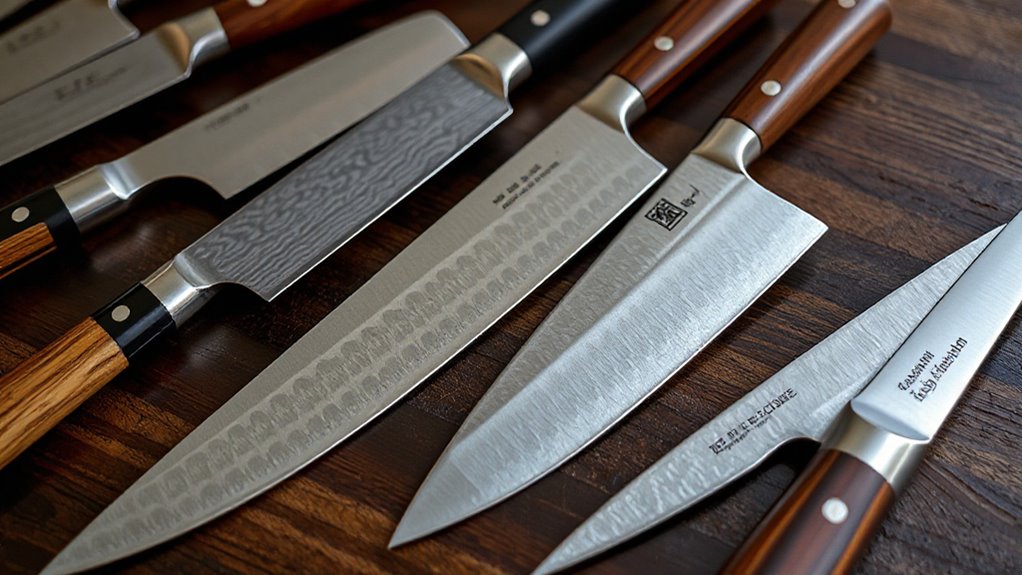

Choosing the right Japanese knife brand can transform your cooking experience, offering exceptional sharpness, balance, and craftsmanship. The Shun Premier stands out as the overall best for its premium build and razor-sharp edges, while KAWAHIRO offers excellent value with its hand-forged VG10 steel. For beginners, brands like imarku provide affordable yet reliable options, but they may lack the finesse of more established names. The main tradeoffs involve balancing quality, price, and durability—premium brands cost more but last longer, while budget options may require more maintenance. Continue reading for the full breakdown of these top Japanese knife brands and how to choose the best one for your needs.

Get travel and outdoor gear delivered free with Prime
- Fast, free delivery on millions of items
- Prime Video, Amazon Music and more included
- Member-only deals all year
Complete the kit


Key Takeaways
- Top-tier brands like Shun and MITSUMOTO SAKARI offer exceptional craftsmanship and edge retention but come with a higher price tag.
- Hand-forged VG10 steel knives provide a great balance of sharpness and durability, making them a popular choice among professionals.
- Cheaper brands like imarku are suitable for beginners or casual cooks but may require more frequent honing and care.
- The choice of handle material and weight significantly impacts comfort and control during extended use.
- Investing in a reputable Japanese brand often results in better long-term value through superior edge retention and ease of maintenance.
| SHAN ZU 8-Inch Japanese Steel Damascus Chef Knife |  | Best for Durability and Traditional Craftsmanship | Blade Length: 8 inches | Blade Thickness: 2.2 mm | Blade Width: 2.5 inches | VIEW ON AMAZON | See Our Full Breakdown |
| KAWAHIRO 8.27 Inch Japanese Chef Knife, Hand-Forged VG10 Steel |  | Best for Aesthetic Appeal and Precision Cutting | Blade Length: 8.27 inches | Steel Type: VG10 stainless steel | Handle Material: Ruby wood, turquoise, ebony | VIEW ON AMAZON | See Our Full Breakdown |
| Shun Classic 6.5-Inch Nakiri Knife |  | Best for Precise Vegetable Preparation | Blade Length: 6.5 inches | Material: VG-MAX steel with Damascus cladding | Edge Angle: 16 degrees | VIEW ON AMAZON | See Our Full Breakdown |
| Shun Sora 8-Inch Chef’s Knife |  | Best for Versatile Kitchen Tasks | Blade Length: 8 inches | Steel Type: VG10 steel with 420J stainless steel upper | Edge Angle: 16 degrees | VIEW ON AMAZON | See Our Full Breakdown |
| Japanese Chef Knife 8 Inch, Handcrafted with Damascus VG10 Steel |  | Best for Professional Precision and Elegance | Blade Length: 8 inches | Steel Core: VG10 | Layering: 67-layer Damascus | VIEW ON AMAZON | See Our Full Breakdown |
| PAUDIN Nakiri Knife – 7″ Razor Sharp Meat Cleaver and Vegetable Kitchen Knife, High Carbon Stainless Steel, Multipurpose Asian Chef Knife with Ergonomic Handle |  | Best Value for Versatility | Blade Length: 7 inches | Steel Type: 5Cr15Mov stainless steel | Hardness: 56+ | VIEW ON AMAZON | See Our Full Breakdown |
| HOSHANHO 8-inch Japanese High Carbon Steel Chef’s Knife |  | Best for Precise, Stylish Slicing | Material: Japanese high carbon steel 10Cr15CoMoV | Blade Length: 8 inches | Hardness: 60 HRC | VIEW ON AMAZON | See Our Full Breakdown |
| MITSUMOTO SAKARI 8-Inch Japanese Gyuto Chef Knife, 3-Layer 9Cr18MoV |  | Best for Elegant, Professional Precision | Blade Length: 8 inches | Material: 9Cr18MoV high carbon stainless steel | Construction: 3-layer San-Mai | VIEW ON AMAZON | See Our Full Breakdown |
| imarku 7-Inch Santoku Knife with High Carbon Stainless Steel |  | Best for Everyday Versatile Use | Blade Length: 7 inches | Material: Japanese high carbon stainless steel | Edge Angle: 15-18 degrees per side | VIEW ON AMAZON | See Our Full Breakdown |
| Sunnecko 8 Inch Chef Knife – Ultra Sharp Vegetable Kitchen Knife |  | Best for Precision and Professional Use | Blade Length: 8 inches | Material: High carbon stainless steel | Edge Angle: 12-15 degrees per side | VIEW ON AMAZON | See Our Full Breakdown |
| Shun Premier 8-Inch Chef’s Knife |  | Best for Artisanal Craftsmanship and Versatility | Blade Length: 8 inches | Material: VG-MAX steel with Damascus cladding | Finish: Hammered tsuchime | VIEW ON AMAZON | See Our Full Breakdown |
| japanese knife brand | Blade Length | Handle Material | Material |
|---|---|---|---|
| SHAN ZU 8-Inch Japanese Steel | 8 inches | — | — |
| KAWAHIRO 8.27 Inch Japanese Ch | 8.27 inches | Ruby wood, turquoise, ebony | — |
| Shun Classic 6.5-Inch Nakiri K | 6.5 inches | Pakkawood | VG-MAX steel with Damascus cladding |
| Shun Sora 8-Inch Chef’s Knife | 8 inches | PP/TPE polymer blend | — |
| Japanese Chef Knife 8 Inch | 8 inches | Stabilized wood and resin | — |
| PAUDIN Nakiri Knife | 7 inches | Pakkawood | — |
| HOSHANHO 8-inch Japanese High | 8 inches | Wood | Japanese high carbon steel 10Cr15CoMoV |
| MITSUMOTO SAKARI 8-Inch Japane | 8 inches | Rosewood | 9Cr18MoV high carbon stainless steel |
| imarku 7-Inch Santoku Knife wi | 7 inches | Pakkawood | Japanese high carbon stainless steel |
| Sunnecko 8 Inch Chef Knife | 8 inches | Pakkawood | High carbon stainless steel |
| Shun Premier 8-Inch Chef’s Kni | 8 inches | — | VG-MAX steel with Damascus cladding |
More Details on Our Top Picks
SHAN ZU 8-Inch Japanese Steel Damascus Chef Knife
This SHAN ZU Damascus chef knife stands out for its robust 67-layer high-hardness steel, offering exceptional sharpness and rust resistance. Compared with the Shun Sora 8-Inch Chef’s Knife, it provides a heavier, more substantial feel, making it ideal for professionals who prioritize durability. The layered Damascus pattern also adds aesthetic appeal, but this heft can be tiring for prolonged use, especially for those with smaller hands. Proper maintenance is essential to prevent rust, which could be a concern for home cooks seeking low-maintenance tools. This knife is best suited for chefs or serious enthusiasts who want a resilient, long-lasting blade that can handle daily heavy-duty tasks without frequent replacement.
Pros:- Super sharp and durable Damascus steel blade
- Ergonomic G10 handle for comfortable grip
- Long-lasting with rust and wear resistance
- High-quality layered steel craftsmanship
Cons:- Heavy weight may cause fatigue during extended use
- Requires careful maintenance to prevent rust and corrosion
Best for: Professional chefs or dedicated home cooks who need a durable, high-performance knife for daily use
Not ideal for: Casual cooks or those preferring lightweight, low-maintenance kitchen tools
- Blade Length:8 inches
- Blade Thickness:2.2 mm
- Blade Width:2.5 inches
- Handle Length:5.3 inches
- Cutting Angle:15°
- Weight:270 g
- Steel Layers:67
Our verdict“This knife is best for those who value durability and craftsmanship over lightweight handling.”
KAWAHIRO 8.27 Inch Japanese Chef Knife, Hand-Forged VG10 Steel
The KAWAHIRO VG10 chef knife makes a compelling choice for those who appreciate a handcrafted, visually striking blade. It features a high-quality VG10 steel core with layered steel and a beautiful black forged finish, surpassing many standard knives like the Shun Sora in craftsmanship and aesthetic detail. Its ergonomic handle balances comfort and control, making it suitable for extended prep work. However, the premium materials and intricate design mean it demands careful maintenance and is more susceptible to damage if not properly cared for. This pick fits best for passionate cooks or collectors who want a knife that combines performance with a luxurious, artistic look, and are willing to invest in its upkeep.
Pros:- Sharp, precise cutting performance with VG10 steel
- Beautiful layered, handcrafted design
- Ergonomic, comfortable handle for extended use
- Ideal for gifting due to elegant presentation
Cons:- Requires hand washing and careful maintenance
- Higher price point compared to standard knives
Best for: Culinary enthusiasts and collectors who value craftsmanship and aesthetic appeal in their knives
Not ideal for: Casual cooks seeking a low-cost, low-maintenance knife for everyday use
- Blade Length:8.27 inches
- Steel Type:VG10 stainless steel
- Handle Material:Ruby wood, turquoise, ebony
- Construction:3-layer composite steel
- Finish:Black forged
- Price Range:Premium
Our verdict“This knife is perfect for those who want a high-performance, visually stunning piece for special culinary tasks or collection.”
Shun Classic 6.5-Inch Nakiri Knife
The Shun Classic Nakiri excels at vegetable slicing, with a sharp VG-MAX steel blade and traditional Damascus cladding that offers both precision and durability. Its 6.5-inch blade is ideal for thin, uniform cuts, making it a favorite among those who focus on vegetable prep. While it performs beautifully in this task, it’s less versatile for general kitchen duties compared to a broader chef’s knife like the Shun Sora. The handcrafted quality and limited scope mean it might be an unnecessary expense for cooks who need an all-purpose knife. This Nakiri makes the most sense for cooks who prioritize vegetable prep, especially those who appreciate Japanese craftsmanship in a dedicated tool.
Pros:- Exceptional sharpness and precision for vegetables
- Comfortable, secure Pakkawood handle
- Traditional craftsmanship and handcrafting quality
- Includes free sharpening and honing
Cons:- Limited to vegetable slicing, not suitable for other tasks
- Higher cost due to craftsmanship
Best for: Home cooks or professionals focusing on vegetable prep and fine slicing
Not ideal for: Cooks looking for a versatile all-in-one chef’s knife
- Blade Length:6.5 inches
- Material:VG-MAX steel with Damascus cladding
- Edge Angle:16 degrees
- Handle Material:Pakkawood
- Handcrafted:Yes
- Country of Origin:Japan
Our verdict“This Nakiri is ideal for vegetable-focused cooks who value precise, traditional Japanese craftsmanship.”
Shun Sora 8-Inch Chef’s Knife
The Shun Sora 8-Inch Chef’s Knife offers versatility, with a VG10 steel blade suitable for slicing, dicing, and mincing. Its full-tang handle provides excellent balance, making it a reliable choice for everyday kitchen work. In comparison to the Shun Classic Nakiri, it’s less specialized but more adaptable across various ingredients and techniques. Its slightly less curved profile might require some adjustment for users accustomed to Western-style knives, but it excels in overall balance and quality craftsmanship. This knife makes the most sense for cooks who want a single, high-quality knife capable of handling multiple tasks without sacrificing performance.
Pros:- Sharp VG10 steel edge for precise cuts
- Balanced full-tang handle for control
- Handcrafted Japanese craftsmanship
- Suitable for a variety of kitchen tasks
Cons:- Less curved than Western-style knives, which may require adjustment
- Premium price point
Best for: Home cooks seeking a reliable, versatile Japanese chef’s knife for daily use
Not ideal for: Cooks who prefer a more curved blade for rocking cuts or specialized vegetable prep
- Blade Length:8 inches
- Steel Type:VG10 steel with 420J stainless steel upper
- Edge Angle:16 degrees
- Handle Material:PP/TPE polymer blend
- Handcrafted in:Japan
Our verdict“This knife is perfect for versatile, everyday cooking where quality and balance are priorities.”
Japanese Chef Knife 8 Inch, Handcrafted with Damascus VG10 Steel
This handcrafted Damascus VG10 chef knife combines high-performance steel with a stunning layered Damascus pattern. Its 8-inch blade with a HRC of 62 offers excellent edge retention and sharpness, comparable to the KAWAHIRO VG10 but with a more traditional, artisanal look. The ergonomic, slip-resistant handle ensures comfortable handling during prolonged use, making it a favorite among professionals and serious home cooks. However, its high-maintenance nature demands careful cleaning and storage to prevent rust, unlike more forgiving stainless options. This knife suits those who want a beautifully crafted, precise cutting tool and are prepared for regular upkeep.
Pros:- Exceptional sharpness and stain resistance with VG10 steel core
- Elegant Damascus pattern adds durability and aesthetic appeal
- Ergonomic, slip-resistant handle for precise control
- Suitable for professional and home use
Cons:- High maintenance required to prevent rust
- Price may be prohibitive for casual cooks
Best for: Professional chefs and dedicated home cooks seeking a high-end, handcrafted Japanese knife
Not ideal for: Casual users or those seeking low-maintenance, everyday kitchen tools
- Blade Length:8 inches
- Steel Core:VG10
- Layering:67-layer Damascus
- HRC:62
- Handle Material:Stabilized wood and resin
Our verdict“This high-end handcrafted knife is best for those who prioritize aesthetics and precision, and are willing to care for it properly.”
PAUDIN Nakiri Knife – 7″ Razor Sharp Meat Cleaver and Vegetable Kitchen Knife, High Carbon Stainless Steel, Multipurpose Asian Chef Knife with Ergonomic Handle
This 7-inch nakiri from PAUDIN stands out for its sharp, durable stainless steel blade that handles vegetable prep with ease. Compared to the Shun Sora 8-Inch Chef’s Knife, it offers a more specialized, lightweight design ideal for precise vegetable work. While it lacks the Damascus steel aesthetic of higher-end brands like KAWAHIRO, its wave pattern adds a touch of style. The handle’s ergonomic design provides comfort during extended use, though it may require maintenance to prevent slipping. Its limited size makes it less suitable for larger chopping tasks, but for everyday vegetable prep, it balances performance and affordability effectively.
Pros:- Sharp, durable stainless steel blade for precise cuts
- Ergonomic handle ensures comfortable grip
- Versatile for slicing, dicing, and chopping
Cons:- Not made from genuine Damascus steel
- Handle may need maintenance to prevent slipping
- Limited to 7-inch size, less suited for heavy chopping
Best for: Home cooks who want a versatile, affordable nakiri for daily vegetable prep
Not ideal for: Professional chefs needing a larger or more robust all-purpose knife
- Blade Length:7 inches
- Steel Type:5Cr15Mov stainless steel
- Hardness:56+
- Handle Material:Pakkawood
- Pattern:Wave pattern
Our verdict“This pick suits home cooks seeking an affordable, sharp nakiri for vegetable prep without the bulk of larger knives.”
HOSHANHO 8-inch Japanese High Carbon Steel Chef’s Knife
HOSHANHO’s 8-inch chef’s knife is crafted from high-quality Japanese 10Cr15CoMoV steel, delivering exceptional sharpness and rust resistance. It’s an excellent choice for those who want a stylish, high-performance knife for slicing vegetables, meat, and cheese. When compared with the Mitsumoto Sakari Gyuto, it offers a more traditional, sleek matte finish, though it may require more careful handling to prevent drying out the wooden handle. Its 60 HRC hardness strikes a good balance between edge retention and ease of sharpening, making it suitable for daily kitchen use but not for heavy-duty chopping. This knife fits cooks who value appearance and precision in a versatile tool.
Pros:- High-quality Japanese steel for sharpness and durability
- Ergonomic handle for comfortable grip
- Stylish matte finish with high precision
Cons:- Handle may require maintenance to prevent drying
- Needs proper sharpening to maintain edge
- Not designed for heavy chopping or rough use
Best for: Intermediate cooks who want a stylish, sharp knife for versatile prep tasks
Not ideal for: Heavy-duty chefs needing a rugged, heavy chopping knife
- Material:Japanese high carbon steel 10Cr15CoMoV
- Blade Length:8 inches
- Hardness:60 HRC
- Handle Material:Wood
- Sharpening Angle:13 degrees per side
Our verdict“This knife is ideal for cooks seeking a sharp, stylish Japanese chef’s knife for everyday precision slicing.”
MITSUMOTO SAKARI 8-Inch Japanese Gyuto Chef Knife, 3-Layer 9Cr18MoV
The MITSUMOTO SAKARI Gyuto features a 3-layer San-Mai construction with a high carbon stainless steel core, offering a blend of toughness and cutting precision. Compared with the Sunnecko 8-Inch Chef Knife, its elegant rosewood handle and kurouchi black finish elevate its aesthetic appeal, making it suitable for professional or upscale home kitchens. The deep-cryo treatment and hammered texture enhance durability, but the handle can be slippery when wet, and it commands a higher price point. Its balanced hardness makes it suitable for frequent use, though it requires careful sharpening to maintain its edge.
Pros:- High-quality 3-layer San-Mai construction for durability
- Elegant rosewood handle and stylish finish
- Deep-cryo treated for toughness
Cons:- Handle may become slippery when wet
- Requires careful sharpening to sustain edge
- Premium price may be prohibitive for some
Best for: Professional or serious home cooks who value craftsmanship and elegance
Not ideal for: Budget-conscious buyers or those needing a rugged, heavy-duty chopper
- Blade Length:8 inches
- Material:9Cr18MoV high carbon stainless steel
- Construction:3-layer San-Mai
- Hardness:HRC 60±2
- Handle Material:Rosewood
- Additional Features:Deep-cryo treated, hammered texture
Our verdict“This knife suits those seeking a high-end, beautifully crafted Japanese Gyuto for refined kitchen work.”
imarku 7-Inch Santoku Knife with High Carbon Stainless Steel
The imarku 7-inch santoku offers a sharp, high carbon stainless steel blade that excels at slicing, dicing, and mincing. Its hollow edge reduces sticking, akin to the Sunnecko, but at a more accessible price point. The ergonomic Pakkawood handle provides comfort and safety, although it may require more maintenance to prevent drying or cracking. Compared to the Sunnecko, it’s slightly less refined but still a reliable choice for daily kitchen tasks. Its 7-inch size makes it manageable for most users, though those needing a larger or heavier-duty knife may prefer alternatives.
Pros:- Sharp, durable high carbon stainless steel blade
- Ergonomic, secure Pakkawood handle
- Hollow edge reduces food sticking
Cons:- Handle may need maintenance to prevent drying
- Requires careful cleaning to prevent rust
- Limited to 7-inch size, which may not suit all tasks
Best for: Home cooks and intermediate chefs looking for a reliable, versatile santoku
Not ideal for: Professional chefs requiring a larger or more rugged knife for heavy-duty chopping
- Blade Length:7 inches
- Material:Japanese high carbon stainless steel
- Edge Angle:15-18 degrees per side
- Handle Material:Pakkawood
- Blade Thickness:2.5mm
Our verdict“This santoku provides a practical, well-balanced option for everyday kitchen prep at a reasonable price.”
Sunnecko 8 Inch Chef Knife – Ultra Sharp Vegetable Kitchen Knife
The Sunnecko 8-inch chef knife is engineered for sharpness, featuring a high-carbon stainless steel blade with a laser-etched pattern that combines style with performance. Its ultra-sharp edge makes it ideal for precise slicing and dicing, matching well against the Mitsumoto Sakari Gyuto for its aesthetic and cutting prowess. The ergonomic Pakkawood handle ensures comfort during extended use, though it demands hand washing and careful maintenance to avoid cracking. This knife is perfect for chefs or serious home cooks prioritizing precision, but its premium price and care requirements make it less suitable for casual users.
Pros:- Ultra sharp and precise cutting edge
- Ergonomic, non-slip handle for comfort
- Elegant laser-etched design for aesthetics
Cons:- Requires careful hand washing and maintenance
- Handle may crack if not properly cared for
- Premium price point for budget-conscious buyers
Best for: Professional chefs or enthusiasts needing a highly precise, sharp kitchen knife
Not ideal for: Casual cooks or those seeking a rugged, low-maintenance knife
- Blade Length:8 inches
- Material:High carbon stainless steel
- Edge Angle:12-15 degrees per side
- Handle Material:Pakkawood
- Includes:PVC sheath
Our verdict“This knife is suited for professionals or serious cooks focused on precision and aesthetics, willing to invest in quality care.”
Shun Premier 8-Inch Chef’s Knife
The Shun Premier 8-Inch Chef’s Knife stands out for its exquisite craftsmanship, blending traditional hand-forged techniques with modern steel technology. Its VG-MAX steel core with Damascus cladding offers a razor-sharp edge that rivals the KAWAHIRO VG10 Chef Knife, but with a more refined finish and a hammered tsuchime pattern that reduces food sticking. Compared to the Shun Sora 8-Inch Chef’s Knife, which employs a lighter, less expensive steel, the Premier emphasizes durability and premium feel, though it comes at a significantly higher price point. This pick makes the most sense for home cooks seeking a balanced combination of beauty, precision, and performance, willing to invest in care and maintenance. Its Pakkawood handle provides a comfortable, secure grip, but delicate handling is required to preserve the blade’s sharpness and finish over time.Pros:- Exceptional craftsmanship and beautiful Damascus finish
- Excellent sharpness and edge retention thanks to VG-MAX steel
- Comfortable, secure Pakkawood handle that balances control
Cons:- Premium price makes it less accessible for budget-conscious buyers
- Requires careful handling and regular honing to maintain the edge
Best for: Home chefs who value craftsmanship, aesthetics, and versatile performance in a single high-end knife
Not ideal for: Casual cooks or those with a tight budget who need a more affordable or low-maintenance option
- Blade Length:8 inches
- Material:VG-MAX steel with Damascus cladding
- Finish:Hammered tsuchime
- Handle:Pakkawood
- Edge Angle:16 degrees
Our verdict“This knife is ideal for serious enthusiasts prioritizing artful design and high performance, despite its higher cost and maintenance needs.”
How We Picked
These products were evaluated based on several key criteria: edge quality and retention, craftsmanship and materials, build quality, ease of maintenance, and overall value. We prioritized brands with consistent reputations for quality, especially those that offer a good balance of affordability and premium features. The ranking reflects how well each knife performs in real-world kitchen tasks, considering durability, comfort, and ease of sharpening. Additionally, we looked at brand reputation, customer reviews, and the variety of options available across different price points to ensure a comprehensive overview for different types of buyers.| japanese knife brand | Handle Material |
|---|---|
| SHAN ZU 8-Inch Japanese Steel | — |
| KAWAHIRO 8.27 Inch Japanese Ch | Ruby wood, turquoise, ebony |
| Shun Classic 6.5-Inch Nakiri K | Pakkawood |
| Shun Sora 8-Inch Chef’s Knife | PP/TPE polymer blend |
| Japanese Chef Knife 8 Inch | Stabilized wood and resin |
| PAUDIN Nakiri Knife | Pakkawood |
| HOSHANHO 8-inch Japanese High | Wood |
| MITSUMOTO SAKARI 8-Inch Japane | Rosewood |
| imarku 7-Inch Santoku Knife wi | Pakkawood |
| Sunnecko 8 Inch Chef Knife | Pakkawood |
| Shun Premier 8-Inch Chef’s Kni | — |
Factors to Consider When Choosing Japanese Knife Brands
When selecting a Japanese knife brand, understanding a few core factors can help you make an informed decision that aligns with your cooking style and budget. Beyond aesthetics, consider the steel quality, handle design, and maintenance needs. Recognizing the differences between handcrafted and factory-produced knives can save you from disappointment and costly mistakes. Being aware of tradeoffs between price and durability will ensure you choose a knife that remains a reliable kitchen companion for years to come.Steel Quality and Edge Retention
Japanese knives often use high-carbon steels like VG10, SG2, or 9Cr18MoV, which are prized for their ability to hold a sharp edge longer than Western steels. Higher-grade steels typically require more careful maintenance but reward you with superior cutting performance. Cheaper steels may dull faster, requiring more frequent honing, but they are easier to sharpen and often less expensive. Understanding your cooking frequency and willingness to maintain your knife can help determine the best steel choice for you.
Handle Comfort and Balance
The handle design influences comfort, control, and fatigue during prolonged use. Traditional Japanese knives often feature D-shaped or octagonal handles made from wood or composite materials, which offer a firm grip and aesthetic appeal. Modern handles might focus on ergonomic shapes for better control or lighter weight. Test different handle styles if possible, since the right fit can prevent hand fatigue and improve precision over time.
Craftsmanship and Construction
Hand-forged knives tend to feature layered Damascus steel and superior craftsmanship, often resulting in higher durability, sharper edges, and a more refined aesthetic. Machine-made knives can still perform well but might lack the finesse and longevity of handcrafted options. Decide whether you prefer the artisanal quality of hand-forged blades or the consistency and affordability of factory-produced knives, based on your usage and budget.
Price and Long-term Value
While premium brands come with a higher price tag, they usually deliver better edge retention and require less frequent sharpening, which can save time and money in the long run. Budget options may be tempting for casual users but often need more frequent honing and eventual replacement. Consider your cooking habits and whether investing in a higher-quality knife aligns with your expectations for durability and performance.
Maintenance and Care
Japanese knives generally require hand washing, drying immediately, and occasional honing. Some steels are more resistant to rust, while others need more careful maintenance. Investing in a good whetstone or honing rod can prolong the life of your knife and maintain its cutting edge. Overly aggressive sharpening or improper storage can damage even the best blades, so understanding proper care is key for preserving your investment.
Frequently Asked Questions
Should I choose a handcrafted or factory-made Japanese knife?
Handcrafted knives typically offer superior craftsmanship, layered Damascus patterns, and often better edge retention, making them ideal for serious cooks who value precision and longevity. Factory-made knives, on the other hand, tend to be more affordable and consistent in quality, suitable for casual users or those just starting out. Your choice depends on how much you’re willing to invest and how often you plan to use or maintain the knife.
What steel should I prioritize for a beginner Japanese knife?
For beginners, high-quality stainless steels like VG10 or 9Cr18MoV strike a good balance between sharpness, ease of maintenance, and rust resistance. These steels are forgiving for those new to Japanese knives and still provide excellent performance. Avoid overly complex steels that require specialized sharpening techniques unless you’re ready to learn more about knife care.
How important is handle material in choosing a Japanese knife?
Handle material impacts comfort, control, and maintenance. Traditional wooden handles are aesthetically pleasing and often absorb moisture, which can require more care. Synthetic handles tend to be more durable and easier to clean, offering a consistent grip. Consider your hand size and grip preference, as a comfortable handle can significantly improve your overall experience, especially during extended chopping sessions.
Is it worth investing in a premium Japanese knife?
Premium Japanese knives often feature finer craftsmanship, higher-grade steels, and better edge retention, which can make a noticeable difference in cutting performance and ease of maintenance. While they come at a higher cost, they tend to last longer with proper care and can improve your cooking efficiency. For dedicated home cooks or professionals, this investment pays off over time in precision and durability.
What should I consider when choosing a Japanese knife for specific tasks?
Different Japanese knives excel at specific tasks: Gyuto for general-purpose slicing, Nakiri for vegetables, and Santoku for versatility. Consider your typical cooking style and the types of ingredients you handle most often. A well-chosen knife tailored to your needs can improve efficiency and reduce fatigue, but avoid buying multiple specialized knives unless your kitchen workflow justifies it.
Conclusion
For those seeking the best overall quality, the Shun Premier offers a balance of craftsmanship, edge retention, and aesthetic appeal. Beginners or casual cooks should consider more affordable options like imarku for reliable performance without the hefty price. Serious home chefs or professionals will find value in premium brands like MITSUMOTO SAKARI or HOSHANHO, which provide exceptional durability and cutting precision. Ultimately, your choice hinges on how much you value craftsmanship, your budget, and your specific culinary needs—matching the right brand with your skill level and expectations ensures a satisfying experience in the kitchen.
Halloween Picks
halloween
As an affiliate, we earn on qualifying purchases.