
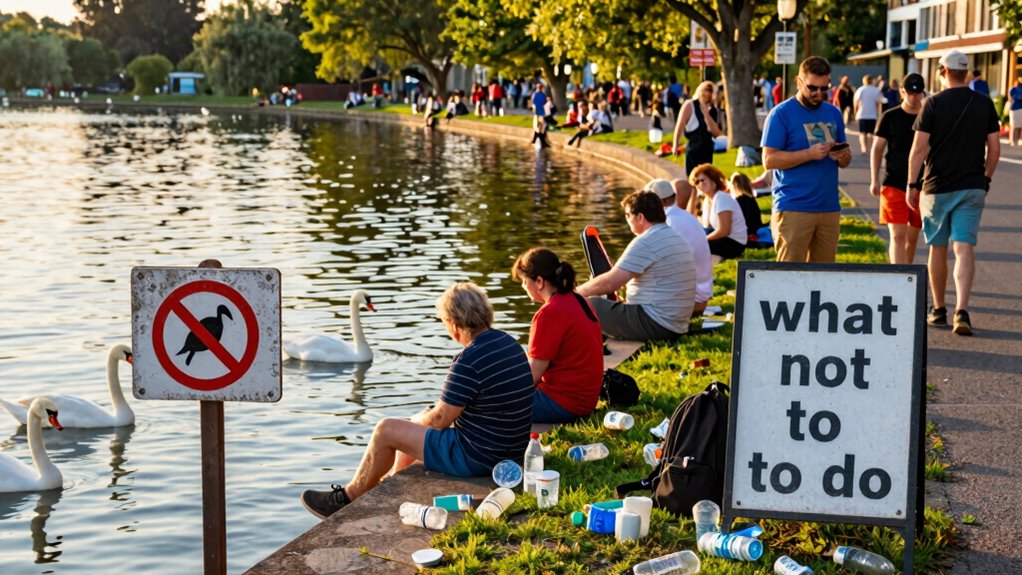

Including “what not to do” in destination guides is essential because it helps you avoid cultural misunderstandings, legal issues, and environmental hazards. When you know the do’s and don’ts, you show respect to locals and stay safe during your trip. It also helps you connect more authentically with the community. If you keep these tips in mind, you’ll enjoy a more responsible and memorable experience. If you want to learn how to navigate these situations, keep exploring further.

Get travel and outdoor gear delivered free with Prime
- Fast, free delivery on millions of items
- Prime Video, Amazon Music and more included
- Member-only deals all year
Key Takeaways
- They help travelers avoid cultural offenses and legal issues, ensuring respectful and smooth interactions.
- Including warnings about environmental hazards enhances safety and prepares travelers for local conditions.
- They promote responsible tourism by encouraging eco-friendly and culturally sensitive behaviors.
- Highlighting “what not to do” minimizes misunderstandings and fosters authentic community engagement.
- Such guidance improves overall travel experiences by combining safety, respect, and cultural appreciation.
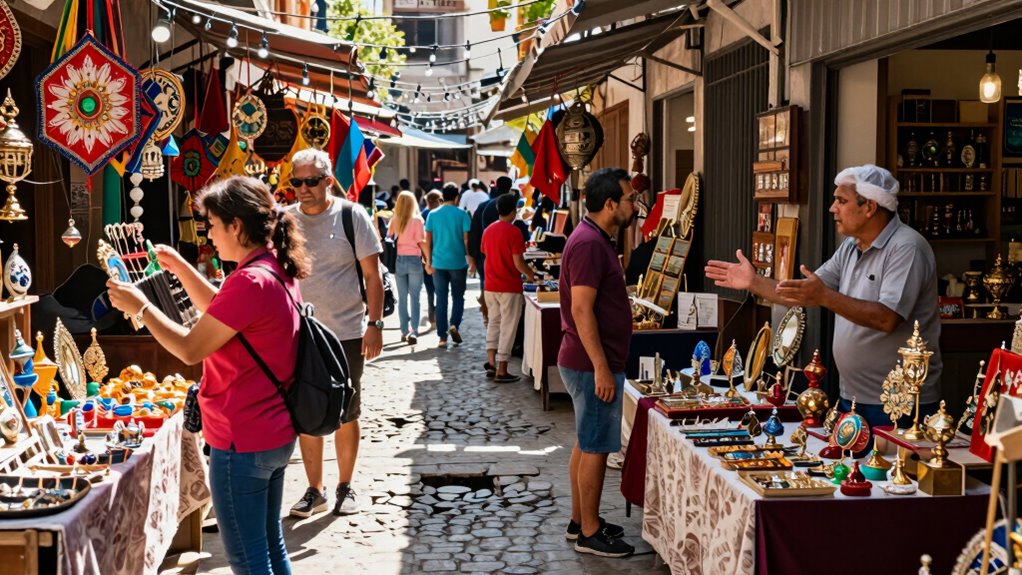
Understanding local customs is essential, but it isn’t enough to just know what’s polite. You need guidance on what actions are outright offensive or frowned upon. For example, in some cultures, certain gestures or dress codes might seem harmless but could be deeply disrespectful. When guides fail to mention these “don’ts,” you risk offending locals, causing awkward encounters or even jeopardizing your safety. It’s not just about politeness; it’s about respecting the community you visit. Clear advice on what behaviors to avoid helps you blend in better and show genuine respect for the traditions and social norms. Recognizing environmental hazards is another crucial aspect that often gets overlooked in travel planning. Many destinations have specific dangers—such as dangerous wildlife, unstable terrain, or extreme weather conditions—that travelers might not realize without proper guidance. Guides that include “what not to do” inform you about these risks, saving you from potentially dangerous situations. For instance, they might warn against swimming in certain waters, touching unfamiliar plants, or wandering into restricted areas. Recognizing these hazards before your trip means you can prepare appropriately or steer clear altogether. Without these warnings, you might find yourself unprepared and vulnerable. Ignorance of local customs could lead to offending hosts or breaking laws, while neglecting environmental hazards could result in injuries or health issues. Travel guides that incorporate “what not to do” information serve as essential tools for responsible tourism. They empower you to enjoy your trip without unnecessary risks or misunderstandings. Additionally, understanding local environmental hazards can significantly contribute to sustainable tourism practices by minimizing your ecological footprint. Being aware of cultural sensitivities can help you navigate social interactions more smoothly and respectfully. Recognizing potential dangers allows you to make informed decisions and avoid hazardous situations that might not be immediately obvious. Moreover, including specific local customs in your preparations demonstrates your genuine respect for the community and enhances your overall experience. In essence, including “what not to do” sections in destination guides isn’t just about avoiding mistakes; it’s about enhancing your travel experience. It helps you connect authentically with local communities and stay protected from hazards that could ruin your trip unexpectedly. When you approach a new place, knowing what to avoid is just as important as knowing what to see and do. This balanced knowledge transforms a good trip into a memorable, respectful, and safe adventure.
As an affiliate, we earn on qualifying purchases.
Frequently Asked Questions
How Do I Find Local Customs Not to Offend?
You can find local customs not to offend by researching cultural faux pas and etiquette pitfalls before your trip. Check travel guides, official tourism websites, and reputable blogs for tips. Talk to locals or expats for firsthand advice, and observe how others behave when you arrive. Being aware of common mistakes helps you avoid offending anyone and shows respect for the local culture, making your experience more enjoyable and authentic.
Are There Common Travel Mistakes to Avoid?
To avoid common travel mistakes, pay attention to travel etiquette and dress codes. Always research local customs before you go, so you don’t offend anyone unintentionally. Be mindful of appropriate attire, especially in religious or conservative areas. Avoid flashy displays of wealth, and respect local traditions. These small steps help you blend in, show respect, and guarantee a smoother, more enjoyable trip without awkward or embarrassing moments.
What Behaviors Are Considered Disrespectful in the Area?
Respectful travelers avoid behaviors that disrespect the locals, such as ignoring dress code guidelines and flouting photography etiquette. Dress modestly when required, and always ask permission before capturing photos of individuals or sacred sites. By being mindful of these manners, you demonstrate respect, prevent misunderstandings, and foster positive interactions. Remember, small steps like these show appreciation for local customs and make your travel experience more meaningful and memorable.
How Can I Learn Cultural Taboos Beforehand?
You can learn cultural taboos beforehand by researching travel etiquette and cultural sensitivities online, reading travel blogs, or consulting guidebooks. Check official tourism websites or cultural forums for up-to-date advice. Watching videos or documentaries about the destination also helps. Engaging with locals or joining cultural workshops can give you firsthand insights. Being proactive in understanding these aspects helps you respect local customs and avoid unintentional disrespect during your trip.
What Do Travelers Usually Overlook When Respecting Local Traditions?
You often overlook subtle cultural misunderstandings and etiquette pitfalls that can offend locals. Travelers might assume certain gestures or dress codes are universal, but they aren’t. You could unintentionally disrespect customs, like ignoring local greetings or inappropriate attire. To prevent this, pay attention to social cues, ask locals or guides about proper behavior, and stay informed. Being mindful helps you show respect and ensures a more authentic, positive experience.
Conclusion
Including “what not to do” in your destination guides helps travelers avoid common pitfalls, ensuring a smoother, more enjoyable experience. Did you know that nearly 60% of travelers say avoiding avoidable mistakes substantially enhances their trip? By highlighting these pitfalls, you empower readers to make smarter choices and truly enjoy each destination. So, next time you craft a guide, remember: telling travelers what to steer clear of is just as important as showing them the best spots.
Halloween Picks
halloween
As an affiliate, we earn on qualifying purchases.