TL;DR

Get travel and outdoor gear delivered free with Prime
- Fast, free delivery on millions of items
- Prime Video, Amazon Music and more included
- Member-only deals all year
Jerusalem’s Ein Haniya, a concealed spring with ancient pools, is gaining attention for its historical and cultural value. Authorities are promoting its preservation, but access remains limited. The site offers insight into Jerusalem’s ancient water systems.
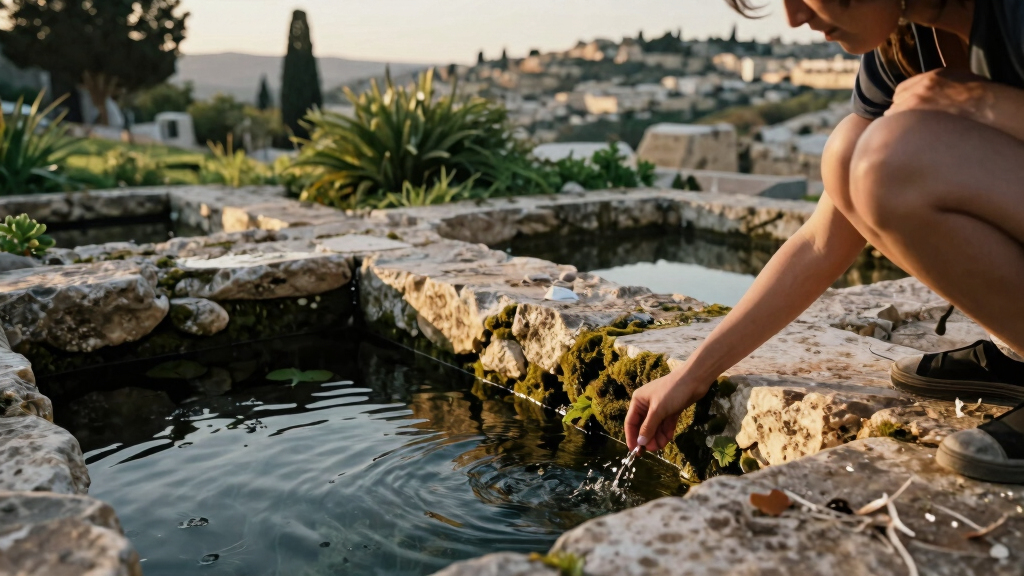
Jerusalem’s Ein Haniya, a hidden spring and ancient pool site, is attracting renewed attention for its historical and cultural significance. The site, located in the northern part of the city, features a natural spring that has supplied water for centuries, along with well-preserved ancient pools. Authorities and archaeologists are highlighting its importance as part of Jerusalem’s water history, though public access remains limited.
Ein Haniya is a natural spring situated in Jerusalem’s northern outskirts, believed to date back to ancient times. Recent efforts by local authorities and archaeologists have focused on documenting and promoting the site’s historical features, including its ancient pools that were likely used for ritual or communal purposes. These pools, carved into stone, are believed to be over a thousand years old, with some dating back to the medieval period.
While the site has long been known locally, it has not been widely accessible or promoted until recent initiatives aimed at highlighting Jerusalem’s lesser-known historical water sources. Experts emphasize that Ein Haniya offers insight into ancient water management and religious practices, as the pools may have served both practical and ceremonial functions. Access to the site is currently limited due to preservation concerns and ongoing archaeological assessments.
Why Ein Haniya’s Historical Water Features Matter Today
The site’s significance lies in its role in understanding Jerusalem’s ancient water systems and religious practices. As a natural spring feeding into the pools, Ein Haniya exemplifies how water sources were integrated into the city’s life and spiritual rituals. Its preservation offers a tangible connection to Jerusalem’s past, which is increasingly rare amid urban development. Highlighting such sites can enhance cultural tourism and educational opportunities, fostering a deeper appreciation of Jerusalem’s layered history.
Jerusalem historical water spring tour
As an affiliate, we earn on qualifying purchases.
As an affiliate, we earn on qualifying purchases.
Historical and Archaeological Context of Jerusalem’s Water Sites
Jerusalem’s water history is complex, with ancient aqueducts, springs, and pools playing crucial roles in sustaining the city. Many water sources, including the nearby Gihon Spring, have been central to Jerusalem’s development since biblical times. While some sites have been extensively excavated and preserved, others like Ein Haniya remain relatively obscure. Recent archaeological surveys have uncovered artifacts suggesting continuous use of the spring and pools through different historical periods, from the Byzantine era to the medieval period.
In recent years, there has been increased interest in documenting Jerusalem’s lesser-known water sites, partly driven by heritage preservation efforts and tourism development. The site’s proximity to other historic locations makes it a valuable piece of the city’s water and religious history.
“Ein Haniya provides a rare glimpse into Jerusalem’s ancient water management, with its well-preserved pools and spring offering insights into historical rituals and daily life.”
— Dr. Miriam Cohen, Archaeologist
Current Preservation and Access Challenges at Ein Haniya
Details about the extent of archaeological excavations, preservation measures, and public access are still developing. It is not yet clear whether the site will be fully opened to visitors or remain restricted due to ongoing preservation concerns. Additionally, the full historical timeline and significance of the pools require further research, with some claims based on preliminary findings.
Next Steps in Exploring and Protecting Ein Haniya
Authorities plan to conduct further archaeological excavations and assessments to better understand the site’s history. There are also discussions about developing controlled access for educational and tourism purposes while ensuring preservation. Future initiatives may include guided tours, informational signage, and integration into Jerusalem’s heritage trail.
Key Questions
What is Ein Haniya?
Ein Haniya is a natural spring in Jerusalem accompanied by ancient pools, believed to date back to medieval and earlier periods. It is part of the city’s historical water infrastructure.
Why is Ein Haniya important?
The site offers insights into Jerusalem’s ancient water management, religious practices, and daily life, making it a valuable cultural heritage location.
Can the public visit Ein Haniya now?
Public access is currently limited due to preservation concerns and ongoing archaeological work. Future plans may include controlled visits.
What are the plans for the site’s future?
Authorities aim to conduct further excavations, improve preservation, and develop educational and tourism facilities while safeguarding the site’s integrity.
How does this site compare to other water sites in Jerusalem?
Ein Haniya is less known than major springs like the Gihon, but it provides important insights into local water use and religious practices across different periods.
Source: local
Halloween Picks
halloween
As an affiliate, we earn on qualifying purchases.