
If your generator is loud, it can quickly turn a peaceful neighborhood into a noisy one, disrupting daily routines and upsetting neighbors. High noise levels from generators amplify existing noise pollution, making conversations difficult and sleep hard to find. Proper placement and soundproofing are essential to keep the noise contained. Carefully considering wind direction, surfaces, and local regulations can help minimize disturbance. Keep exploring how these strategies can protect your community’s peace and quiet.

Get travel and outdoor gear delivered free with Prime
- Fast, free delivery on millions of items
- Prime Video, Amazon Music and more included
- Member-only deals all year
Key Takeaways
- Excessive generator noise disrupts daily activities, causing residents to alter outdoor routines and reduce neighborhood interactions.
- Persistent loud noise can lead to complaints, legal fines, and restrictions on generator use in urban areas.
- Noise pollution from generators may prompt neighbors to install soundproof barriers or relocate outdoor spaces.
- Increased noise levels can diminish property values and deter potential buyers or renters.
- Communities may implement stricter regulations or designated quiet zones to manage generator noise impacts.
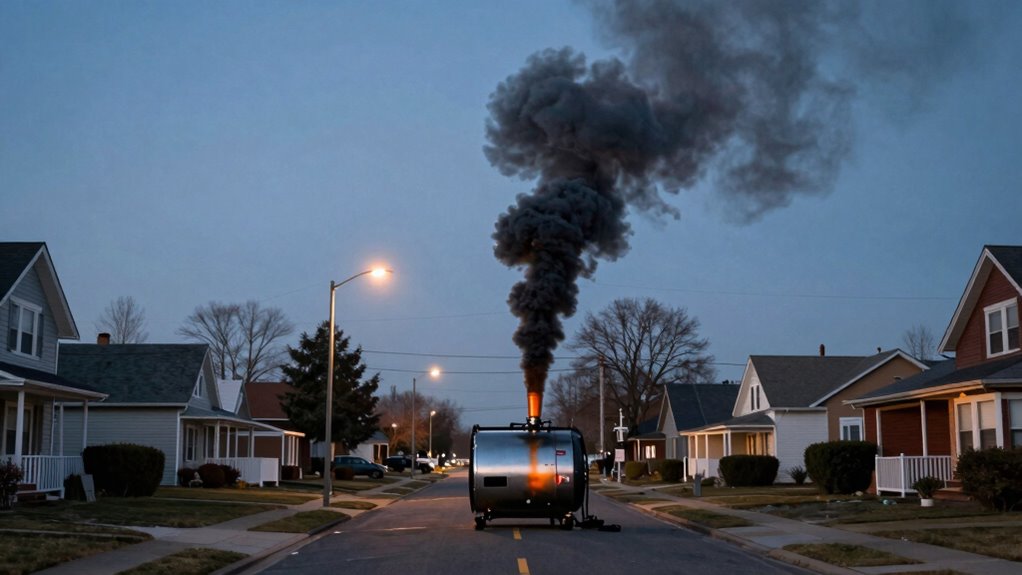
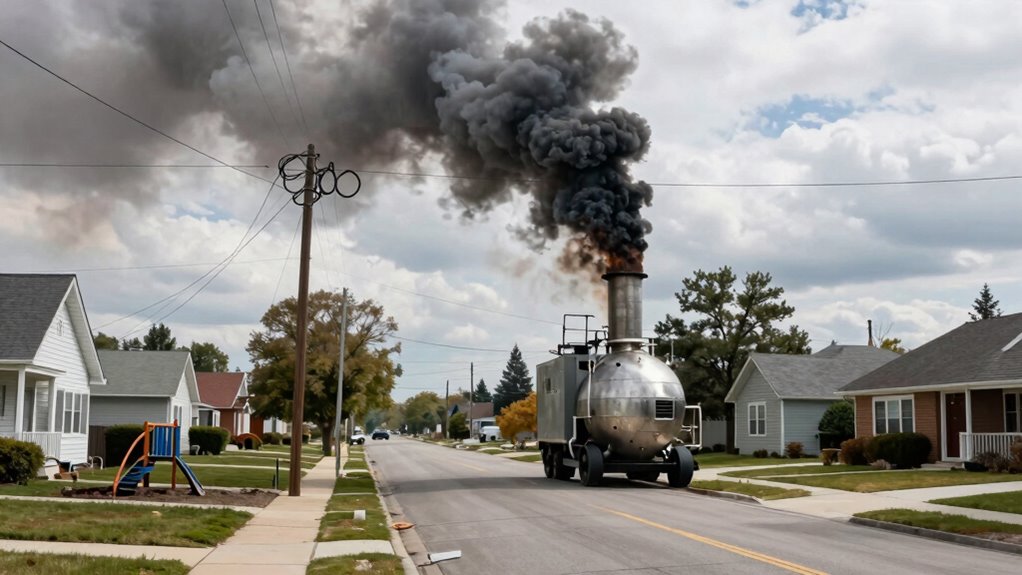
Have you ever been bothered by loud generator noise when relying on backup power? If so, you’re not alone. In urban environments, noise pollution is a constant concern, and generators can amplify this issue considerably. When you install a generator, its placement becomes essential. Positioning it too close to your home or nearby residences can turn a practical backup solution into a source of urban noise that disrupts daily life. The sound waves from a generator, especially during prolonged use, can echo through neighborhoods, making conversations difficult and even disturbing sleep.
Choosing the right location involves strategic planning. You need to think about prevailing wind directions, proximity to neighbors, and local noise ordinances. Placing a generator in a garage, basement, or enclosed shed might seem like a good idea, but if ventilation isn’t adequate, it can create dangerous fumes. On the other hand, placing it outside in a well-ventilated space but too close to your living area can result in persistent noise pollution. As you evaluate your options, remember that urban noise levels are already high, and adding a loud generator can tip the balance, turning a helpful device into a neighborhood nuisance. Additionally, understanding how noise travels can help you make better placement decisions, especially when considering sound propagation in confined or reflective spaces. Being aware of how sound interacts with different surfaces can guide you in designing effective sound barriers.
Proper generator placement also involves thinking about how sound travels. The proximity to windows, walls, and other reflective surfaces can amplify noise levels, making the sound more intrusive. If you’re trying to keep the noise down, consider installing barriers or soundproof enclosures. These measures don’t just reduce noise for your household—they also minimize the impact on your neighbors, helping maintain community harmony. Many cities have strict noise ordinances, which means exceeding certain decibel levels can lead to fines or other penalties. Being proactive in how and where you position your generator can help you avoid legal issues and keep your neighborhood peaceful. It is also helpful to understand urban noise factors, as understanding these can further aid in choosing an optimal location.
Ultimately, managing generator noise in urban settings is about balancing your need for backup power with respect for your surroundings. Thoughtful generator placement can make a large difference. It’s about finding a location that keeps the noise contained while ensuring the generator operates safely and effectively. Considering soundproofing techniques can significantly reduce noise transmission and improve overall community comfort. Being aware of sound interactions with different surfaces can help you better plan for noise mitigation strategies. By considering urban noise factors and strategically placing your generator, you help preserve a quiet, comfortable environment for everyone. This way, you get the backup power you need without turning your neighborhood into a constant noise source, protecting your relationships and community well-being.
As an affiliate, we earn on qualifying purchases.
Frequently Asked Questions
How Long Does Generator Noise Typically Last During Outages?
During outages, generator noise usually lasts as long as the generator runs, which can range from a few hours to several days depending on your power needs. To minimize noise, guarantee regular generator maintenance and consider soundproofing techniques like installing barriers or enclosures. These steps help reduce disturbance in your neighborhood, especially during extended outages, making the situation more tolerable for everyone involved.
Are There Specific Noise Levels Regulated by Law?
Yes, there are legal noise limits you need to follow. Local regulations often set maximum noise pollution levels to prevent disturbances, especially for generators. These legal noise limits vary by area, but generally, they restrict noise during certain hours and specify decibel levels you can’t surpass. You should check your local ordinances to guarantee your generator stays within these limits, avoiding potential fines or complaints.
Can Noise Barriers Effectively Reduce Generator Noise?
Yes, noise barriers can effectively reduce generator noise, especially when combined with generator soundproofing. Their effectiveness depends on proper design, placement, and material choice. You should guarantee the barrier is high and dense enough to block sound waves, and soundproofing measures on the generator itself help minimize noise emissions. This combined approach can considerably lessen noise disturbance, making neighborhoods more livable despite nearby generator operations.
Do Certain Generator Models Produce Less Noise?
Yes, certain generator models produce less noise due to improved design and quieter engines. Regular generator maintenance, like checking exhaust systems and lubricating moving parts, enhances noise mitigation. When selecting a generator, look for models labeled as “quiet” or “low noise,” and consider installing noise barriers. Proper maintenance keeps the generator running smoothly, reducing unnecessary noise and helping your neighborhood stay peaceful while still providing reliable power.
How Does Generator Noise Impact Nearby Wildlife?
Generator noise can considerably impact nearby wildlife by increasing stress levels and causing habitat disruption. Your noise-producing generator may scare away animals, disrupt feeding and breeding behaviors, and force species to relocate. Investigating this, experts confirm that loud sounds disturb wildlife, reducing their chances of survival. So, by reducing generator noise, you help preserve local ecosystems and maintain the balance of habitat use for the animals nearby.
Conclusion
In the end, ignoring generator noise isn’t just about disturbance—it’s about the silent erosion of community harmony. When your neighbors’ peace is sacrificed for a quick fix, you risk turning neighborhoods into noisy battlegrounds. Remember, what we tolerate today shapes the environment we live in tomorrow. So, ask yourself: will you be a builder of peaceful coexistence or a contributor to discord? Choose wisely—noise may fade, but its impact echoes forever.
Halloween Picks
halloween
As an affiliate, we earn on qualifying purchases.