
TL;DR

Get travel and outdoor gear delivered free with Prime
- Fast, free delivery on millions of items
- Prime Video, Amazon Music and more included
- Member-only deals all year
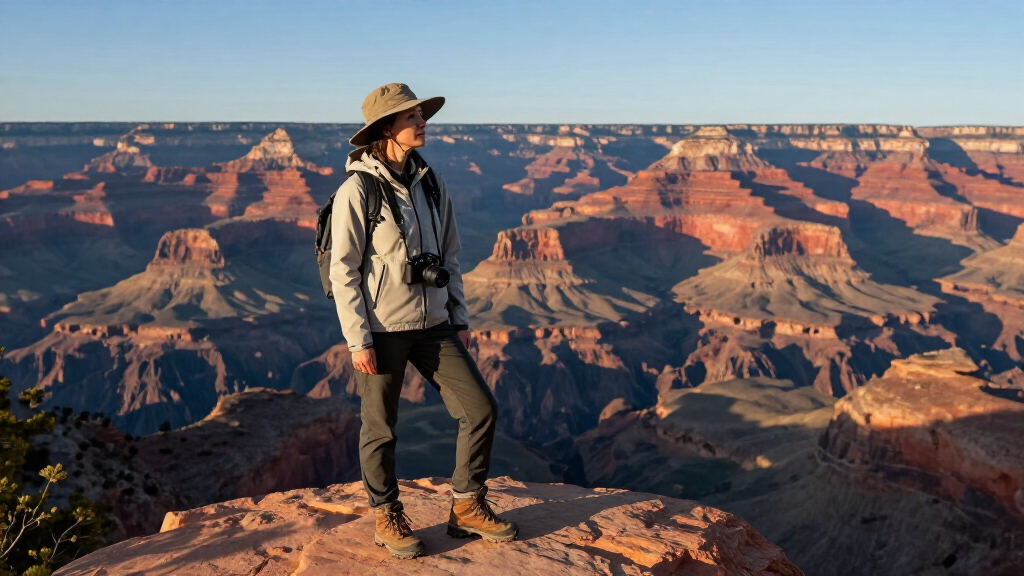
The Grand Canyon in Arizona is experiencing a notable surge in global media coverage and search interest, with mentions increasing 17 times above baseline. The reason for this spike remains unconfirmed, but it signals heightened international attention.
Media coverage and online search interest in the Grand Canyon, Arizona, have surged dramatically, with recent data showing 40 mentions within a specific time window—an increase of 17 times the baseline. This spike indicates a sudden rise in international attention toward the iconic natural site, though the specific cause remains unconfirmed.
According to the latest data from GDELT, the Grand Canyon has been mentioned 40 times in global media outlets and online sources during the recent reporting window. This figure represents a 17-fold increase compared to typical coverage levels, which are usually much lower. The surge in mentions suggests a significant spike in media interest and public curiosity. For more about notable natural sites, see the Grand Canyon’s recent coverage. It is important to note that no official statements or events have been identified as the trigger for this increase, and the reasons behind the heightened coverage are currently unconfirmed. Experts and analysts are observing the trend but have not yet identified a specific incident, announcement, or development that could explain the spike. You can explore other national parks with rising coverage, such as Grand Teton National Park. The phenomenon appears to be a trend signal rather than the result of a single news event.Implications of the Global Media Surge on the Grand Canyon
This surge in coverage indicates increased international interest in the Grand Canyon, which could influence tourism, environmental awareness, and regional visibility. Elevated media attention may lead to higher visitor numbers, potentially affecting local infrastructure and conservation efforts. It also raises questions about whether a specific event, such as a viral story, environmental development, or geopolitical factor, is driving the attention. For stakeholders in tourism, environmental management, and regional development, understanding the cause and potential consequences of this trend is important. However, without confirmed details, it remains uncertain whether this surge reflects a temporary spike or a longer-term shift in global perception of the site.
As an affiliate, we earn on qualifying purchases.
Recent Trends in Media and Search Interest for the Grand Canyon
The Grand Canyon has long been recognized globally as a natural wonder, attracting millions of visitors annually. Typically, media coverage peaks during major events like anniversaries, environmental reports, or travel campaigns. Recent data from GDELT shows an unprecedented spike in mentions—40 in the current window—compared to a much lower baseline. This increase is not linked to any specific event or official statement, suggesting it may be part of a broader trend or a viral phenomenon. The timing coincides with increased social media activity around natural landmarks, though specific causes are still being investigated. This pattern could reflect growing global interest in environmental issues, travel trends, or other factors not yet identified.
Unconfirmed Causes Behind the Coverage Spike
It is unclear what specific event, news, or development has triggered the surge in global coverage of the Grand Canyon. No official statements, viral stories, or environmental incidents have been linked to the increase. Analysts caution that this may be a trend signal rather than the result of a discrete incident, and the underlying cause remains unknown at this stage. Further investigation is needed to determine whether the spike is temporary or indicative of a broader shift in interest.
Monitoring for Potential Developments or Confirmed Causes
Experts and media analysts will continue to track mentions and coverage levels to identify any emerging event or news that could explain the surge. Stakeholders in tourism, environmental management, and regional development should watch for official announcements or viral stories that might be driving interest. Additional data analysis may reveal whether this trend sustains or diminishes in the coming days, providing insight into its significance and potential impact.
Key Questions
What caused the surge in media coverage of the Grand Canyon?
It is currently unknown. No specific event or announcement has been confirmed as the trigger for the increase in mentions and search interest.
How significant is this increase in coverage?
The coverage has increased 17 times above the usual baseline, which is a notable spike but its long-term significance remains uncertain.
Could this affect tourism at the Grand Canyon?
Potentially. Increased media attention can lead to higher visitor interest, but whether this will translate into sustained tourism growth depends on future developments and official responses.
Is this related to any recent events or news?
At this stage, there is no confirmed link to any recent event or news story. The spike appears to be a trend signal without a clear cause.
Source: gdelt
Halloween Picks
halloween
As an affiliate, we earn on qualifying purchases.