

When traveling, ask if your security system seamlessly integrates with your existing smart devices like cameras, locks, and sensors, ensuring you can monitor and control everything remotely. Clarify if the system offers real-time alerts, two-way communication, and quick emergency response protocols to keep you informed and protected. Confirm that the system stays updated and reliable, so it functions perfectly even when you’re away. Keep exploring to discover how to make your home even safer during your travels.

Get travel and outdoor gear delivered free with Prime
- Fast, free delivery on millions of items
- Prime Video, Amazon Music and more included
- Member-only deals all year
Key Takeaways
- Does the security system support seamless smart home device integration for remote monitoring?
- Are emergency response protocols clear, quick, and capable of notifying authorities automatically?
- Is the system reliable and interoperable across various devices to prevent malfunctions during emergencies?
- Can you communicate in real-time with home occupants or responders via two-way audio?
- Are system updates handled automatically to ensure ongoing protection against emerging threats?
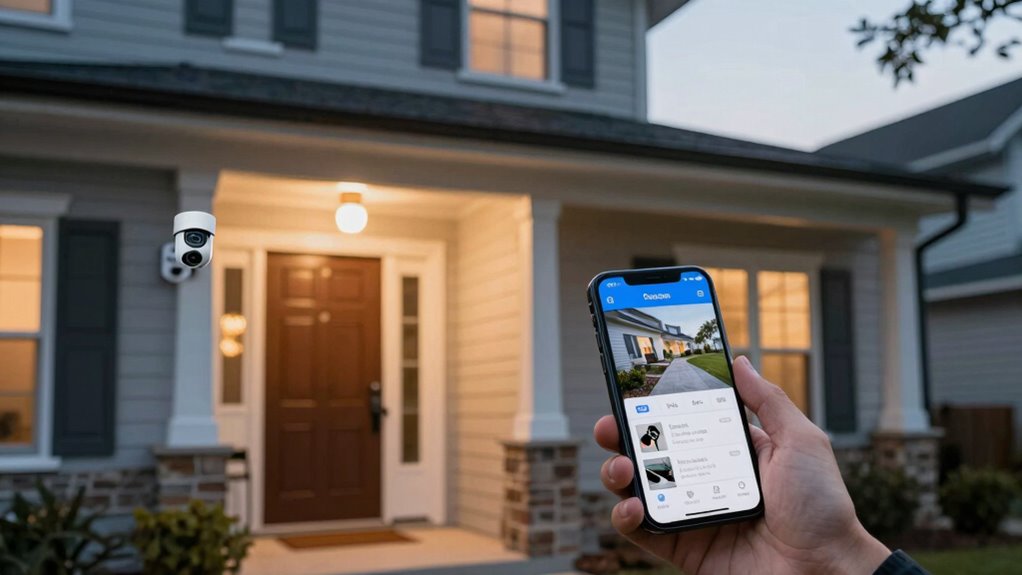
When you’re traveling, guaranteeing your home stays secure can feel like a challenge. You want peace of mind knowing your place is protected, but understanding what security measures are in place isn’t always straightforward. The first question you should ask your home security provider is about their system’s ability to integrate with your smart home devices. Smart home integration allows you to connect security cameras, locks, sensors, and alarms to a centralized platform, giving you control from anywhere. This means you can lock doors remotely, monitor live feeds, and receive instant alerts if something unusual happens. Knowing whether the security system is compatible with your existing smart home setup helps verify seamless operation, saving you from the frustration of incompatible devices or disjointed controls. Additionally, inquire about the system’s compatibility with smart devices to ensure smooth operation. Beyond just integration, it’s vital to inquire about their emergency response protocols. When an alarm triggers or suspicious activity is detected, what actions does the security company take? Do they notify you immediately? Do they contact local authorities on your behalf? Understanding their process helps you assess how quickly and effectively they respond to potential threats. A reliable security provider should have clear, well-established protocols that prioritize swift action—whether that’s alerting you directly, dispatching emergency responders, or both. This knowledge helps you feel confident that your home isn’t left vulnerable if an incident occurs while you’re away. It’s also important to consider the reliability of the emergency response, as quick and effective action is crucial in protecting your property. Ensuring the system’s interoperability with various devices can prevent delays or malfunctions during urgent situations. Another important aspect tied to emergency response is the system’s real-time communication capabilities. Ask if the security service offers two-way audio, so you can communicate with anyone at your home in case of an emergency. This feature can be invaluable for deterring intruders or confirming situations before authorities arrive. Additionally, find out whether the system allows for remote management, giving you control over settings and alerts no matter where you are. Incorporating real-time communication features can significantly enhance your ability to respond swiftly to unexpected situations. It’s also beneficial to inquire about how the system handles security system updates, as ongoing updates can improve functionality and address emerging threats. The more integrated and responsive the system, the better prepared you’ll be to handle any unexpected situation during your travels. In essence, your primary questions should revolve around how well the security system integrates with your smart home technology and how efficiently the company’s emergency response protocols operate. These questions guarantee your home’s security isn’t just a static setup but a dynamic, responsive system that keeps you informed and protected at all times. Traveling without worry depends on having a clear understanding of how your security provider manages emergencies and how smoothly their technology works with your existing devices. Asking these questions upfront helps you choose a system that truly safeguards your home, giving you peace of mind no matter where your journeys take you.
smart home security system with remote monitoring
As an affiliate, we earn on qualifying purchases.
As an affiliate, we earn on qualifying purchases.
Frequently Asked Questions
Do Monitoring Services Work Internationally?
Monitoring services can work internationally, but you need to check their international coverage first. Some providers offer global monitoring, ensuring your security system stays active abroad. Additionally, look for language support so you can communicate effectively if an alarm goes off. Confirming these features helps you avoid surprises and guarantees your home stays protected no matter where you travel. Always verify the details before choosing a service for international travel.
What Are the Costs for Remote Monitoring?
Remote monitoring costs vary depending on the provider, service features, and contract length, but generally range from $20 to $60 per month. To find the best deal, do a cost comparison of different plans, considering features like 24/7 monitoring, mobile alerts, and professional response. Keep in mind that some providers may charge setup fees or offer discounts for long-term commitments, so weigh these factors carefully.
How Quickly Are Authorities Notified During an Alarm?
Alarm response times vary based on your security provider and location, but generally, authorities are notified within seconds to a few minutes through their emergency notification protocols. You should ask your provider how quickly they alert authorities during an alarm, ensuring swift response. Fast alarm response times are vital for safety, so understanding their emergency notification protocols helps you know how effectively they protect your property and loved ones when an incident occurs.
Can I Access My Security System Remotely?
Yes, you can access your security system remotely, giving you peace of mind no matter where you are. Imagine checking your home’s safety during a trip, thanks to home automation features that let you monitor and control your security. But be cautious—privacy concerns arise with remote access, so verify your system’s security settings are robust. Stay vigilant; your peace of mind depends on it.
Are There Language Barriers With Monitoring Centers?
Yes, language barriers can exist with monitoring centers, so it’s essential to take language compatibility and cultural considerations into account before choosing a provider. Make sure they offer support in your preferred language to avoid miscommunication during emergencies. Ask about multilingual staff or translation services. Clear communication is critical for effective security monitoring, so verifying these details guarantees you’ll feel confident and understood when you need help most.
Conclusion
Before you set sail on your adventures, ask about home security monitoring to keep your castle safe. Don’t be caught like a fish out of water without peace of mind. Make sure your chosen system offers reliable, 24/7 protection, so you can focus on making memories instead of worrying about your doorstep. Think of it as your modern-day armor—better than chainmail—guarding your home no matter where your travels take you.
Halloween Picks
halloween
As an affiliate, we earn on qualifying purchases.