
This guide helps travelers choose the right compact backpack and pack it efficiently for short trips or minimal luggage requirements. It is suitable for beginners and experienced travelers seeking practical packing tips to maximize space and comfort. By following these steps, you will be able to select a backpack that fits your needs and pack it effectively for organized travel.

Get travel and outdoor gear delivered free with Prime
- Fast, free delivery on millions of items
- Prime Video, Amazon Music and more included
- Member-only deals all year
Difficulty: Beginner | Time: 30-45 minutes
What You’ll Need
Tools & Materials:
- None needed
Knowledge:
- Basic understanding of packing essentials
Prepare a list of your trip essentials to streamline packing. Measure yourself to ensure the backpack fits comfortably when filled.
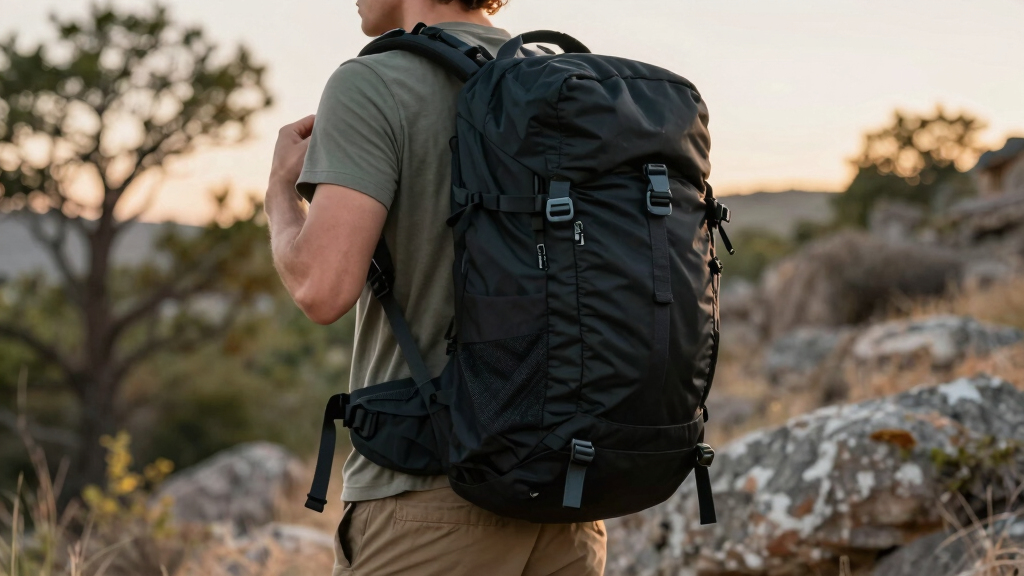
compact travel backpack with multiple compartments
As an affiliate, we earn on qualifying purchases.
As an affiliate, we earn on qualifying purchases.
Before You Start
Ensure your travel plans are clear—know trip duration, destination climate, and activities. Avoid overpacking by listing only necessary items. Check backpack dimensions to confirm it meets airline carry-on size limits if relevant.
Step-by-Step Instructions
Step 1: Identify your travel needs
Determine the duration, destination climate, and activities planned to decide on the essential items to pack and the ideal backpack size.
Tip: Use a packing list tailored to your trip to avoid overpacking or forgetting essentials.
Check: You have a clear list of essentials and a backpack size suitable for your trip length and activities.
Step 2: Select a suitable compact backpack
Choose a backpack that is lightweight, fits within airline carry-on size limits if needed, and has compartments for organization. Look for adjustable straps and durable materials.
Tip: Opt for a backpack with multiple compartments to separate clothing, electronics, and toiletries for easy access.
Check: The backpack fits your body comfortably, and its size is appropriate for your trip duration.
Step 3: Lay out all items to pack
Place all your essentials on a flat surface, group similar items, and review your list to ensure nothing is forgotten.
Tip: Use packing cubes or pouches to organize items and maximize space.
Check: All items are accounted for and organized for efficient packing.
Step 4: Pack clothing efficiently
Roll clothing tightly or fold neatly, placing heavier items at the bottom and lighter items on top. Use packing cubes to compress and organize clothing.
Tip: Roll casual clothes and fold delicate or formal wear to prevent wrinkles.
Check: Clothing fits compactly without overstuffing the backpack, leaving room for other essentials.
Step 5: Place essentials and electronics
Pack toiletries in a clear, sealable bag; place electronics and chargers in accessible compartments. Use cable organizers to prevent tangling.
Tip: Keep frequently used items near the top for easy access during travel.
Check: Electronics and toiletries are secure, organized, and easily reachable.
Step 6: Fill remaining space with accessories and extras
Use any remaining space for small accessories, snacks, or a lightweight jacket. Fill gaps with smaller items to prevent shifting.
Tip: Avoid overpacking to maintain a manageable weight and size for carrying.
Check: The backpack is evenly packed, stable, and not overstuffed.
Step 7: Secure and adjust straps
Fasten all straps, tighten shoulder straps, and check that the backpack sits comfortably on your back without strain.
Tip: Adjust straps to distribute weight evenly and prevent discomfort during travel.
Check: Backpack feels balanced, and straps are snug but comfortable.
Common Mistakes to Avoid
- Overpacking and exceeding the backpack’s capacity — Limit yourself to essentials, use packing cubes, and leave some space for souvenirs or additional items.
- Packing items loosely or unevenly — Roll or fold items compactly and use organizational pouches to maintain structure.
- Forgetting important items or packing duplicates — Create and follow a detailed packing list, double-check before sealing the bag.
- Ignoring weight limits or backpack comfort — Weigh the packed backpack and adjust contents to stay within recommended weight and ensure comfort.
Troubleshooting
Problem: Backpack feels too heavy or uncomfortable
Solution: Reduce non-essentials, redistribute weight evenly, and adjust straps for better fit.
Problem: Items are crammed and difficult to access
Solution: Reorganize using packing cubes, prioritize items you need during travel, and leave some space.
Problem: Items shift or fall out during movement
Solution: Secure loose items in compartments or pouches, and ensure zippers and closures are fully closed.
What Success Looks Like
The backpack sits comfortably on your back, all essentials are organized and accessible, and the packed weight is manageable for carrying or stowing. The backpack maintains its shape and compactness during movement.
Next Steps
Test the backpack by wearing it for a short walk to check comfort. Repack as needed before your trip. After travel, unpack gently to preserve organization, and adjust packing for future trips based on experience.
Frequently Asked Questions
How do I choose the right size backpack for my trip?
Select a backpack that fits your body comfortably and meets airline carry-on size limits if flying. For short trips, 20-30 liters capacity is usually sufficient.
How can I maximize space in a small backpack?
Use rolling techniques, packing cubes, and compressible clothing. Fill gaps with small items and avoid overpacking.
What should I do if my backpack feels too heavy?
Reduce non-essential items, distribute weight evenly, and choose lighter gear when possible. Always test the weight before traveling.
How do I keep my items organized during travel?
Use packing cubes or pouches for different categories of items and keep frequently used items accessible at the top.
Columbus Day / Indigenous Peoples' Day Picks
long weekend sales
As an affiliate, we earn on qualifying purchases.