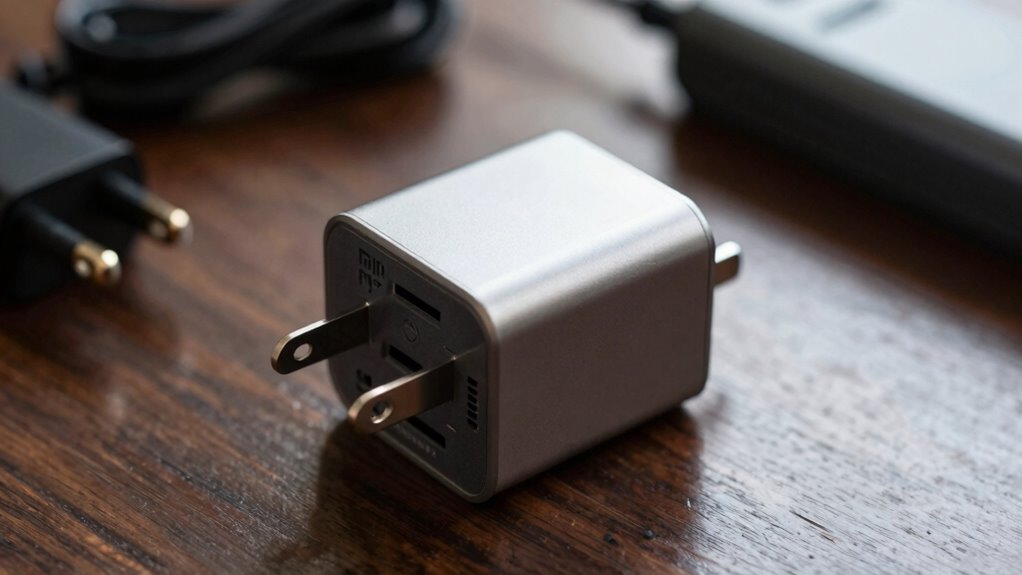

Your travel adapter may keep failing due to power surges, faulty wiring, or incompatible specs like voltage and wattage. Surges from lightning or unstable grids can overload and damage internal parts, especially if your adapter lacks surge protection. Using an incompatible adapter with your device’s voltage or current needs can cause overheating or failure. Ensuring proper grounding and matching the right specs can improve longevity—exploring these factors further can help you avoid frequent failures.
Key Takeaways
- Power surges from lightning or unstable grids can overload adapters, causing failure without surge protection.
- Faulty or damaged wiring at outlets increases the risk of electrical spikes damaging your adapter.
- Using an adapter with incompatible voltage or wattage ratings can lead to overheating and internal damage.
- Lack of proper grounding and surge protection leaves your adapter vulnerable to voltage spikes.
- Not matching adapter specs to your device’s power requirements or local standards can cause malfunction and early failure.
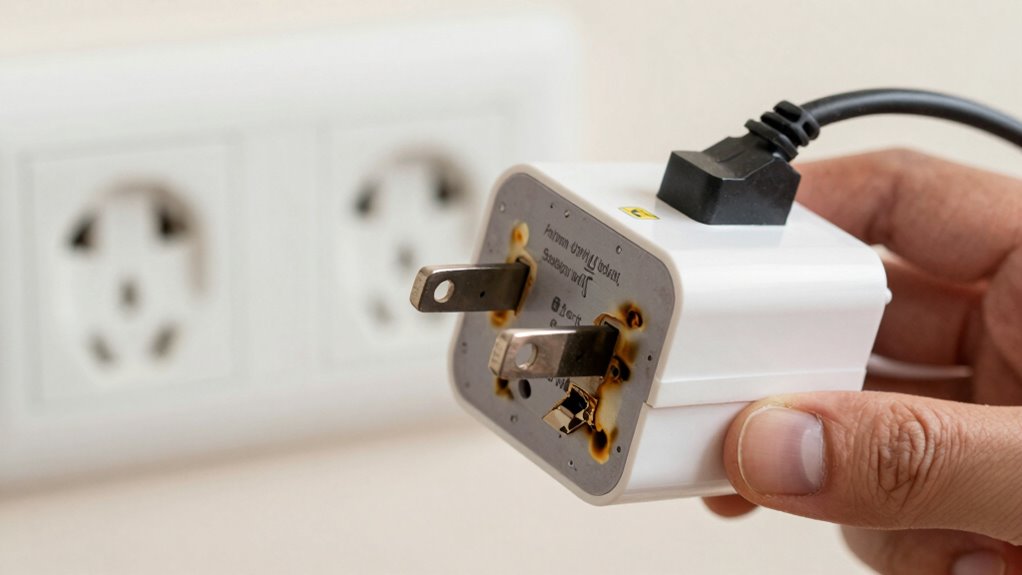
Have you ever plugged in your travel adapter only to find it suddenly stops working? It’s frustrating, especially when you’re in the middle of your trip and rely on your devices. Several factors can cause this issue, but understanding the common culprits can help you prevent future failures. One of the most frequent reasons is a power surge. When you connect your adapter to an outlet that experiences a sudden spike in voltage, it can overload the device. Power surges might happen due to lightning strikes, fluctuations in local power grids, or even faulty wiring in the building. If your adapter isn’t equipped with surge protection, this sudden voltage increase can damage its internal components, rendering it useless.
Power surges can damage your travel adapter if it’s not surge-protected.
Faulty wiring is another significant problem. If the electrical wiring in your accommodation is old, damaged, or improperly installed, it can lead to inconsistent power supply or short circuits. These issues can cause your travel adapter to malfunction or fail prematurely. Faulty wiring might not be immediately obvious, but signs include flickering lights, frequent circuit breaker trips, or a burning smell near outlets. When you plug your adapter into such an outlet, the unstable electrical flow can damage your device over time or instantly if the wiring is severely compromised. Always inspect outlets and avoid using adapters in rooms with visible electrical issues, as this can save you from costly replacements and potential safety hazards.
Beyond external issues like power surges and faulty wiring, the internal specifications of your travel adapter play a vital role in its durability and performance. Not all adapters are created equal, and using one with inadequate voltage or current ratings can lead to failure. For instance, if your adapter isn’t rated for the voltage of the country you’re visiting, it might not handle the power load properly, causing overheating or internal damage. Similarly, using an adapter with insufficient wattage capacity for your device can result in slow charging, overheating, or complete failure. Always check that your adapter’s specifications match the requirements of your devices and the electrical standards of the destination country.
Additionally, ensuring your travel adapter is compatible with the local electrical standards and includes features like proper grounding can significantly reduce the risk of damage. In essence, understanding the importance of proper specifications and being cautious about the electrical environment where you plug in your devices can extend your travel adapter’s lifespan. Protecting it from power surges with built-in surge protection or using a surge protector can make a big difference. Avoid outlets with known wiring issues, and choose an adapter that matches your device’s power needs. Doing so not only prevents unexpected failures but also keeps you and your devices safe during your travels.

Ceptics 35W Universal Travel Adapter Kit – 2 USA sockets, USB-A, USBC, 1x PD 35W USB-C and USBC Cable, Surge Protected, Plugs for EU, UK, China, AU, Japan – for Laptop, Phone, Camera-ETL Tested
International Power Adapter:Equipped with 2 USA outlets, 1x USB-A (3A), 1x USB-C and 1x PD 35W USB-C and…
As an affiliate, we earn on qualifying purchases.
As an affiliate, we earn on qualifying purchases.
Frequently Asked Questions
Can Using a Damaged Adapter Cause Safety Hazards?
Yes, using a damaged adapter can pose safety hazards. It risks electrical safety issues, such as sparks, short circuits, or fires. A damaged adapter might also be incompatible with your device, leading to malfunction or damage. Always check for visible damage before use, and verify your adapter matches your device’s specifications. Protect yourself and your equipment by replacing damaged adapters promptly to avoid potential safety risks.
How Often Should I Replace My Travel Adapter?
You should replace your travel adapter every couple of years or if you notice durability concerns like loose parts or damaged plugs. Compatibility issues may also arise over time, making it unsafe or ineffective. Regularly inspect your adapter for signs of wear and tear, and don’t hesitate to upgrade if it no longer fits your devices properly or shows any damage. Staying proactive guarantees safe and reliable travel.
Do All Adapters Support Fast Charging?
Like a loyal companion, not all adapters support fast charging. You need to check your charger compatibility and verify voltage compatibility with your device. Some adapters are built for quick power delivery, while others only provide basic charging. Before you travel, confirm these specs to avoid disappointment. Remember, a mismatched adapter can slow your device down or even cause damage, so choose wisely for speedy, safe charging on the go.
Is It Safe to Use a Universal Adapter for Multiple Devices?
Using a universal adapter for multiple devices can be safe if you check its compatibility issues and guarantee it handles different voltage mismatches. You should verify that the adapter supports the voltage and plug types of your devices. Avoid forcing incompatible devices into the adapter, as this can cause damage or safety hazards. Always read the specifications carefully and use an adapter designed for your device’s power requirements to stay safe.
What Are Signs My Adapter Is Overheating or Failing?
Your adapter’s showing signs of overheating or failing if it gets unusually hot during use, emits a burning smell, or sparks when plugged in. These overheating indicators point to poor adapter durability and potential hazards. If you notice these signs, stop using it immediately. Ignoring them risks damaging your devices or causing electrical fires. Always prioritize safety over saving a few bucks—your travel adventures deserve reliable, well-functioning gear.
Ceptics 35W Universal Travel Adapter Kit – 2 USA sockets, USB-A, USBC, 1x PD 35W USB-C and USBC Cable, Surge Protected, Plugs for EU, UK, China, AU, Japan – for Laptop, Phone, Camera-ETL Tested
International Power Adapter:Equipped with 2 USA outlets, 1x USB-A (3A), 1x USB-C and 1x PD 35W USB-C and…
As an affiliate, we earn on qualifying purchases.
As an affiliate, we earn on qualifying purchases.
Conclusion
So, next time your travel adapter lets you down, remember it’s like a fragile bridge across different worlds—if it’s not built with the right specs, it’s bound to break. Pay attention to voltage, amperage, and quality, because these are the pillars supporting your device’s safety and performance. Don’t let a cheap, mismatched adapter be the weak link in your travel gear. Choose wisely, and keep your gadgets powered smoothly like a well-oiled machine on your adventures.

ALLWEI International Travel Adapter 220V to 110V Power Voltage Converter for Hair Straightener/Curling Iron, Universal Power Plug Adapter UK, US, AU, EU, IT, India (White)
✈【Patented product with Patent number: US10270355B1, Perfect for hair straighteners and curling irons within 230W】 Patented technology allows…
As an affiliate, we earn on qualifying purchases.
As an affiliate, we earn on qualifying purchases.
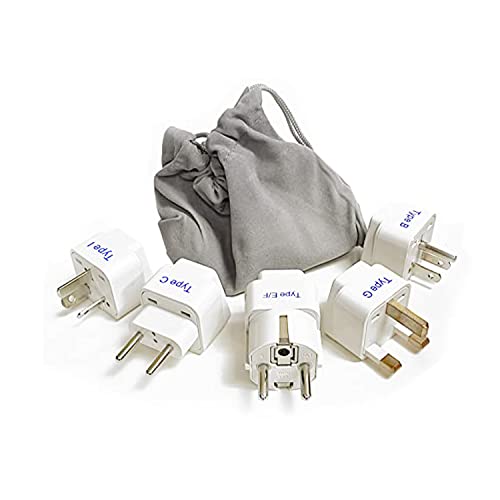
Ceptics Adapter Plug Set for World Wide International Travel Use – Grounded Safe – Works with Cell Phones, Chargers, Batteries, Camera, and More
Type E/Type F plug, European "Schuko" plug, CEE 7/17 (7/4, 7/7) (GP-9)
As an affiliate, we earn on qualifying purchases.
As an affiliate, we earn on qualifying purchases.