
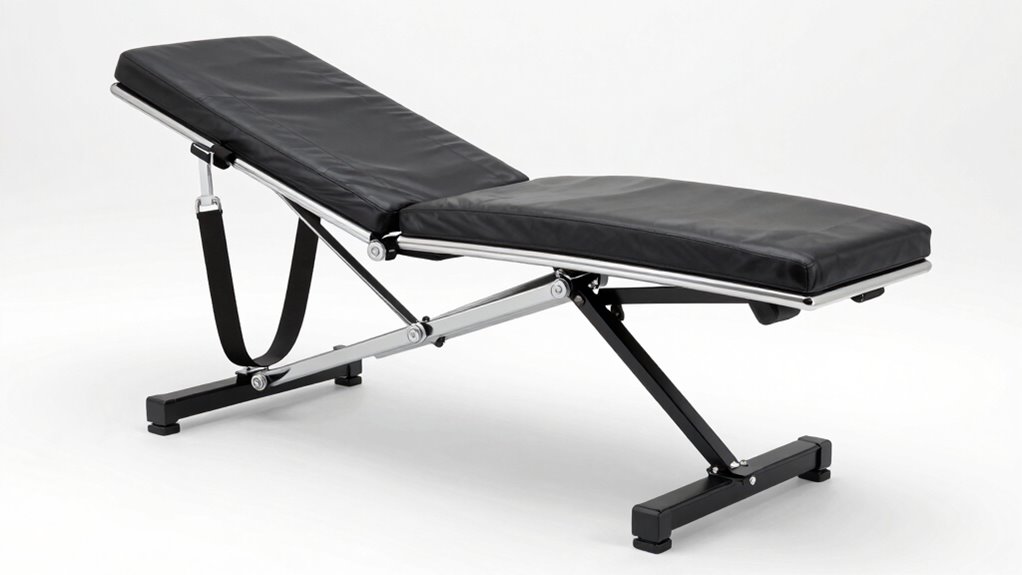
If you have high blood pressure, heart disease, glaucoma, or spinal injuries, you should avoid inversion tables, as they can worsen your condition or cause injuries. Pregnant women and those with osteoporosis or balance issues should also steer clear. Inversion can increase pressure in your eyes, strain your heart, or aggravate spinal problems. To stay safe, consult a healthcare provider if you’re unsure about your suitability—there’s more important information you need to know.

Get travel and outdoor gear delivered free with Prime
- Fast, free delivery on millions of items
- Prime Video, Amazon Music and more included
- Member-only deals all year
Key Takeaways
- Individuals with high blood pressure or hypertension should avoid inversion due to increased blood pressure risks.
- Those with heart disease, stroke history, or circulatory disorders should refrain from inversion therapy.
- Pregnant women and people with eye conditions like glaucoma should not use inversion tables.
- Persons with spinal injuries, fractures, osteoporosis, or severe spinal issues should avoid inversion.
- Individuals with balance problems, dizziness, or recovering from surgery should refrain from inversion use.
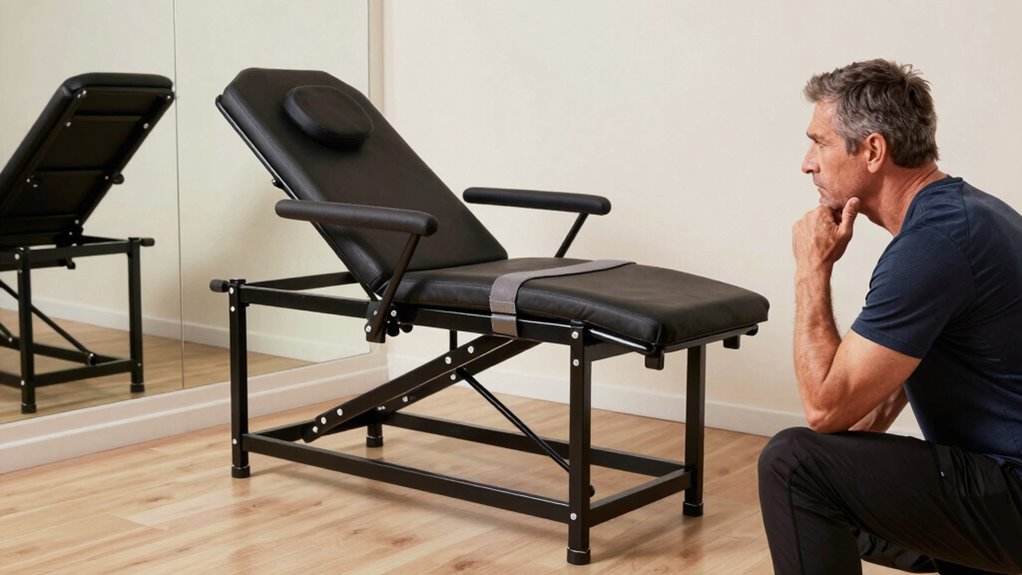
Have you ever wondered how to relieve back pain and improve your spinal health naturally? If you’re considering an inversion table, it’s essential to understand who should avoid using it. While inversion therapy can be beneficial for many, it isn’t suitable for everyone, especially those with specific health conditions. Your spinal health and blood circulation are directly impacted by inversion, making it vital to consult with a healthcare professional before trying it out.
Considering inversion therapy? Know who should avoid it to protect your spinal health and blood circulation.
Inversion tables work by flipping your body upside down or at an angle, which helps decompress your spine. This can ease pressure on your discs and nerves, potentially alleviating back pain and promoting better spinal health. Additionally, being inverted increases blood circulation to your brain and upper body, which some find energizing and advantageous. However, this increased blood flow isn’t safe for everyone. If you have certain health issues, the risks may outweigh the benefits.
People with high blood pressure should be cautious. When inverted, blood pressure can spike, putting extra strain on your cardiovascular system. For individuals already managing hypertension, this could lead to dangerous complications. Similarly, if you have heart disease or a history of stroke, inversion might increase the risk of adverse events due to the sudden changes in blood pressure and circulation. Pregnant women are advised to avoid inversion tables altogether because inversion can affect blood flow to the fetus and cause dizziness or discomfort in the mother.
People with glaucoma or other eye conditions that increase pressure inside the eye should also steer clear. The inverted position can elevate intraocular pressure, which might worsen these conditions. Those with osteoporosis or fragile bones should be cautious, as inversion can place additional stress on weakened bones, increasing the risk of fractures. Additionally, if you suffer from severe spinal conditions such as herniated discs or spinal fractures, inversion could exacerbate your symptoms or cause further injury.
It’s also wise to be cautious if you experience dizziness, vertigo, or balance issues. Inversion can intensify these symptoms, leading to falls or injuries. Anyone recovering from surgery, especially spinal or neck surgery, should consult their doctor before trying inversion therapy. Even if your health seems stable, it’s always best to get personalized advice.
Furthermore, innovative cloud solutions are increasingly utilized to support health monitoring and telemedicine, enabling safer management of certain health conditions related to inversion therapy.
inversion table for back pain relief
As an affiliate, we earn on qualifying purchases.
As an affiliate, we earn on qualifying purchases.
Frequently Asked Questions
Can Inversion Tables Cure Chronic Back Pain?
Inversion tables can’t cure chronic back pain, but they may help by promoting spinal decompression and improving blood circulation. You might experience relief as gravity gently stretches your spine, easing pressure on nerves and discs. However, results vary, and inversion therapy isn’t suitable for everyone. Always consult your healthcare provider before trying it, especially if you have health conditions that could be affected by increased blood circulation or spinal manipulation.
Are Inversion Tables Safe for Pregnant Women?
Ever imagine hanging upside down during pregnancy? Inversion tables are not safe for pregnant women due to pregnancy risks and safety concerns. The increased pressure and altered blood flow could harm you and your baby. It’s best to avoid inversion therapy during pregnancy and consult your healthcare provider for safe alternatives. Protect yourself and your little one by steering clear of inversion tables until you’ve fully recovered postpartum.
How Long Should I Invert During Each Session?
You should invert for about 1 to 5 minutes per session, following duration guidelines to avoid strain. Start with shorter periods and gradually increase as you get comfortable. For best results, limit sessions to 2 to 3 times a week. Always listen to your body, and if you experience discomfort or dizziness, stop immediately. Consistency and moderation are key to safe and effective inversion therapy.
Do Inversion Tables Cause Dizziness or Nausea?
You might feel dizziness or nausea on an inversion table, especially if blood pressure spikes or drops unexpectedly. This can also cause neck strain if you’re not properly supported or invert too quickly. To avoid these issues, start with short sessions, stay hydrated, and listen to your body. If you experience persistent dizziness or discomfort, stop immediately and consult a healthcare professional.
Are There Any Age Restrictions for Using Inversion Tables?
You should be cautious about age restrictions when using inversion tables, especially if you’re elderly or have significant health issues. Physical limitations, like joint problems or cardiovascular conditions, can make inversion unsafe. Always consult your doctor before starting, and follow manufacturer guidelines. If you’re over a certain age or have health concerns, inversion might not be suitable. Prioritize safety and listen to your body’s signals.
Conclusion
Inversion tables might feel like a magic trick to relieve your pain, but they’re not a one-size-fits-all solution. If you have health conditions that act like red flags waving in the wind—like high blood pressure or heart issues—it’s best to steer clear. Think of inversion tables as a delicate dance; if your health conditions are the wrong partners, you might trip and fall. Always listen to your body’s whispers before flipping into action.
Halloween Picks
halloween
As an affiliate, we earn on qualifying purchases.