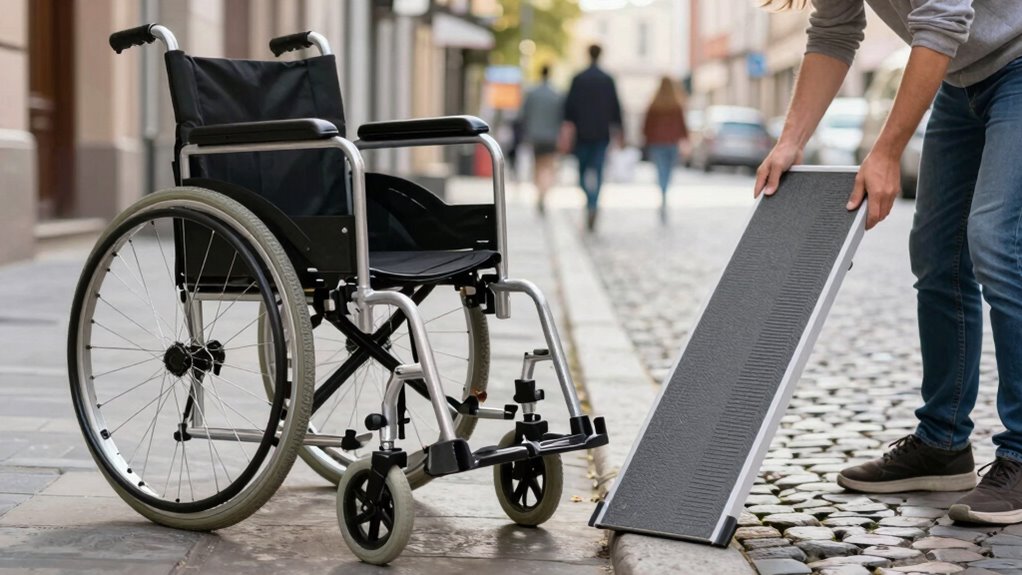

Lightweight wheelchairs need careful port planning because they are more vulnerable to damage from impacts, vibrations, or mishandling during transit. Even small bumps can misalign parts or damage sensitive electronics, affecting safety and comfort. Proper packaging, secure storage, and coordination with shipping providers help prevent issues that could leave the wheelchair unusable or unsafe. If you want to understand how to guarantee a smooth process, keep exploring these important strategies.

Get travel and outdoor gear delivered free — and shop member deals
- Fast, free delivery on millions of items
- Access to Prime Big Deal Days deals on October 6–7
- Prime Video, Amazon Music and more included
Key Takeaways
- Lightweight wheelchairs often contain sensitive electronic components that require secure handling during transit.
- Proper port planning ensures batteries are stored safely to prevent overheating or short circuits.
- Careful packaging maintains structural integrity and preserves user comfort features.
- Coordinating with shipping providers ensures compliance with regulations and smooth customs clearance.
- Thoughtful logistics minimize damage risk and ensure the wheelchair arrives fully functional and ready for use.
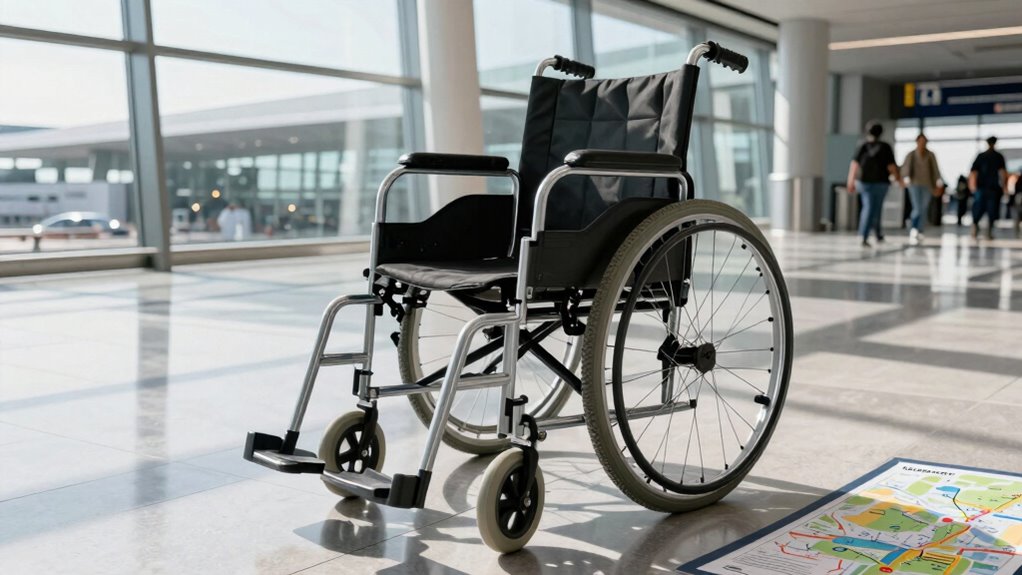
While lightweight wheelchairs are designed for ease of use and portability, they still require careful planning when it comes to shipping and port handling. Even though these wheelchairs are lighter and easier to manage than traditional models, their delicate components and sophisticated features demand attention during transit. Properly managing the battery is essential; you need to confirm it’s securely stored and well-ventilated to prevent overheating or damage. If the wheelchair has a removable battery, make sure it’s disconnected and packed according to airline or shipping regulations. This prevents accidental discharges or short circuits, which could cause delays or safety issues during handling.
Secure and ventilate the battery, disconnect if removable, and follow shipping regulations to ensure safe transit.
User comfort, often overlooked during shipping, is just as critical as battery management. A poorly handled wheelchair can suffer damage that compromises comfort features such as cushioning, adjustable armrests, or leg supports. When planning for port handling, consider how the wheelchair will be packaged to absorb shocks and prevent scratches. Padding around sensitive areas helps preserve the comfort features you rely on daily. Additionally, clear labeling and handling instructions can guide port staff to treat the package with care, reducing the risk of rough handling that might jostle or damage the chair. Incorporating proper packaging techniques ensures the wheelchair’s integrity is maintained throughout transit.
Transporting a lightweight wheelchair isn’t just about getting it from point A to B; it’s about maintaining its integrity so it remains comfortable and fully functional upon arrival. For example, if the wheelchair includes electronic controls or adjustable settings, secure packaging and careful handling prevent misalignments or damage to these delicate parts. Confirming the wheelchair’s structural components stay intact means you won’t have to worry about readjusting or replacing parts once it reaches its destination. Proper planning also involves coordinating with shipping providers who understand the specific needs of medical devices, including battery safety and handling regulations. This includes choosing routes that minimize transit time and handling that reduces vibrations or impacts. Additionally, understanding port procedures can help streamline the shipping process and prevent delays caused by unfamiliarity with medical device regulations.
Furthermore, being aware of the handling regulations specific to medical devices can facilitate smoother customs clearance and reduce the risk of confiscation or delays. In essence, managing the battery correctly and safeguarding user comfort features during shipping aren’t just precautions—they’re essential steps to guarantee that your lightweight wheelchair arrives ready for use. No matter how portable and convenient the wheelchair is, neglecting these details can lead to delays, additional costs, or compromised safety. When you prioritize careful port planning, you’re ensuring that your wheelchair maintains its lightweight advantage without sacrificing safety, comfort, or functionality. Ultimately, thoughtful shipping arrangements protect your investment and make sure that your mobility remains reliable and comfortable every step of the way.
lightweight wheelchair shipping box
As an affiliate, we earn on qualifying purchases.
As an affiliate, we earn on qualifying purchases.
Frequently Asked Questions
How Does Port Size Affect Wheelchair Accessibility?
Port size directly impacts wheelchair accessibility because smaller port dimensions can restrict user access, making it difficult to maneuver or connect the wheelchair properly. Ensuring compliance with accessibility standards means choosing ports that accommodate various user needs and wheelchair dimensions. When port sizes align with these standards, it improves accessibility, allowing for smoother operation and easier connection, ultimately enhancing safety and independence for wheelchair users.
Are There Specific Ports Better Suited for Lightweight Wheelchairs?
Yes, some ports are better suited for lightweight wheelchairs. You should look for ports that support wider openings and smooth edges, which enhance wheelchair compatibility. Portable ramps are essential, making it easier to navigate these ports. Choose ports with adjustable or versatile sizes to accommodate different lightweight wheelchair models comfortably. This guarantees safe, accessible handoffs and prevents damage to your wheelchair or the port itself.
What Are the Common Challenges in Port Planning for Wheelchairs?
Port planning is like steering through a maze with hidden walls—you face accessibility barriers that can block smooth access. You must balance space, user comfort, and safety, often contending with tight or awkward entry points. Common challenges include designing for varied wheelchair sizes, overcoming uneven surfaces, and guaranteeing clear pathways. Addressing these issues proactively guarantees your design promotes seamless movement, making environments welcoming and functional for all users.
How Can I Ensure Wheelchair Safety During Transport Through Ports?
To make certain wheelchair safety during port transport, you should secure it properly to prevent movement during customs clearance and cargo handling. Use appropriate straps and padding to protect fragile parts. Communicate with port authorities about specific needs, and verify that handling procedures respect the wheelchair’s structure. This proactive approach minimizes damage, ensures smooth customs clearance, and guarantees safe delivery through careful port planning.
What Regulations Influence Port Planning for Wheelchair Logistics?
You need to follow regulations like customs procedures and security protocols when planning for port logistics. Customs procedures guarantee your lightweight wheelchairs clear borders efficiently, avoiding delays. Security protocols protect cargo during transit, requiring proper documentation and inspections. By adhering to these regulations, you minimize risks of delays or damages, ensuring smooth transportation. Being compliant helps you maintain safety standards and avoid penalties, making your port planning more effective and reliable.
Conclusion
Remember, even lightweight wheelchairs require careful port planning to guarantee smooth transportation and accessibility. Did you know that over 60% of wheelchair users face challenges when steering through complex spaces? Proper planning can make a significant difference, enhancing safety and independence. So, whether you’re designing a new space or upgrading existing ones, prioritize thoughtful port planning. It’s a small step that can lead to big improvements in mobility and quality of life.
Fall Picks
fall essentials
As an affiliate, we earn on qualifying purchases.