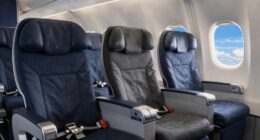

To manage food allergies onboard, notify the airline early and have it noted on your boarding pass or carry a written card specifying your allergies. Communicate with flight attendants before takeoff, and carry allergy medications easily accessible in your carry-on. Stay vigilant during the flight to spot any symptoms early, and immediately alert crew if you experience a reaction. Understanding airline protocols and preparedness will help guarantee a safer, more comfortable flight—learn more about how to stay protected.
Key Takeaways
- Notify airline of your allergy during booking and check-in, and request allergy-specific accommodations.
- Carry allergy cards or written notes to clearly communicate your condition to crew.
- Inform flight attendants early and review airline emergency procedures for allergic reactions.
- Keep allergy medications easily accessible in your carry-on luggage and be prepared to administer them if needed.
- Stay vigilant during the flight, promptly alert crew of any allergic symptoms, and follow their guidance.

Have you ever wondered how airlines keep passengers with food allergies safe during a flight? It all starts with effective allergy communication. When you check in, it’s important to inform the airline about your allergy clearly and early. This allows the crew to be aware of your condition and helps them take necessary precautions. Airlines often have protocols in place for allergy communication, including noting your needs on your boarding pass and alerting the flight attendants before takeoff. This proactive approach ensures everyone is on the same page, reducing the risk of accidental exposure. It’s a good idea to carry a card or written note that specifies your allergy, which you can show to crew members if needed. Clear communication helps everyone understand the seriousness of your allergy and the importance of avoiding certain foods.
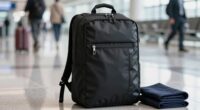
While allergy communication is essential, having a solid emergency response plan is equally important. No matter how careful everyone is, accidents can happen, so being prepared makes all the difference. When boarding, ask the flight attendants about the airline’s emergency procedures for allergic reactions. They should be ready with a plan that includes recognizing symptoms early, administering medication like antihistamines or epinephrine if necessary, and how to seek immediate medical help. It’s wise to carry your allergy medications in your carry-on and keep them accessible throughout the flight. Knowing what steps to take and having the right medications on hand can prevent a minor issue from escalating into a serious emergency. Additionally, understanding medical preparedness can help you feel more confident in managing your allergy situation.
Having an emergency plan with medication ready is crucial for allergy safety during flights
During the flight, stay vigilant and communicate any discomfort or concerns to the crew immediately. If you notice any signs of an allergic reaction, don’t hesitate to alert the staff right away. The crew is trained to respond swiftly, following the airline’s emergency response planning protocols. They might also take extra precautions, such as sanitizing your seating area or avoiding serving certain foods around you. Remember, your safety depends on clear communication and knowing how to respond quickly in case of an emergency.
Ultimately, managing food allergies onboard requires a combination of proactive allergy communication and thorough emergency response planning. By informing the airline of your allergy early, understanding their procedures, and being prepared with your medications, you can greatly reduce risks. Airlines are continually improving their protocols to protect passengers with allergies, but your awareness and preparation remain your best tools in ensuring a safe and comfortable flight.
airline allergy notification cards
As an affiliate, we earn on qualifying purchases.
As an affiliate, we earn on qualifying purchases.
Frequently Asked Questions
How Are Emergency Food Allergy Reactions Handled Mid-Flight?
In flight allergy protocols prioritize your safety by ensuring crew members act quickly if you experience a reaction. They use passenger safety measures like administering onboard emergency medications, such as epinephrine auto-injectors, and providing supplemental oxygen if needed. The crew will also contact medical professionals on the ground for further guidance. Your quick response and cooperation are vital, so alert the crew immediately if you notice allergy symptoms.
Can Special Allergy Meals Be Requested After Booking?
Sure, you can request special allergy meals even after booking, but it’s best to do so early. While airline policies vary, most airlines allow you to make special meal requests through their allergy notification procedures before departure. Juxtapose the comfort of knowing your meal is tailored to your needs with the uncertainty of last-minute requests. Contact customer service well in advance to guarantee your allergy needs are accommodated and confirmed.
Are Crew Members Trained to Recognize Allergy Symptoms?
Yes, crew members are trained in allergy awareness and are equipped to recognize allergy symptoms quickly. They undergo specialized crew training to handle allergy-related situations, ensuring your safety. If you have allergies, inform the crew immediately, so they can respond appropriately. Your well-being is a priority, and their training helps prevent allergic reactions, providing you with a safer, more comfortable journey.
What Precautions Are Taken for Cross-Contact in the Galley?
You take precautions for cross-contact by ensuring strict galley sanitation and preventing cross-contamination. You use separate utensils and cutting boards for allergy-friendly foods, and thoroughly clean surfaces after preparing each meal. You also store allergen-containing ingredients separately and label them clearly. These steps help minimize risk, protect passengers with allergies, and maintain a safe environment in the galley, demonstrating your commitment to food safety and passenger well-being.
How Is Allergy Information Communicated to All Staff?
You guarantee allergy information is clearly communicated to all staff through effective allergy communication protocols. You participate in staff training sessions that emphasize the importance of sharing allergy details accurately and promptly. You also review allergy alerts during shift briefings and use visible signage or digital systems to keep everyone informed. This approach ensures everyone is aware of specific allergies, minimizing risks and maintaining a safe environment for passengers with food allergies.
carry-on allergy medication organizer
As an affiliate, we earn on qualifying purchases.
As an affiliate, we earn on qualifying purchases.
Conclusion
Just as Odysseus navigated treacherous waters with careful foresight, managing food allergies onboard demands your vigilance and preparation. By staying informed, communicating clearly, and respecting individual needs, you steer clear of potential dangers. Remember, the journey is as much about safety as it is about connection. With awareness and empathy, you create a safe harbor for everyone, turning potential storms into smooth sailing—proving that thoughtful management transforms uncertainty into confidence.
epinephrine auto-injector for travel
As an affiliate, we earn on qualifying purchases.
As an affiliate, we earn on qualifying purchases.
airline allergy safety kit
As an affiliate, we earn on qualifying purchases.
As an affiliate, we earn on qualifying purchases.