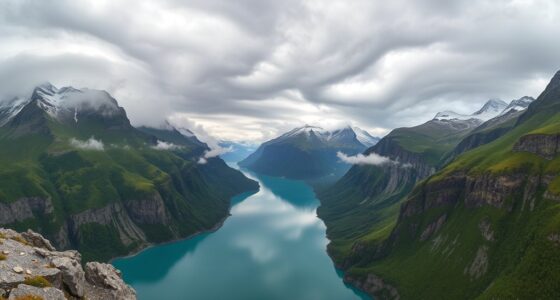
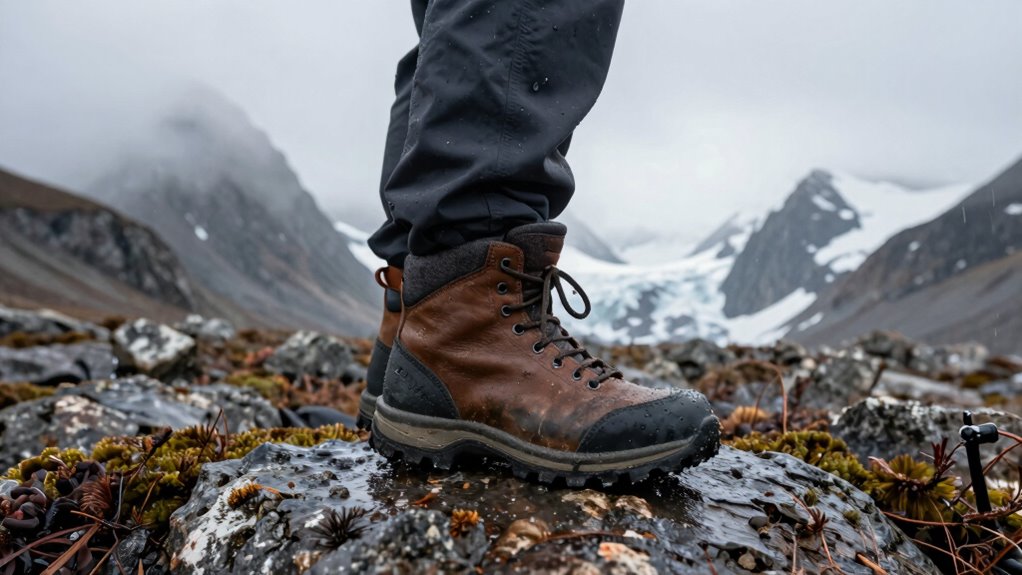

When exploring northern itineraries, your footwear needs more thought than you might assume. Rugged terrains like rocky paths, muddy trails, and icy patches demand durable, supportive shoes with non-slip soles and ankle support. Cold months require waterproof and insulated features to keep you safe and comfortable. Plus, respecting local customs often involves choosing traditional footwear, which shows your cultural awareness. Stay tuned to discover how proper footwear can make or break your adventure and cultural experience.

Get travel and outdoor gear delivered free with Prime
- Fast, free delivery on millions of items
- Prime Video, Amazon Music and more included
- Member-only deals all year
Key Takeaways
- Rugged northern terrains require durable, supportive footwear to prevent injuries on rocky, muddy, or icy surfaces.
- Cold, wet conditions demand waterproof and insulated shoes to ensure safety and comfort during extended outdoor activities.
- Proper footwear with nonslip soles enhances safety on unpredictable, slippery terrains common in northern regions.
- Respecting local cultures involves choosing traditional or appropriate footwear, fostering positive interactions and cultural sensitivity.
- Environmental nuances necessitate footwear that balances durability, environmental impact, and suitability for diverse northern conditions.
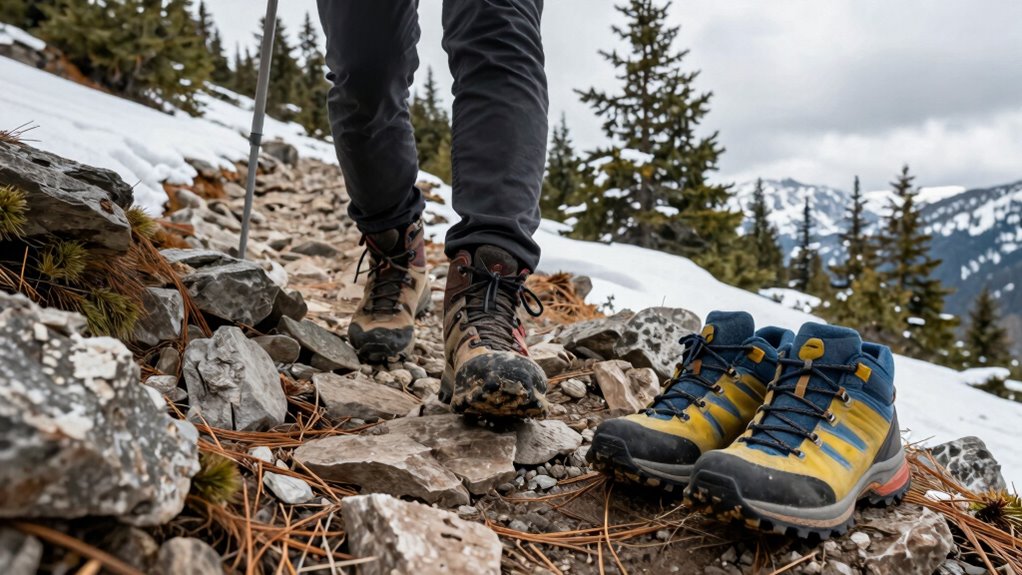
If you’re planning a trip to the northern regions, you might want to rethink your footwear choices, as inadequate shoes can quickly turn an adventure into a discomfort-filled ordeal. These areas often have unpredictable terrain, from rocky paths to muddy trails, demanding footwear that offers both support and durability. But beyond practicality, your shoes also play a role in respecting local customs, especially when cultural attire and local traditions come into play. In many northern communities, traditional dress isn’t just about appearance; it’s a reflection of cultural identity, and footwear is often a vital element. Wearing the right shoes shows respect for local customs and helps you blend in more seamlessly, whether you’re participating in festivals or visiting sacred sites.
You might think that sturdy hiking boots are enough, but in some northern destinations, traditional attire may include specific footwear that’s significant to local culture. For example, in certain indigenous communities, moccasins or handcrafted leather shoes are more than just footwear—they’re symbols of heritage and craftsmanship. If you’re not prepared with appropriate shoes, you risk not only discomfort but also inadvertently offending local sensibilities. It’s worth researching the cultural attire beforehand, so you can choose footwear that honors local traditions and enhances your cultural experience. Additionally, understanding the local environment can help you select appropriate footwear that withstands the diverse conditions you’ll encounter. Recognizing the importance of cultural attire ensures your respect for local customs while enriching your travel experience. Moreover, understanding the environmental conditions can also guide you in selecting shoes that are both functional and respectful of local traditions. Exploring local customs can deepen your appreciation of the region’s unique traditions and help you navigate the social landscape more thoughtfully. Being aware of these cultural nuances can also prevent unintentional faux pas during your visit.
Northern terrains aren’t just physically challenging; they also demand an understanding of environmental conditions. You’ll encounter everything from icy patches to uneven, rocky ground, making waterproof and insulated shoes imperative in colder months. Lightweight options won’t cut it here. Instead, look for shoes designed specifically for rugged outdoor activities, with nonslip soles for safety and ankle support for stability. Proper footwear also helps prevent injuries, which can be particularly troublesome in remote regions where medical help isn’t always nearby.
waterproof insulated hiking boots
As an affiliate, we earn on qualifying purchases.
As an affiliate, we earn on qualifying purchases.
Frequently Asked Questions
How Do I Choose Waterproof Footwear for Unpredictable Northern Weather?
To choose waterproof footwear for unpredictable northern weather, focus on shoe waterproofing features that keep your feet dry in rain and snow. Look for shoes with sealed seams and waterproof membranes. Make certain they offer good terrain grip for slippery surfaces, especially on uneven terrain. Try them on to check comfort and fit, and consider waterproofing sprays for extra protection. Prioritizing these features helps you stay dry and secure during your adventures.
What Footwear Accessories Improve Comfort on Long Northern Hikes?
To boost comfort on long northern hikes, focus on shoe lacing techniques and insoles for support. Use heel lock lacing to prevent slippage and adjust laces for a snug fit. Add cushioned insoles for extra shock absorption and arch support, reducing fatigue. Consider moisture-wicking insoles to keep your feet dry. These accessories work together to improve fit, stability, and comfort, helping you tackle unpredictable terrain with confidence.
Are Minimalist Shoes Suitable for Northern Terrains?
Like a shadow in the night, minimalist shoes can be suitable for northern terrains if you prioritize agility and feel. They offer lightweight comfort, but you need to guarantee they’re durable enough for rugged surfaces. While they work well on well-maintained trails, you might find them less protective on rocky or uneven terrain. Consider your specific route and terrain conditions before choosing minimalist shoes for your northern adventure.
How Often Should I Replace My Northern Hiking Shoes?
You should replace your northern hiking shoes when their footwear durability declines, typically after 500-800 miles or when trail maintenance becomes difficult due to worn-out soles or compromised support. Regularly inspecting your shoes helps identify signs of wear, ensuring safety and comfort. Don’t wait too long, as degraded footwear can lead to injuries or discomfort during challenging terrains, especially in northern environments where reliable footwear is essential.
Can Lightweight Footwear Handle Icy Conditions Effectively?
Lightweight footwear often struggles with icy conditions, especially when trail durability is tested. You might find them breathable and comfortable, but they usually lack the insulation and grip needed for snow and ice. To stay safe, prioritize footwear designed specifically for winter adventures, balancing breathability with added features like waterproofing and traction. This way, you’re better prepared for the unpredictable, icy terrains northern itineraries throw your way.
Conclusion
So, next time you lace up for a northern adventure, remember that your footwear is your silent partner on the rugged trails and icy paths. Picture yourself stepping confidently across snow-dusted landscapes, every stride cushioned and secure. With the right shoes, you’ll feel unstoppable—ready to embrace the crisp air and breathtaking vistas. Don’t let poorly planned footwear turn your journey into a stumble; instead, let it be your trusted guide through the wild, northern beauty.
Halloween Picks
halloween
As an affiliate, we earn on qualifying purchases.