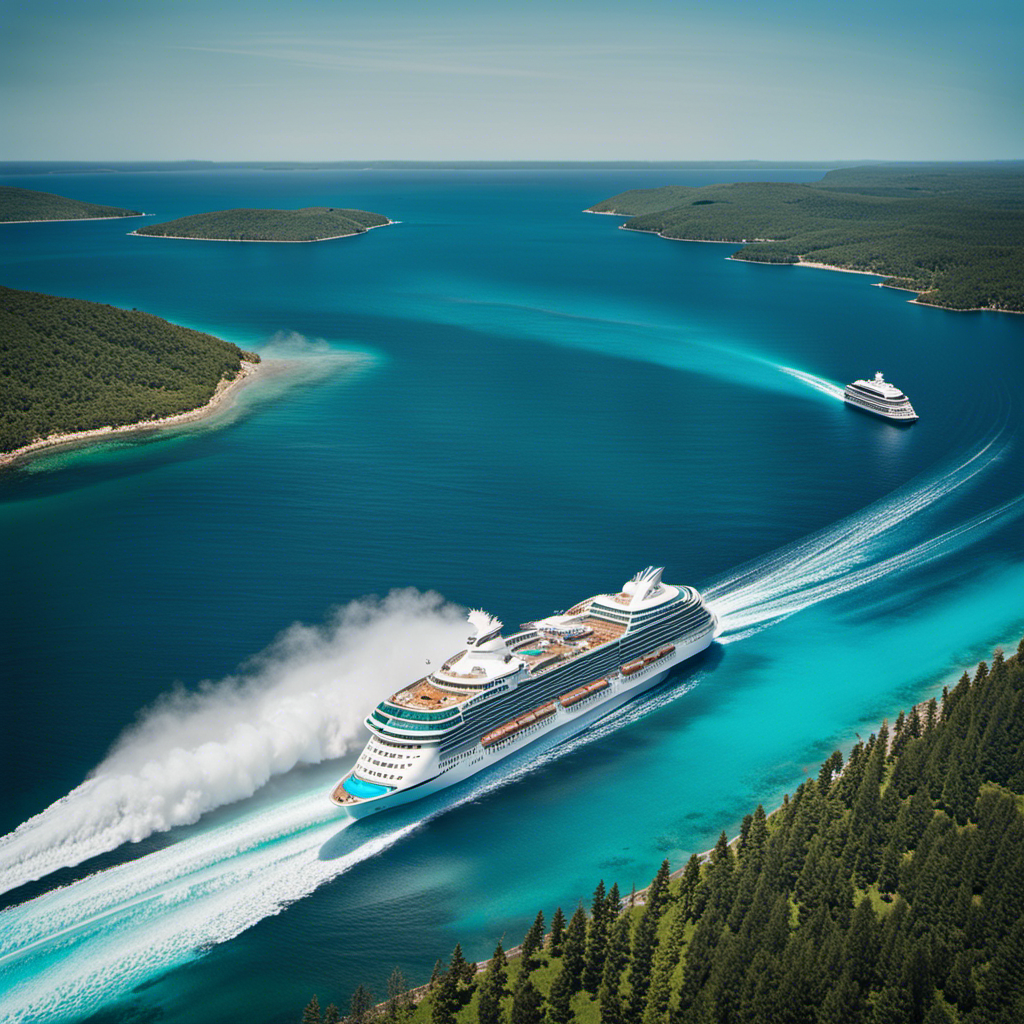
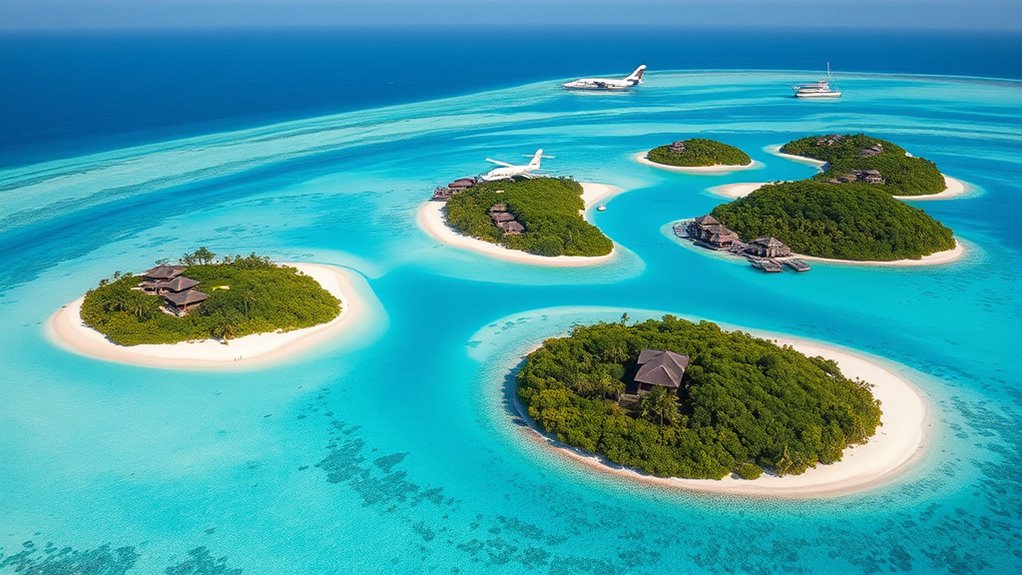

Private islands now combine luxury with eco-conscious features, offering exclusive escapes designed for privacy and sustainability. Developers focus on creating secluded havens by incorporating renewable energy, eco-friendly waste management, and native landscaping. Access is carefully controlled through strict screening, invitation-only systems, or memberships, ensuring minimal disturbance and preserving natural beauty. If you want to explore how these developments balance lavish living with environmental care, there’s more to uncover.
Key Takeaways
- New private island developments emphasize eco-friendly designs, renewable energy, and sustainable construction practices.
- Access is typically restricted through invitation-only systems, memberships, or controlled screening to ensure privacy.
- Developers often partner with environmental experts to implement conservation initiatives and minimize ecological impact.
- Luxury amenities are balanced with ecological preservation, promoting eco-tourism and educational programs.
- Restrictions on visitor access and development help maintain the island’s pristine environment and exclusive appeal.
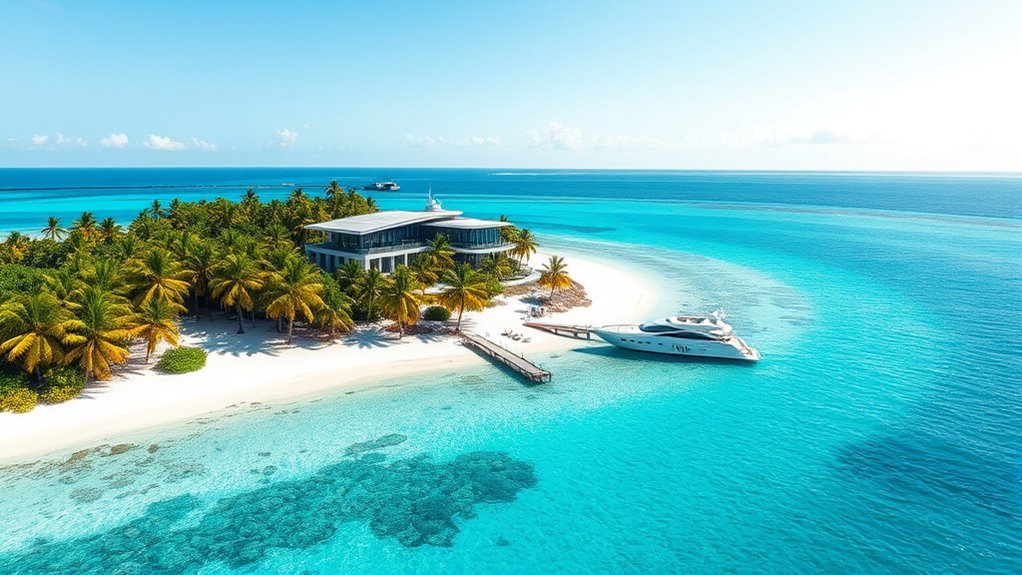
Imagine owning your very own slice of paradise—an entire island reserved solely for you. It’s the ultimate symbol of exclusivity and luxury real estate, offering a private retreat where you control every detail of your environment. As more developers focus on creating these secluded havens, the focus isn’t just on luxury but also on sustainable practices. Many new private islands emphasize environmental conservation, ensuring that their development doesn’t harm the delicate ecosystems they inhabit. This balance between opulence and ecological responsibility appeals to discerning buyers who want a stunning getaway without compromising the natural beauty of their surroundings.
Access policies to these islands are evolving to prioritize privacy and exclusivity, often involving strict screening processes or invitation-only systems. When you’re considering purchasing a private island, you’ll find that most owners prefer controlled access—limiting visitors to family, friends, or select guests—so your privacy remains intact. These policies serve to protect the island’s environment while maintaining the serenity that makes owning a private island so desirable. Some islands are even offering memberships or exclusive clubs, allowing select individuals to visit under carefully managed protocols, further reinforcing the sense of a private sanctuary.
Controlled access and exclusive memberships preserve privacy and protect the pristine environment of private islands.
Developments now incorporate innovative environmental conservation measures, such as renewable energy sources, eco-friendly waste management, and native landscaping, to minimize ecological impact. When you buy into these developments, you’re not just investing in luxury real estate—you’re supporting efforts to preserve the island’s natural beauty for generations to come. Many developers partner with environmental experts to ensure their projects adhere to sustainable standards, shielding the islands from overdevelopment and ensuring that the flora and fauna thrive alongside luxury amenities. Additionally, incorporating sustainable practices into development plans helps balance luxury with environmental responsibility.
Access policies often include provisions for eco-tourism, educational programs, and conservation initiatives that allow owners and visitors to appreciate the island’s natural resources responsibly. This approach encourages a harmonious relationship between luxury living and environmental stewardship. As a future owner, you’ll find that these policies are designed to offer exclusivity without sacrificing environmental integrity, giving you peace of mind that your private paradise remains pristine.
private island eco-friendly amenities
As an affiliate, we earn on qualifying purchases.
As an affiliate, we earn on qualifying purchases.
Frequently Asked Questions
How Are Private Islands Typically Priced and Financed?
You typically pay for private islands through luxury real estate pricing, which varies based on location, size, and amenities. Financing options often include mortgages, cash payments, or partnerships, depending on the property’s value and your financial situation. You should work with specialized brokers and financial advisors to explore flexible financing solutions tailored to high-end investments. This approach helps make acquiring a private island more accessible and aligns with your investment goals.
What Legal Protections Exist for Private Island Owners?
You’re protected by local and international laws that define maritime boundaries, preventing unauthorized access or claims. Ownership rights often include legal safeguards against trespassing and environmental regulations. Tourism restrictions may limit activities to preserve the island’s integrity, and you can enforce private property laws to secure your island. Additionally, treaties and jurisdictional rules help safeguard your ownership from disputes, ensuring your property remains protected against external claims or encroachments.
Are There Environmental Regulations Specific to Private Islands?
Yes, private islands are subject to environmental regulations focused on minimizing impact and promoting conservation. You need to follow local laws related to environmental impact assessments, wildlife protection, and sustainable development. These regulations ensure that your activities don’t harm ecosystems, preserve biodiversity, and promote responsible use of resources. By adhering to conservation regulations, you help protect your island’s natural beauty while complying with legal standards and supporting long-term environmental health.
How Do Access Policies Vary Between Different Private Islands?
You’ll find access policies differ widely across private islands, often based on the level of luxury amenities and exclusive memberships offered. Some islands restrict entry to members or guests with special passes, ensuring privacy and exclusivity. Others may open access for special events or limited periods. Your experience depends on the island’s policies, which prioritize privacy, security, and high-end amenities to cater to affluent visitors seeking unparalleled exclusivity.
What Infrastructure Is Necessary for Developing a Private Island?
To develop a private island, you need essential infrastructure like reliable transportation, including docks, heliports, or airstrips, to guarantee easy access. You also require utilities such as power, water, and sewage systems. To create a luxurious experience, invest in amenities like high-end accommodations, recreational facilities, and sustainable energy sources. This infrastructure transforms your island into an exclusive, accessible destination that offers both comfort and convenience to guests.
luxury private island membership
As an affiliate, we earn on qualifying purchases.
As an affiliate, we earn on qualifying purchases.
Conclusion
So, imagine stepping onto your private island, where exclusive access means endless privacy and untouched beauty. While some worry about restrictions, these policies actually protect your paradise from overdevelopment and crowds. With careful planning, you’ll enjoy pristine beaches, lush landscapes, and serenity—just for you. It’s not just a getaway; it’s your personal sanctuary away from the chaos, where every moment feels like a private retreat. Your island paradise awaits—ready to become your forever escape.
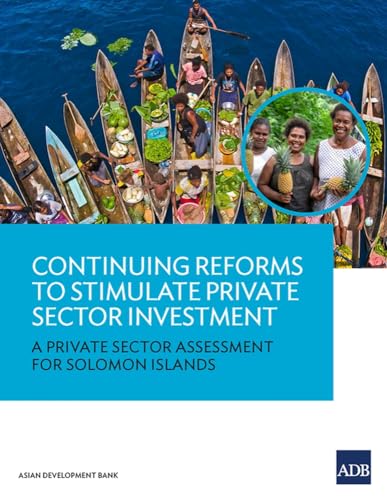
Continuing Reforms to Stimulate Private Sector Investment: A Private Sector Assessment for Solomon Islands
As an affiliate, we earn on qualifying purchases.
As an affiliate, we earn on qualifying purchases.
exclusive private island access control
As an affiliate, we earn on qualifying purchases.
As an affiliate, we earn on qualifying purchases.