TL;DR

Get travel and outdoor gear delivered free with Prime
- Fast, free delivery on millions of items
- Prime Video, Amazon Music and more included
- Member-only deals all year
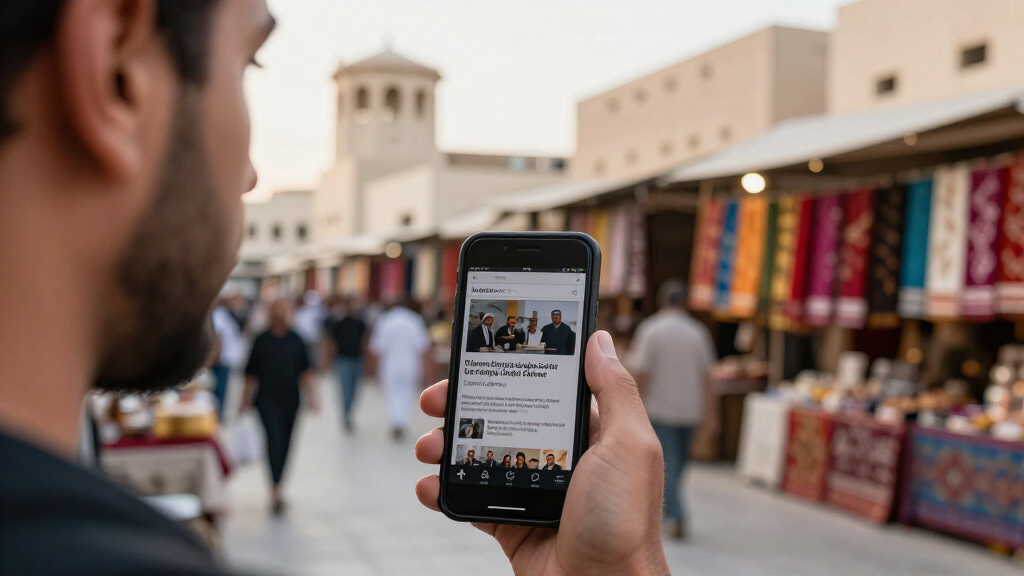
Qatar has seen a notable rise in global media mentions, with reports indicating a 4.3-fold increase. This surge reflects heightened international interest, though the reasons remain unclear. The development could impact Qatar’s diplomatic and economic positioning. For more on regional coverage, see coverage of Angola.
Qatar is experiencing a significant increase in international media coverage, with mentions rising by 4.3 times the usual baseline, according to GDELT data. This surge in attention is notable for its scale and timing, though the specific reasons behind it are still being analyzed. For example, Haiti’s recent media coverage has surged in a similar way. The development is relevant for understanding Qatar’s current global profile and potential diplomatic or economic implications.
According to the GDELT project, which tracks global media mentions through news sources worldwide, Qatar has been mentioned 25 times within the recent reporting window. This figure represents a 4.3-fold increase compared to the baseline level of coverage, indicating a notable spike in international interest.
The surge in coverage has been observed across multiple regions and media outlets, suggesting a broadening of Qatar’s media profile. The reasons behind this increase are not yet fully clarified, but analysts suggest it could be be linked to recent geopolitical developments, diplomatic events, or major international initiatives involving Brazil.
Officials and media analysts have noted that such a rise in coverage could influence Qatar’s diplomatic standing and economic prospects, especially if the attention persists or expands. However, it remains unclear whether this surge is driven by specific news events or a general escalation of interest in the country.
Implications of Qatar’s Rising Media Profile
The increase in global coverage highlights Qatar’s growing prominence on the international stage, which could influence diplomatic negotiations, foreign investment, and regional relationships. Heightened media attention might also reflect or trigger international scrutiny of Qatar’s policies or recent actions. Understanding the drivers behind this surge is essential for assessing its potential impact on Qatar’s future relations and reputation.
As an affiliate, we earn on qualifying purchases.
Recent Factors Contributing to Qatar’s Media Attention
Qatar has been in the international spotlight recently due to several factors, including its hosting of major sporting events, diplomatic initiatives, or regional developments. While specific recent events are not detailed in the available data, historical context shows that Qatar’s media profile tends to fluctuate based on geopolitical or economic activities. The current surge may be linked to ongoing regional negotiations, international diplomacy, or coverage related to upcoming events.
“The data shows a 4.3x increase in mentions, which is unusual for this period and warrants further analysis.”
— GDELT project spokesperson
Unclear Drivers Behind the Media Surge
It is not yet confirmed what specific events or factors are causing the surge in Qatar coverage. Analysts are still investigating whether this is linked to recent diplomatic moves, media campaigns, or other geopolitical factors. The duration and potential impact of this increased attention remain uncertain.
Monitoring Future Media Trends and Diplomatic Developments
Experts will continue to analyze media data to identify the drivers of Qatar’s increased coverage. Officials may also monitor diplomatic and economic activities to assess whether the surge signifies a strategic shift or short-term interest. Further media spikes or official statements could clarify the situation in the coming weeks.
Key Questions
Why is Qatar receiving more media attention now?
The specific reasons are not yet confirmed, but recent geopolitical, diplomatic, or economic factors are likely contributing to the surge in coverage.
Could this media surge impact Qatar’s international relations?
Potentially, increased media attention can influence diplomatic perceptions and negotiations, but the actual impact will depend on the underlying causes and subsequent developments.
How long might this increased coverage last?
The duration is uncertain; analysts will need to observe future media trends and official actions to determine if this is a temporary spike or a sustained shift.
Is this surge related to any specific events?
It is not yet clear whether the coverage spike is tied to particular recent events or broader regional or international trends.
Source: gdelt
Halloween Picks
halloween
As an affiliate, we earn on qualifying purchases.