
On a cruise, binoculars are great for quick horizon scans and spotting moving ships or wildlife, thanks to their portability and wide field of view. Spotting scopes, on the other hand, excel at revealing fine details of distant animals or landscape features, but they are bulkier and need stability. Each tool serves a different purpose, so choosing the right depends on what you want to see. Keep exploring to find out which option suits your cruise adventures best.
Key Takeaways
- Binoculars are lightweight and quick to use, ideal for fast scans, while spotting scopes provide detailed views but require setup.
- Binoculars offer a wider field of view, perfect for tracking moving objects, whereas spotting scopes excel at long-distance, high-magnification observation.
- For spontaneous, on-the-go viewing, binoculars are more convenient; spotting scopes are better suited for planned, detailed observation sessions.
- Both should be weather-resistant for marine conditions; durability ensures reliable performance during a cruise.
- Combining both devices offers versatility, covering quick horizon scans and detailed wildlife or landscape viewing.
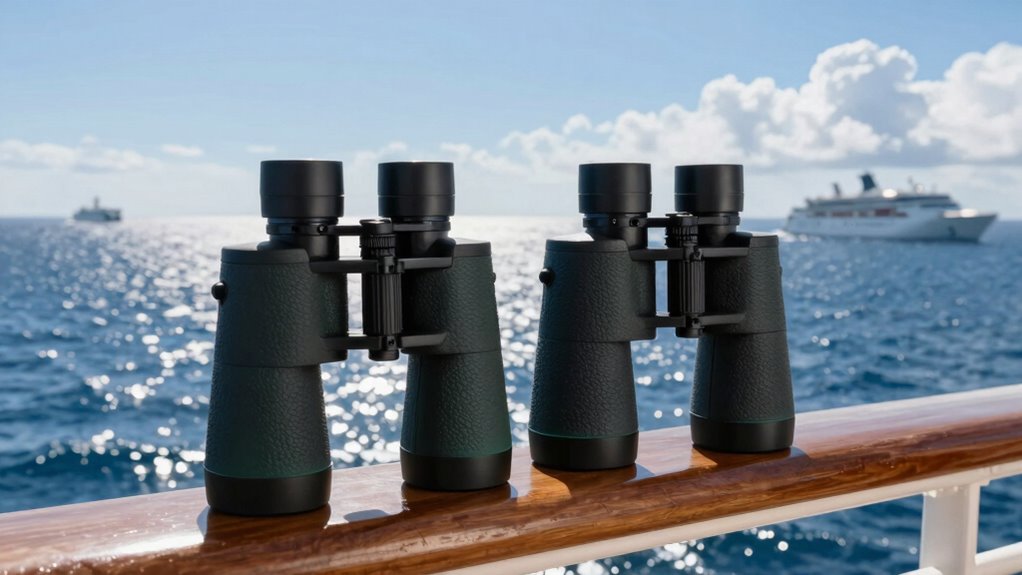
When choosing between spotting scopes and binoculars, understanding their differences can help you make the right purchase for your needs. On a cruise, whether you’re enthusiastic to spot marine wildlife or simply enjoy the breathtaking scenic views, selecting the right optical device makes all the difference. Binoculars are compact, lightweight, and easy to handle, making them perfect for quick scans along the horizon or observing distant ships. Their wide field of view allows you to quickly locate and follow moving targets, which is especially useful when trying to catch sight of dolphins or whales. Binoculars also excel at providing a broad perspective, so you can take in large stretches of coastline or open water without fuss.
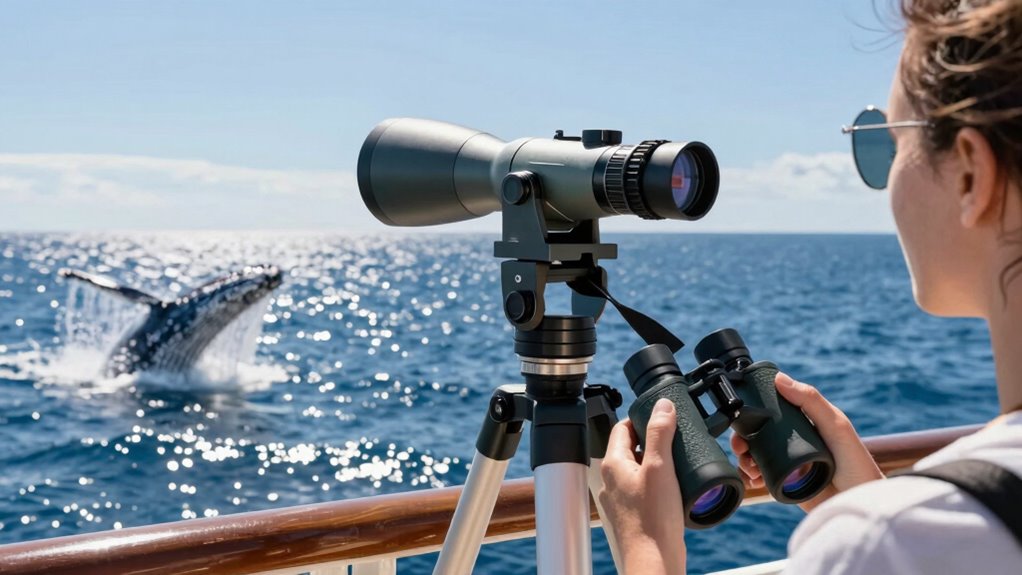
Spotting scopes, on the other hand, are designed for detailed, high-magnification viewing. If marine wildlife is your primary interest, a spotting scope allows you to see the intricate features of a whale’s blow or a bird perched on a distant island with remarkable clarity. When it comes to scenic views, a spotting scope will reveal the finer details of distant landmarks, rugged coastlines, or mountain ranges that seem just out of reach. While they are bulkier and require a sturdy tripod for stability, their higher magnification can bring distant objects into sharp focus that would be blurry through binoculars. This makes them ideal for long-range viewing, especially on a stable deck where you can set up your scope comfortably.
However, your choice also depends on convenience and versatility. Binoculars are generally more user-friendly, especially for quick, casual viewing. They’re easy to carry around, quickly pick up, and don’t require additional equipment. Spotting scopes, while offering superior detail at long distances, demand a bit more setup—tripods, proper eye relief, and sometimes additional accessories. They are better suited for planned, focused observation rather than spontaneous viewing.
If you’re on a cruise and want a balance between portability and detailed viewing, consider bringing both. Use binoculars for daily, general observation of marine wildlife and scenic vistas, and bring a spotting scope along for specific moments when you want to study a whale or enjoy the distant landscape in greater detail. Ultimately, your choice hinges on what you value more: quick, broad views or detailed, long-distance clarity. Understanding these differences ensures you’re well-equipped to enhance your cruise experience, whether it’s marveling at the ocean’s inhabitants or appreciating the distant horizons. Additionally, considering the durability and weather resistance of your optical device can ensure it withstands the marine environment and various weather conditions encountered on a cruise.

20x50 High Powered Binoculars for Adults, Waterproof Compact Binoculars with Low Light Vision for Bird Watching Hunting Camping Travel Cruise Hiking Sports Stargazing, Christmas Birthday Gifts for Men
UPGRADED HIGH-POWER BINOCULARS - These premium binoculars feature a high-magnification 20x zoom eyepiece and offer a 168-yard field...
As an affiliate, we earn on qualifying purchases.
Frequently Asked Questions
Are Spotting Scopes Waterproof for Sea Voyages?
Yes, spotting scopes are often designed with marine durability and saltwater resistance in mind, making them suitable for sea voyages. Look for models labeled as waterproof and sealed, which can withstand the harsh saltwater environment. By choosing a spotting scope with these features, you guarantee durability against moisture and corrosion, so you can enjoy clear, stable views of distant ships or wildlife even during rough seas.
Can Binoculars Be Used Effectively for Birdwatching on a Cruise?
Yes, binoculars work well for birdwatching on a cruise, especially when observing marine wildlife. They’re portable and easy to use with effective birdwatching techniques like steadying your hands and focusing properly. Use binoculars with good magnification and waterproof features to get clear views of seabirds and other marine creatures. With the right binoculars, you’ll enjoy a close-up experience of the diverse marine wildlife scenery along your voyage.
What Is the Average Weight Difference Between Spotting Scopes and Binoculars?
Imagine holding a feather versus a brick—that’s your weight difference between spotting scopes and binoculars. On average, spotting scopes are heavier, often weighing 3 to 4 pounds, while binoculars, with their ergonomic design, typically weigh 1 to 2 pounds. This difference in weight stems from magnification differences and build, so if you’re cruising and want ease, binoculars are lighter and more manageable for extended use.
Do Spotting Scopes Require Special Tripods or Mounts?
Spotting scopes often require specific tripods or mounts for stability. You should check their tripod compatibility, as some models use standard mounts, while others need specialized ones. Make sure to take into account mount types like tripod heads or adapters to ensure secure setup. Using the right mount type will give you steady viewing, especially on a moving cruise, preventing shaky images and making your viewing experience much more enjoyable.
How Do Lens Coatings Affect Viewing Quality at Sea?
Think of lens coatings like a sailor’s protective coat against harsh sea spray; they markedly improve your viewing by reducing glare and reflections. Coating colors, such as green or blue, enhance contrast and clarity, making distant sights vivid. Durable lenses resist scratches and water damage, ensuring your view stays sharp at sea. Proper coatings and durability together give you clearer, more reliable images, transforming your cruise viewing experience into a vivid adventure.
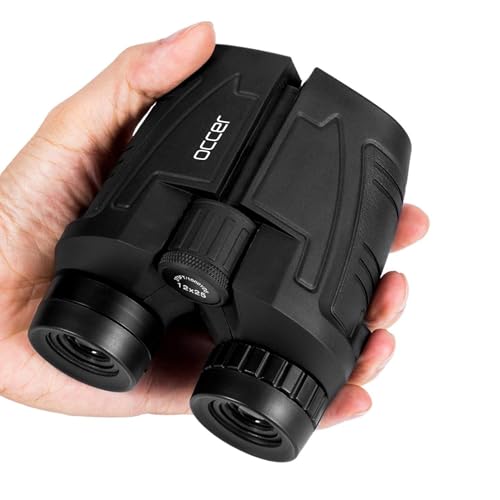
Occer 12x25 Compact Binoculars for Adults and Kids, Large Eyepiece Waterproof Binocular with Low Light Vision,High Powered Easy Focus Binoculars for Bird Watching,Outdoor Hunting,Travel,Sightseeing
【HIGH-POWERED LARGE EYEPIECE BINOCULARS】 This binoculars for adults has 12x magnification, 25mm objective lens and wide field of...
As an affiliate, we earn on qualifying purchases.
Conclusion
In the end, choosing between spotting scopes and binoculars is like picking the right tool for your adventure. Binoculars are your trusty sidekick—compact and versatile—perfect for quick, wide views. Spotting scopes, on the other hand, are like a magnifying glass, bringing distant details into sharp focus. Whichever you choose, remember, it’s your eyes on the horizon that truly make the journey unforgettable. So, gear up and let your curiosity set sail!
Amazon Product B0G1M3FNDT
As an affiliate, we earn on qualifying purchases.
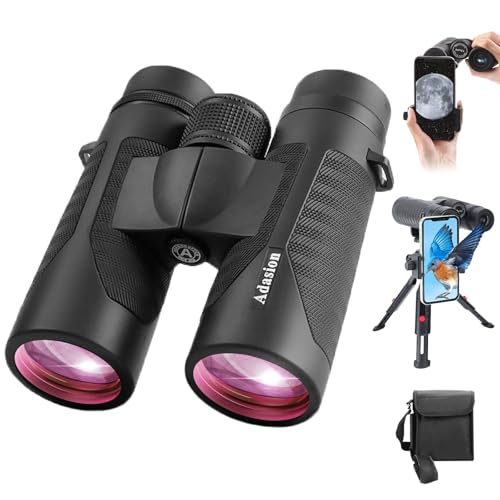
12x42 HD Binoculars for Adults High Powered with Phone Adapter and Tripod, Super Bright BAK4 Prism Waterproof Binoculars for Bird Watching Hunting Hiking Safari Travel Sports
POWERFUL & LIGHTWEIGHT BINOCULARS : With 12x magnification and a 42mm objective lens, Adasion binoculars deliver a 367/1000yds...
As an affiliate, we earn on qualifying purchases.