
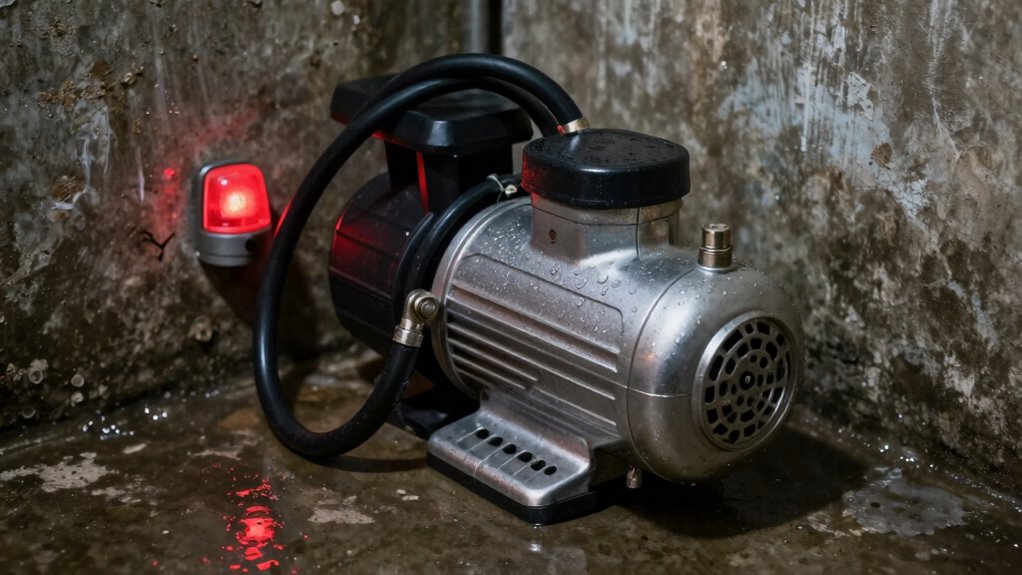

A sump pump acts as an alarm system for your basement, automatically detecting rising water levels and preventing floods before they happen. It’s designed to turn on when needed, keeping your home dry and avoiding costly damage. Proper installation and regular maintenance ensure it functions effectively when you need it most. If you want to learn how to choose, install, and maintain the best sump pump for your home, keep exploring this guide.
Key Takeaways
- Installing a sump pump with a high water alarm alerts you before flooding occurs.
- Regular testing and maintenance ensure the alarm functions correctly during heavy rain.
- A reliable alarm system provides early warning, allowing timely action to prevent basement damage.
- Combining a sump pump with an audible or visual alarm enhances flood preparedness.
- Professional installation guarantees proper setup and effectiveness of the alarm system.

Have you ever wondered how to protect your basement from flooding? A sump pump is one of the most effective tools you can install to prevent water damage and save yourself from costly repairs. When considering a sump pump, it’s essential to explore the different installation options available. You can choose between pedestal and submersible sump pumps, each with its own advantages. Pedestal pumps sit above the sump basin, making them easier to service and generally more affordable, but they tend to be noisier. Submersible pumps are fully submerged in the sump pit, providing quieter operation and saving space, which can be beneficial if your basement has limited ceiling height. Understanding these options helps you select the right pump tailored to your basement’s layout and your budget.
Proper installation is crucial for effective flood prevention. You might consider hiring a professional to handle the installation, especially if you’re unfamiliar with plumbing or electrical work. Proper installation involves positioning the pump at the lowest point of the sump basin, ensuring the discharge pipe is correctly directed away from your home’s foundation to prevent water from flowing back in. Installing a check valve along the discharge pipe is also vital; it prevents backflow, which could cause your pump to cycle repeatedly or fail to clear water efficiently. During installation, make sure the electrical outlet is grounded and protected by a circuit with a ground-fault circuit interrupter (GFCI) for safety.
Once installed, maintaining your sump pump is key to ensuring it functions when you need it most. Regular maintenance tips include testing the pump monthly by pouring water into the sump basin to see if it activates correctly. Clean the pump’s inlet screen and remove any debris or sediment that could clog it. You should also inspect the discharge pipe for blockages or leaks. Additionally, check the float switch, which triggers the pump, to ensure it moves freely and isn’t obstructed. It’s wise to schedule an annual professional inspection to verify all components are in optimal condition. Replacing the pump every 5-7 years is recommended, as wear and tear can reduce its efficiency over time.

Sump Pump Alarm, Briidea Indoor/Outdoor High Water Septic Tank Alarm with 110dB Loud Alarm and Large LED Indicator, 10ft Level Float Switch, Ideal for Septic Sump Pump Pond Water Tank
HIGH WATER SEPTIC ALARM: Basement flooding can cost you a lot of time, effort and money. Use our…
As an affiliate, we earn on qualifying purchases.
As an affiliate, we earn on qualifying purchases.
Frequently Asked Questions
How Often Should I Test My Sump Pump?
You should test your sump pump at least once a month to guarantee it works properly. Regular maintenance tips include pouring a bucket of water into the sump pit to activate the pump and check for proper operation. When considering installation, think about the pump’s capacity and placement to prevent flooding. Consistent testing helps identify issues early, so you can address them before a heavy rain or power outage causes problems.
What Are Signs My Sump Pump Is Failing?
Did you know that around 10% of sump pump failures happen during storms? You’ll notice signs like strange noises, frequent cycling, or your pump not turning on during heavy rain. Regular maintenance tips include checking for debris, ensuring proper installation considerations, and testing the float switch. If your sump pump shows these signs, address them promptly to prevent basement flooding and protect your home.
Can a Sump Pump Handle Heavy Rainfall Alone?
Your sump pump can handle heavy rainfall if it’s well-maintained and suited for your home’s needs. However, storm preparedness is key—make certain your pump is regularly tested and cleaned, especially before storms. Pump maintenance includes checking the battery backup and inspecting for clogs or damage. During intense storms, consider installing a secondary pump or backup system to prevent basement flooding and ensure your home stays dry.
Is Battery Backup Necessary for My Sump Pump?
Ironically, a battery backup isn’t just a luxury; it’s vital. Power failures often happen during storms, precisely when your sump pump is most needed. Without a battery backup, your sump pump can’t operate during outages, risking basement floods. Investing in a battery backup guarantees continuous protection, even when the power’s out. Don’t wait for a flood to realize how important this backup is—preparation saves you from costly damages.
How Long Does a Typical Sump Pump Last?
A typical sump pump lasts about 7 to 10 years with proper pump maintenance. Regular checkups help prevent water damage and guarantee it functions when needed. You should listen for unusual noises or frequent cycling, which indicate wear. Replacing your sump pump before it fails minimizes the risk of flooding and costly repairs. Keeping up with maintenance helps extend its lifespan and keeps your basement protected from water damage.

WAYNE CDU790-1/3 HP Submersible Cast Iron and Stainless Steel Sump Pump with Integrated Vertical Float Switch – Up to 4,600 Gallons Per Hour – Heavy Duty Basement Sump Pump, Black
Indoor Use Only – This 1/3 HP WAYNE basement sump pump is perfect to keep your basement dry…
As an affiliate, we earn on qualifying purchases.
As an affiliate, we earn on qualifying purchases.
Conclusion
Don’t wait for your basement to turn into a swimming pool—install a sump pump today. It’s your first line of defense against relentless floods, acting like a superhero guard that keeps your home safe and dry. With a reliable sump pump, you’ll sleep soundly knowing your home isn’t on the brink of disaster. Trust me, it’s the alarm you want before Mother Nature throws her worst at you. Stay prepared, stay dry!
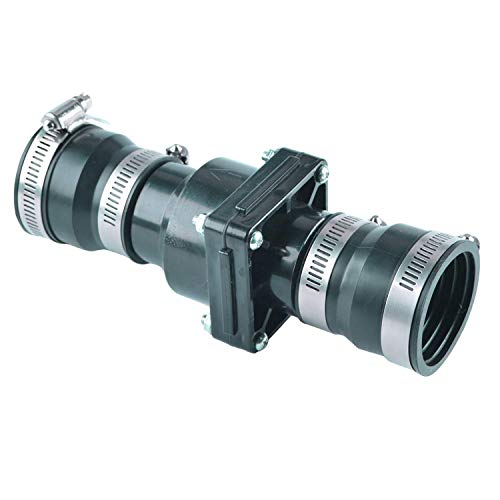
Hydro Master Plastic Sump Pump Check Valve with Stainless Steel Clamps for 1-1/2 inch or 1-1/4 inch
1-1/2" or 1-1/4" Slip-on check valve for most sump pumps
As an affiliate, we earn on qualifying purchases.
As an affiliate, we earn on qualifying purchases.

6699 Tankless Water Heater Flushing Kit Includes 1/6HP Submersible Sump Pump with Two Adapters & 3 Gallons Pail with Bucket Lid Opener & Two 1/2” Dia X 6’ PVC Hoses with Washers
【Tankless Heater Clean Kit】This cleaning kit comes with everything you need to maintain your water heating system. Helps…
As an affiliate, we earn on qualifying purchases.
As an affiliate, we earn on qualifying purchases.