
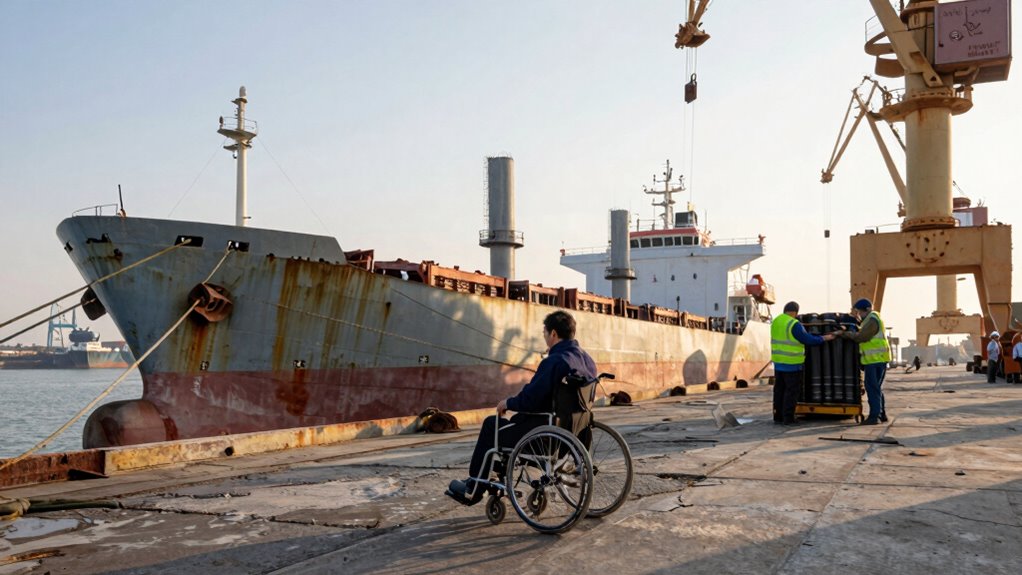

When tendering ports with mobility needs, you must prioritize integrating remote infrastructure and accessibility standards to guarantee safety, efficiency, and inclusivity. This involves evaluating remote-controlled systems, sensors, and digital tools that enhance operation and accommodate diverse user needs. You should also consider compliance with legal guidelines and future-proofing investments for adaptability. Focusing on these factors helps you make strategic decisions that improve port performance and stakeholder satisfaction—keep exploring to uncover the key considerations involved.

Get travel and outdoor gear delivered free — and shop member deals
- Fast, free delivery on millions of items
- Access to Prime Big Deal Days deals on October 6–7
- Prime Video, Amazon Music and more included
Key Takeaways
- Assess existing port infrastructure for remote accessibility features to identify gaps and improvement opportunities.
- Incorporate accessibility standards into tender specifications to ensure compliance and inclusive design.
- Evaluate the integration of remote-controlled systems for enhanced mobility and operational efficiency.
- Prioritize adaptable infrastructure that can accommodate future technological advancements and regulatory changes.
- Engage stakeholders, including mobility-impaired users, to inform decision-making and ensure practical needs are met.
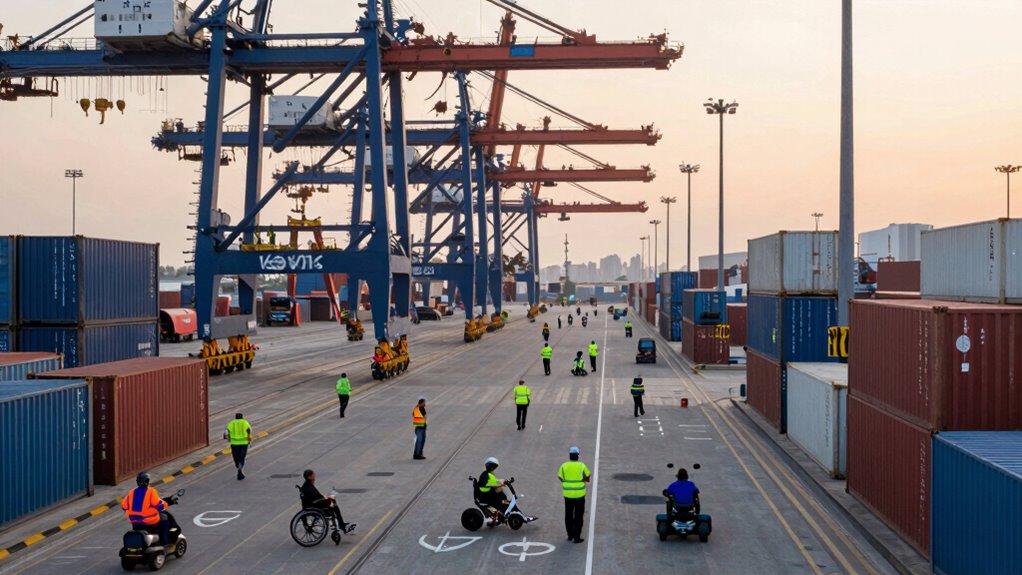
Ports with mobility needs face unique challenges that can impact their efficiency and safety. When you’re managing or designing a port that must accommodate diverse mobility requirements, understanding the importance of remote infrastructure becomes essential. Remote infrastructure allows you to extend your port’s operational capabilities beyond traditional boundaries, providing seamless access for individuals with mobility impairments. This can include remote-controlled vehicles, automated systems, and digital tools that facilitate movement and communication. By integrating robust remote infrastructure, you guarantee that accessibility isn’t limited by physical barriers, which is fundamental for meeting both safety standards and operational demands. Incorporating navigation and mapping explainers can further optimize movement and aid in planning accessible routes throughout the port. Accessibility standards serve as a foundational guideline you should adhere to when developing or upgrading port facilities. These standards are designed to guarantee that everyone, regardless of physical ability, can navigate the port safely and efficiently. They influence everything from the design of walkways and loading zones to signage and communication systems. When you prioritize accessibility standards, you’re not only complying with legal requirements but also enhancing overall operational effectiveness. For example, installing ramps, tactile paving, and audible signals guarantees that mobility-impaired individuals can move independently and without unnecessary delays, reducing congestion and potential accidents.
Remote infrastructure enhances port accessibility, safety, and operational efficiency for diverse mobility needs.
Incorporating remote infrastructure aligned with accessibility standards allows you to create a more inclusive environment. For instance, remote sensors can monitor accessibility features and alert staff to issues that need quick resolution, preventing delays caused by equipment failures or inaccessible pathways. Automated systems can also streamline processes such as cargo handling, reducing physical strain and wait times for personnel and visitors alike. This integration makes your port more resilient, adaptable, and compliant, especially when serving a diverse range of users or adhering to evolving regulations.
Furthermore, considering remote infrastructure and accessibility standards together helps you future-proof your port operations. As technology advances, having a flexible and accessible infrastructure ensures you can incorporate new solutions with minimal disruption. It also demonstrates a commitment to safety and inclusivity, which can improve your port’s reputation and foster better relationships with clients, regulators, and the community. Ultimately, addressing mobility needs through thoughtful planning and investment in remote infrastructure and adherence to accessibility standards isn’t just a legal obligation—it’s a strategic move that enhances safety, efficiency, and overall port performance.
remote-controlled port vehicle systems
As an affiliate, we earn on qualifying purchases.
As an affiliate, we earn on qualifying purchases.
Frequently Asked Questions
How Do Ports Assess Mobility Needs During Planning?
You assess mobility needs during port planning by analyzing cargo handling requirements and evaluating infrastructure capabilities. You consider the types of cargo, container sizes, and transportation modes to guarantee smooth operations. Additionally, you prioritize environmental sustainability by incorporating eco-friendly solutions, such as electric equipment or alternative energy sources. This extensive approach helps you create efficient, sustainable port facilities that meet current and future mobility needs effectively.
What Are the Cost Implications of Mobility Adaptations?
You should conduct a thorough cost analysis to understand the financial impact of mobility adaptations. Adaptation strategies, like installing ramps or accessible equipment, often require upfront investments but can reduce long-term costs by improving efficiency and safety. Considering these factors helps you balance budget constraints with the need for accessible infrastructure, ensuring your port meets mobility needs without overspending. This strategic approach optimizes resources and enhances port functionality.
Which Technologies Best Support Flexible Port Mobility?
You should consider autonomous vehicles and IoT integration as the best technologies for flexible port mobility. Autonomous vehicles enable seamless, driverless movement of containers and equipment, reducing delays and labor costs. IoT integration provides real-time data, enhancing coordination and decision-making. Together, these technologies create a smarter, more adaptable port environment, improving efficiency and safety while supporting diverse mobility needs across different port operations.
How Do Mobility Needs Impact Port Infrastructure Design?
They say “necessity is the mother of invention,” and your port’s mobility needs shape its infrastructure design. You must prioritize flexible layouts that support diverse cargo handling equipment, ensuring smooth operations. By doing so, you minimize environmental impact, reduce congestion, and enhance efficiency. Adapting to mobility demands means investing in versatile infrastructure that can evolve, ultimately creating a more sustainable, effective port environment tailored to your cargo handling needs.
What Are Future Trends in Port Mobility Solutions?
You’ll see future port mobility solutions increasingly rely on autonomous vehicles and green energy solutions. Autonomous vehicles will enhance efficiency and safety by reducing manual handling, while green energy solutions will lower emissions and promote sustainability. Expect investments in electrified infrastructure, smart logistics, and renewable-powered transport systems. These trends aim to create more adaptable, eco-friendly ports that meet evolving mobility needs and support global sustainability goals.
Conclusion
When choosing tender ports with mobility needs, picture yourself steering a bustling harbor, where every decision shapes your journey. The decision tree guides you through vibrant options—each port offering unique access points, smooth transfers, and seamless connections. By understanding your mobility needs, you can confidently steer toward ports that feel like welcoming gateways, turning what might seem complex into a clear, inviting path. Your perfect port awaits—ready to transform your voyage into a smooth, memorable adventure.
Fall Picks
fall essentials
As an affiliate, we earn on qualifying purchases.