
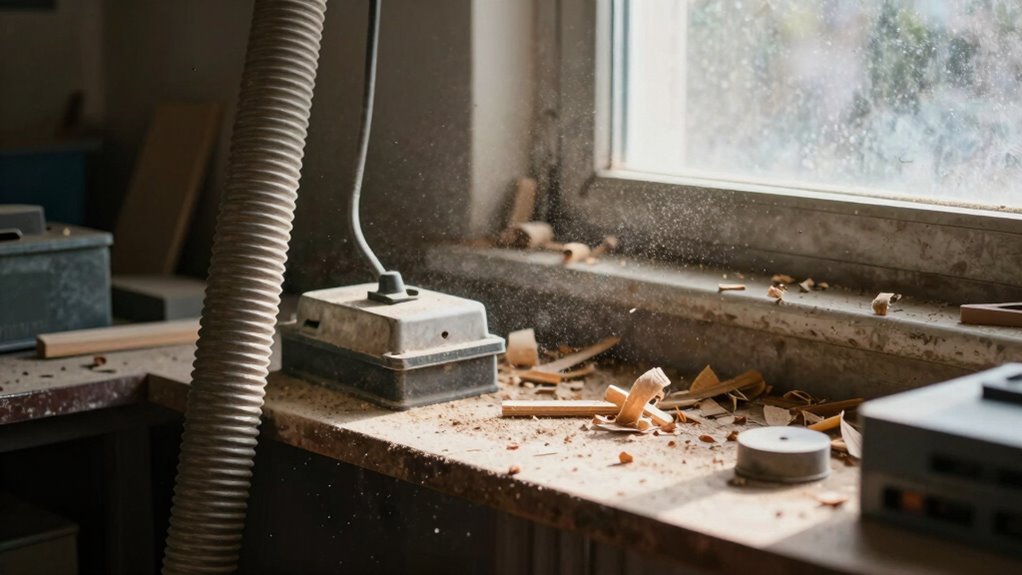

You might think dust extraction is optional because dust particles are invisible and don’t seem urgent until air quality worsens. Many dismiss it when dust isn’t visibly floating or seems manageable until breathing becomes harder or health issues start. The silent buildup can cause long-term health problems if ignored. Investing in proper dust management now can prevent bigger issues later—stay with us to understand why proactive dust control is essential for your health.

Get travel and outdoor gear delivered free with Prime
- Fast, free delivery on millions of items
- Prime Video, Amazon Music and more included
- Member-only deals all year
Key Takeaways
- Dust often appears invisible or manageable, leading to underestimation of its health risks.
- Airborne dust accumulates gradually, making it hard to notice until it impacts air quality noticeably.
- People tend to prioritize immediate tasks over long-term health benefits of dust extraction.
- The health effects of dust are silent and develop over time, reducing perceived urgency.
- Proper dust extraction is seen as an unnecessary expense until air pollution and health issues become evident.
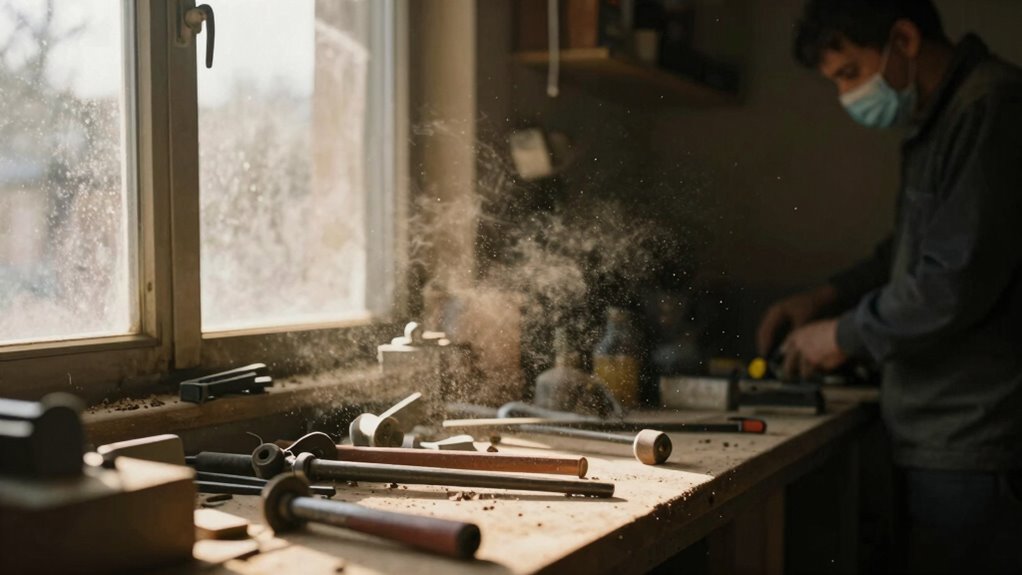
Have you ever noticed how dust extraction often feels like an unnecessary hassle until the air quality suddenly takes a turn for the worse? It’s easy to dismiss dust collection systems as extra work that you can put off. After all, when things seem clean enough and dust isn’t visibly floating around, it’s tempting to think the effort isn’t worth it. But what you might not realize is how airborne particles, tiny as they are, can silently threaten your respiratory health. When dust isn’t properly extracted, these microscopic particles linger in the air, increasing the risk of respiratory issues for anyone exposed. Over time, inhaling dust can lead to health problems like asthma, bronchitis, or other chronic respiratory conditions.
Dust extraction may seem unnecessary until poor air quality harms your respiratory health over time.
You might not notice the impact of airborne particles right away. They’re invisible to the naked eye, so you often don’t realize how much dust is suspended until it becomes overwhelming. When dust accumulates and isn’t extracted, it gets stirred up easily, especially during routine work or cleaning. Suddenly, you find yourself breathing in a cloud of dust that irritates your lungs and eyes. That’s when dust extraction begins to seem essential, but only after the air quality has already deteriorated. By then, you’ve already been exposed to the harmful effects of airborne particles, and your respiratory health might be compromised. Proper dust management can help prevent this scenario by maintaining healthier air quality before issues arise. Additionally, effective dust extraction systems can significantly reduce the amount of airborne dust, making the environment safer and healthier.
The real danger with neglecting dust extraction lies in the cumulative effects. Small amounts of dust might seem harmless at first, but over weeks and months, those airborne particles add up. They can settle in your lungs or trigger allergic reactions, especially if you’re sensitive or prone to respiratory conditions. Good dust extraction systems reduce the number of particles in the air, making a noticeable difference in indoor air quality. When these systems are functioning properly, they catch dust at the source, preventing it from becoming airborne and infiltrating your breathing space. Proper maintenance of dust extraction systems is essential to ensure they continue to operate effectively and protect your health. Additionally, air quality management plays a crucial role in ensuring a healthier indoor environment, emphasizing the importance of proper dust extraction and ventilation solutions. Neglecting these systems can lead to increased indoor pollution, which is often overlooked but significantly impacts overall health. Ignoring dust extraction might seem convenient at the moment, but it’s a false economy. The short-term effort saves time, but it puts your respiratory health at risk over the long term. Once the air quality dips and airborne particles become pervasive, you’ll realize how essential proper dust extraction is to maintain a healthier environment. Better to invest in effective dust control now than to deal with the health consequences later. The truth is, good dust extraction isn’t optional—it’s a critical part of protecting yourself and anyone else in your space from airborne particles that threaten respiratory health.
dust extraction system for workshop
As an affiliate, we earn on qualifying purchases.
As an affiliate, we earn on qualifying purchases.
Frequently Asked Questions
How Often Should Dust Extraction Systems Be Inspected?
You should inspect your dust extraction system regularly, ideally monthly, to guarantee peak performance. During inspections, focus on filter maintenance, checking for clogs or damage, and replacing filters as needed. Also, evaluate system upgrades to enhance efficiency and safety. Regular inspections prevent buildup, improve air quality, and extend the system’s lifespan, keeping your workspace safe and compliant with health standards. Don’t wait until air quality worsens—stay proactive.
What Are the Health Risks of Poor Air Quality Indoors?
Poor indoor air quality can seriously harm your health. Indoor pollutants like dust, mold, and chemicals can trigger respiratory issues, worsen asthma, and lead to long-term lung problems. When dust extraction isn’t used or maintained, these pollutants build up, increasing health risks. You might not notice immediate effects, but over time, your respiratory health suffers. Regular dust extraction helps keep indoor air clean, protecting your lungs and overall well-being.
Can Dust Extraction Improve Overall Workspace Safety?
Yes, dust extraction substantially improves your overall workspace safety by maintaining better air quality. It removes airborne dust particles that can cause respiratory issues or accidents. Incorporate safety protocols that include effective dust extraction systems to protect your health and that of your team. By actively controlling dust, you reduce hazards and create a safer, healthier environment, preventing long-term health problems and ensuring compliance with workplace safety standards.
Are There Legal Standards for Indoor Air Quality?
Indoor air quality standards are like a safety net, ensuring your workspace stays healthy. Yes, there are legal standards for indoor pollutants, set by agencies like OSHA and EPA. These regulations aim to limit airborne contaminants and improve air quality. Staying compliant means you actively control indoor pollutants, preventing long-term health issues. Ignoring these standards risks poor air quality, which can harm your health and productivity over time.
What Are Cost-Effective Ways to Upgrade Dust Extraction Systems?
To upgrade your dust extraction system cost-effectively, focus on improving air filtration components and establishing regular maintenance schedules. Upgrading filters to higher efficiency options can markedly enhance dust removal without breaking the bank. Additionally, routine maintenance guarantees the system functions at its best, preventing costly breakdowns. You can also consider sealing leaks and optimizing ductwork to boost performance, saving money while maintaining healthier indoor air quality.
Conclusion
You might think dust extraction is optional until poor air quality hits home. Remember, indoor air can contain over 2.5 million dust particles per cubic foot, which can cause respiratory issues and allergies. Ignoring dust extraction may seem harmless now, but it’s like ignoring a small leak — eventually, it leads to serious problems. Prioritize clean air today to prevent costly health issues tomorrow. Don’t wait until it’s too late; your lungs will thank you.
Halloween Picks
halloween
As an affiliate, we earn on qualifying purchases.