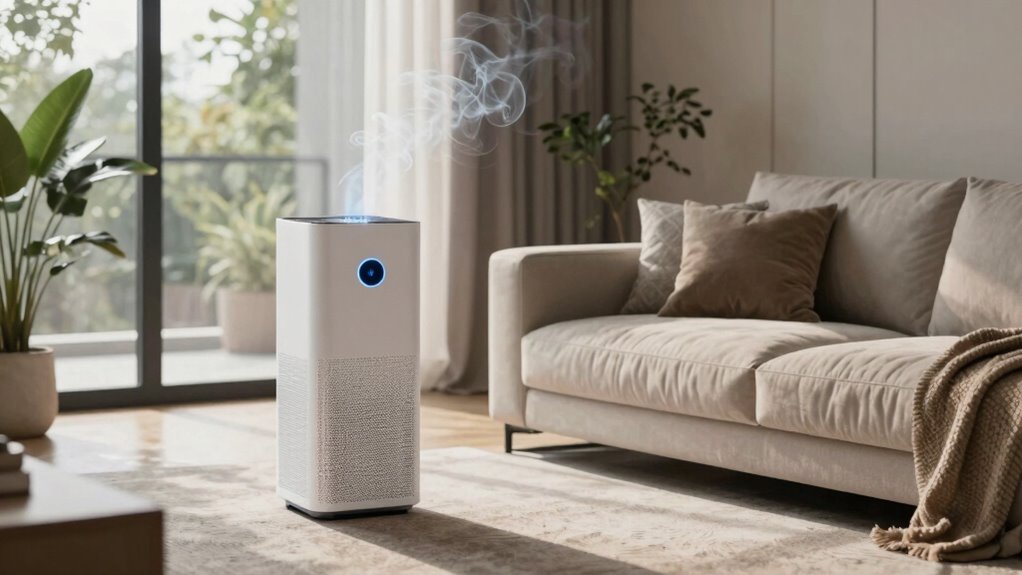

To effectively protect your indoor air during wildfire smoke, simply buying an air purifier isn’t enough; you need a smart room strategy. Proper placement near your main living or sleeping areas, sealing gaps, and keeping windows closed make a big difference. Poor airflow management or neglecting maintenance reduces performance. Implementing these steps creates a stronger barrier against smoke. If you want to learn how to design a ideal indoor environment, there’s more to uncover.

Get travel and outdoor gear delivered free with Prime
- Fast, free delivery on millions of items
- Prime Video, Amazon Music and more included
- Member-only deals all year
Key Takeaways
- Proper placement near sleeping and living areas maximizes purifier effectiveness for wildfire smoke.
- Sealing gaps and controlling ventilation prevent outdoor smoke infiltration and improve indoor air quality.
- Relying solely on one device in a single room is insufficient; multi-room strategies are essential.
- Maintaining devices regularly ensures optimal filtration performance during prolonged wildfire seasons.
- Combining air purifiers with barriers and indoor plants creates a layered defense against smoke infiltration.
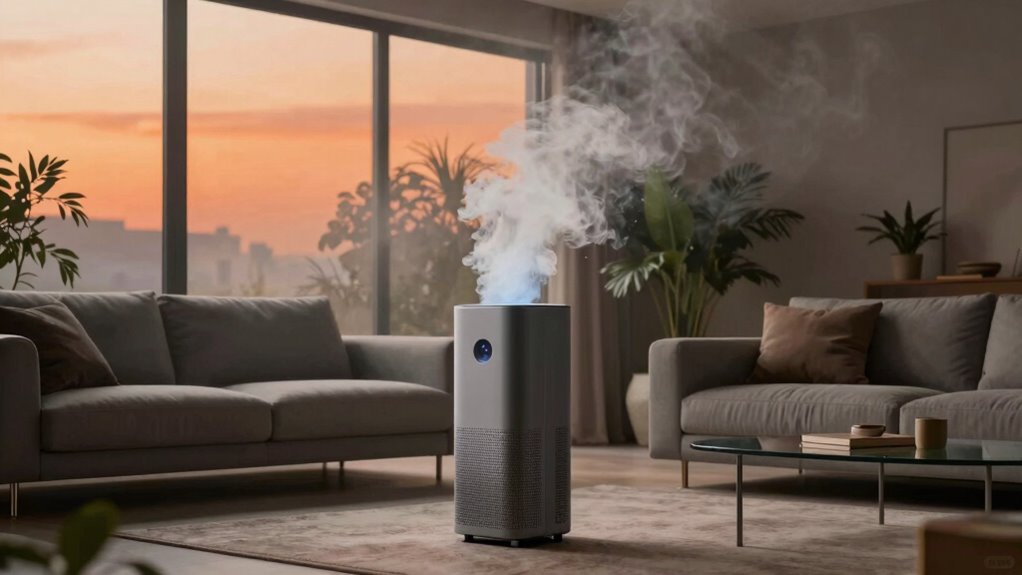
Have you ever wondered how to safeguard yourself from the harmful effects of wildfire smoke? When wildfire smoke drifts into your area, it’s not enough to just buy an air purifier and hope for the best. Many people assume that once they have a device in place, they’re fully protected. But the truth is, air purifier maintenance and a well-thought-out room strategy are essential to effective protection. Simply placing an air purifier in a corner or a single room won’t cut it, especially during prolonged or heavy smoke events. The smoke particles are tiny and can easily circulate throughout your home, which means you need to think about how to optimize your space for maximum filtration and air quality.
Effective wildfire smoke protection requires proper air purifier placement and comprehensive room strategies.
Indoor plant benefits come into play here, too. Certain houseplants can help improve indoor air quality by naturally filtering some pollutants. While they shouldn’t replace your air purifier, strategically placing plants in rooms can enhance overall air cleaning. They create a more comfortable environment and add to your defense against airborne toxins. But remember, plants alone won’t remove all the harmful particles from wildfire smoke, so they’re part of a broader room strategy, not the whole solution.
Air purifier maintenance is another critical aspect often overlooked. Regularly replacing filters, cleaning vents, and checking the device’s operation can ensure your purifier works at peak efficiency. A poorly maintained unit won’t filter out smoke particles effectively, which defeats the purpose of having one in the first place. During wildfire seasons, you might need to run your purifier continuously, making maintenance even more crucial. Neglecting these steps can lead to reduced airflow and compromised filtration, risking your health and comfort. Proper air quality management is essential to maintaining a healthy indoor environment during such events.
A better room strategy involves positioning your air purifier correctly—ideally near areas where you spend the most time, like your living room or bedroom. Keep doors and windows closed to prevent new smoke from entering, and consider using additional barriers, such as sealing gaps around windows or vents. Combining this with indoor plants and diligent air purifier upkeep maximizes your indoor air quality. Additionally, understanding how air circulation impacts particle movement can help you fine-tune your setup for optimal results. Proper ventilation strategies can also aid in removing stale or contaminated air from indoor spaces, further improving air quality. Incorporating airflow management techniques can prevent the buildup of smoke particles indoors and enhance overall effectiveness. Remember, wildfire smoke isn’t just an outside problem; it becomes an indoor issue that requires a thoughtful, multi-layered approach.
As an affiliate, we earn on qualifying purchases.
Frequently Asked Questions
How Often Should Filters Be Replaced During Wildfire Season?
During wildfire season, you should replace filters every 4 to 6 weeks to maintain ideal filtration. The filter lifespan depends on smoke intensity and air quality, so if you notice reduced airflow or lingering odors, consider replacing filters sooner. Regular replacement ensures your air purifier continues to effectively remove smoke particles, protecting your indoor air quality. Keep an eye on the replacement frequency to maximize your purifier’s performance throughout wildfire season.
Can Air Purifiers Effectively Remove Harmful Wildfire Smoke Toxins?
Did you know wildfire smoke contains over 4,000 toxins? Air purifiers can effectively improve indoor air quality and assist in smoke toxin removal, but their effectiveness depends on the filter type and room size. HEPA filters capture most particles, including harmful toxins, while activated carbon filters absorb gases and odors. To maximize protection, position your purifier strategically and run it continuously during wildfire season.
What Room Size Is Ideal for Optimal Purifier Performance?
You should choose an air purifier suited for your room size, ideally one that covers the entire space for maximum performance. To enhance effectiveness, guarantee good air circulation by placing the purifier away from furniture blocking airflow. Proper furniture placement allows the purifier to circulate and clean the air efficiently, especially during wildfire smoke events. Keep the unit centrally located and avoid obstructions for the best results.
Are Portable Air Purifiers Better Than Whole-House Systems?
Portable air purifiers often outperform whole-house systems for wildfire smoke because they target specific areas, improving air quality faster. You can move them where needed, but keep in mind, they require regular filter maintenance to stay effective. Whole-house systems cover larger spaces but may not be as efficient in wildfire conditions. So, choose a portable purifier for quick, focused relief, ensuring filters are clean for peak performance.
How Does Room Layout Impact Air Purifier Efficiency?
Your room layout considerably impacts air purifier efficiency. Ventilation patterns determine how effectively air circulates, so placing your purifier near windows or vents can help. Furniture placement also matters; avoid blocking airflow with large pieces, which can create stagnant air zones. By arranging furniture to promote good airflow and positioning the purifier strategically, you maximize its ability to filter out wildfire smoke and improve indoor air quality.
Conclusion
So, if you think just tossing a wildfire smoke air purifier in any corner will save your lungs, think again! Without a smart room strategy, you’re basically inviting the smoke to throw a party right there. You need to be the hero who understands airflow, placement, and timing—otherwise, your purifier is just a fancy paperweight. Get it right, and your home won’t just be cleaner; it’ll be a fortress against the smoky apocalypse. Stay sharp, breathe easy!
Halloween Picks
halloween
As an affiliate, we earn on qualifying purchases.