
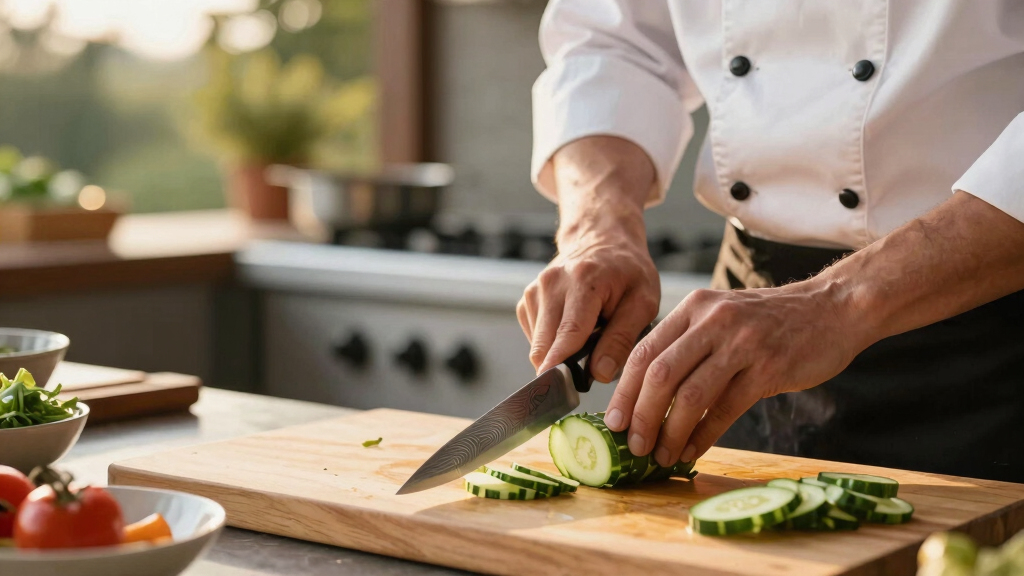

When searching for the best chef knives over $500, you’re looking at tools that combine exceptional craftsmanship, premium materials, and precise performance. The Yoshihiro Damascus SG2 stands out for its balanced blend of beauty and cutting power, making it our top overall pick. The Nesmuk C100 offers unparalleled elegance and craftsmanship for collectors, while the KRAMER by ZWILLING Damascus Collection provides a refined option for professional chefs. Buyers in this price range must weigh factors like material durability, edge retention, and handle ergonomics, often trading off affordability for ultimate quality. Keep reading for a detailed breakdown of these standout options and what makes each unique.

Get travel and outdoor gear delivered free with Prime
- Fast, free delivery on millions of items
- Prime Video, Amazon Music and more included
- Member-only deals all year
Key Takeaways
- The top-performing knives in this range excel in edge retention and material quality, often featuring high-end steel like HAP40 or ZDP189.
- Design and handle ergonomics vary significantly; those with stabilized or traditional wood handles appeal differently depending on user preference.
- Most premium knives balance beauty and functionality, but some trade off ease of maintenance for aesthetic appeal.
- The difference between semi-stainless and full-stainless steels influences durability and rust resistance, impacting long-term care.
- Pricing within this category reflects craftsmanship and rarity, making some knives more suitable for collectors than everyday use.


More Details on Our Top Picks
Yoshihiro Damascus SG2 (R2) Semi-Stainless Gyuto Chefs Knife (10.5” (270mm), Stabilized Maple Burl Handle & Triple Ring)
The Yoshihiro Damascus SG2 Gyuto stands out for its exceptional edge retention, thanks to SG2 semi-stainless steel forged at high temperatures, making it ideal for high-volume professional kitchens. Compared with the KRAMER by ZWILLING, it offers a more traditional craftsmanship approach and lighter weight, though it involves more delicate care—hand wash only and attention to acidity. Its octagonal handle provides an ergonomic grip, perfect for extended prep work, but may be less suitable for users seeking a more modern or heavier knife. This model is well-suited for serious chefs who prioritize performance and artistry, but less so for those who prefer low-maintenance knives or frequent dishwasher cleaning.
Pros:- Exceptional edge retention with HRC 64-65 steel
- Traditional Japanese craftsmanship with beautiful Damascus pattern
- Lightweight and ergonomic octagonal maple burl handle
Cons:- Requires careful hand washing and maintenance
- Not suitable for cutting bones or frozen foods
Best for: Professional chefs or serious home cooks seeking a handcrafted, high-performance Gyuto with excellent edge retention.
Not ideal for: Beginners or busy kitchens needing dishwasher-safe, low-maintenance knives with less delicate metallurgy.
- Blade Length:10.5 inches
- Steel Type:SG2 Semi-Stainless
- Hardness:HRC 64-65
- Handle Material:Stabilized Maple Burl
- Construction:Forged
- Edge:Single bevel
Bottom line: Ideal for experienced cooks who want a handcrafted, versatile Japanese chef’s knife with stunning aesthetics and top-tier performance.
Exclusive Chef’s Knife C100 by Nesmuk
The Nesmuk C100 with Bog Oak handle offers a distinctive luxury aesthetic, making it a statement piece for collectors and chefs who appreciate exclusivity. Compared with Yoshihiro’s traditional craftsmanship, this knife emphasizes artistic design and a limited production feel, though it may lack the same level of technical edge retention or versatility. Its elegant handle complements its balanced weight, but some users might find it less practical for high-volume or aggressive prep tasks. This pick makes the most sense for those who value craftsmanship as much as cutting performance, but less so for chefs needing maximum durability or easy maintenance.
Pros:- Unique Bog Oak handle with natural beauty
- Limited edition, highly collectible design
- Impeccable craftsmanship with a luxurious feel
Cons:- Less suited for heavy or daily chopping
- High maintenance and care required to preserve finish
Best for: Collectors or culinary enthusiasts seeking a beautifully crafted, limited-edition luxury knife for display or occasional use.
Not ideal for: Commercial kitchens or everyday cooks who need a rugged, easy-to-care-for workhorse knife.
- Blade Length:Not specified
- Handle Material:Bog Oak
- Steel Type:Not specified
- Construction:Handcrafted
- Edge:Not specified
Bottom line: Perfect for those who want a rare, handcrafted luxury knife that doubles as art, but less so for demanding daily use.
Yoshihiro High Carbon Blue Steel Damascus Kiritsuke Sushi Chefs Knife 10.5
The Yoshihiro Blue Steel Damascus Kiritsuke combines stunning layered Damascus patterns with a high hardness of 64-65 on the Rockwell scale, making it a top choice for intricate slicing and precision work. Compared to the more versatile Gyuto by Yoshihiro, the Kiritsuke’s single-edged blade excels for sushi and sashimi but might feel less balanced for general chopping. Its octagonal ebony handle enhances control, while its layered damascus finish offers visual appeal. However, the high-carbon steel requires meticulous care to prevent rust, unlike stainless options like the KRAMER. This knife suits chefs or enthusiasts who prioritize aesthetic beauty and fine detail work, but less so for those seeking a low-maintenance, all-purpose tool.
Pros:- Striking layered Damascus pattern with mosaic finish
- High carbon steel with excellent edge sharpness
- Traditional octagonal ebony handle for control
Cons:- Requires rigorous maintenance to prevent rust
- Limited versatility outside delicate slicing
Best for: Sushi chefs or connoisseurs who appreciate layered Damascus aesthetics and precision slicing.
Not ideal for: Home cooks or professionals needing a durable, low-maintenance all-rounder for daily heavy-duty tasks.
- Blade Length:10.5 inches
- Steel Type:Blue Steel Aoko
- Hardness:HRC 64-65
- Handle Material:Ebony, Octagonal
- Blade Type:Single-edged
- Pattern:Damascus Suminagashi
Bottom line: A visually stunning, precision-focused knife for sashimi and fine work, but not suited for heavy-duty kitchen tasks.
Michel BRAS No. 5 Santoku Knife, 9” Handcrafted All Purpose Knife, 3 Layer Stainless Steel Blade, Black Pakkawood Handle, Precision and Sharpness for Professional and Home Chefs
The Michel BRAS No. 5 Santoku offers a balanced blend of craftsmanship and practicality, with a 3-layer stainless steel blade coated for durability and sharpness. Compared with the Yoshihiro Blue Steel Damascus, it provides lower maintenance and better resistance to corrosion, making it more suitable for busy kitchens. Its black Pakkawood handle feels natural and comfortable, and the 9-inch size covers most prep tasks efficiently. While it may lack the ornate aesthetic of traditional Japanese knives, its functional design makes it ideal for daily slicing, dicing, and mincing. However, its stainless steel construction might not hold an edge as long as high-carbon steels, and it’s slightly heavier than lighter, handcrafted options.
Pros:- Durable 3-layer stainless steel with titanium coating
- Comfortable, water-resistant Pakkawood handle
- Versatile for various kitchen tasks
Cons:- Edges may require more frequent sharpening than high-carbon steels
- Less ornate than traditional handcrafted knives
Best for: Home cooks or professionals looking for a reliable, all-purpose Santoku with excellent sharpness and easy maintenance.
Not ideal for: Specialists needing a dedicated sashimi or precision slicing knife, or those wanting a highly decorative or traditional craft-focused piece.
- Blade Length:9 inches
- Steel Type:3-layer stainless steel
- Handle Material:Pakkawood
- Blade Coating:Titanium carbon nitride
- Construction:Stamped
- Edge:Single
Bottom line: A dependable, versatile Santoku that balances craftsmanship and practicality for daily kitchen use.
KRAMER by ZWILLING EUROLINE Damascus Collection 10-inch Chef’s Knife
The KRAMER by ZWILLING EUROLINE Damascus embodies modern craftsmanship with its 101-layer Chevron Damascus pattern and SG2 powder steel core. Compared with the Yoshihiro Damascus models, it offers a more contemporary, polished look with highly refined hand sharpening for exceptional sharpness. Its double-tapered blade and tang balance precision with comfort, making it an excellent choice for chefs who want both beauty and functional excellence. However, the weight and balance may lean toward those preferring a heftier, more substantial knife, unlike the lighter Yoshihiro options. This knife fits well for chefs seeking a high-end, stylish, and extraordinarily sharp kitchen tool, though it involves a higher price point and requires care to maintain its finish.
Pros:- Striking 101-layer Damascus pattern
- High-quality SG2 powder steel core
- Traditional 3-step hand sharpening for precision
Cons:- Heavier than some handcrafted Japanese knives
- Requires careful maintenance to prevent corrosion
Best for: Culinary professionals or enthusiasts who value classic Damascus aesthetics paired with exceptional sharpness and balance.
Not ideal for: Cooks who prefer lighter, more delicate knives or those not comfortable with high-maintenance Damascus finishes.
- Blade Length:10 inches
- Steel Type:SG2 Powder Steel
- Layer Pattern:Chevron Damascus
- Hardness:HRC 63-65
- Handle Material:Stainless Steel
- Construction:Triple-tapered
Bottom line: A beautifully crafted Damascus knife suited for those who want exceptional sharpness and style, but less ideal for light or low-maintenance needs.
Yoshihiro HAP40 High Speed Stainless Steel Suminagashi Gyuto Chefs Knife Triple Ring Stabilized Maple Burl Handle (9.5″(240mm) & Saya)
This Yoshihiro Gyuto stands out for its exceptional combination of cutting edge metallurgy and craftsmanship, making it the best choice for those who demand both beauty and performance. Its HAP-40 steel with a Rockwell hardness of 65-66 offers unparalleled edge retention, outlasting many other high-end options like the Yoshihiro ZDP189 Gyuto. Compared with the Victorinox Damast Limited Edition, this knife provides a more durable, high-performance steel, though it requires more careful maintenance due to its high carbon content. The Suminagashi marbling adds a stunning aesthetic, but each blade’s unique pattern means no two are exactly alike. Its traditional Wa-style handle ensures lightweight comfort for extended use, yet the high hardness may make sharpening more challenging for beginners. Overall, this pick makes the most sense for professional chefs or serious enthusiasts seeking a handcrafted, long-lasting blade with artful design.
Pros:- Exceptional edge retention thanks to HAP-40 steel with 65-66 HRC
- Handcrafted Japanese art with mesmerizing Suminagashi patterns
- Lightweight, ergonomic Wa-style handle for seamless use
- Forged at high temperatures for superior durability
Cons:- Requires careful maintenance to prevent oxidation and rust
- Sharpening demands skill and appropriate water whetstones
Best for: Professional chefs and advanced home cooks who prioritize edge retention and craftsmanship.
Not ideal for: Casual cooks or beginners who prefer easier maintenance and a more forgiving steel composition.
- Blade Material:HAP-40 Stainless Steel
- Edge Angle:Double Edged
- HRC:65-66
- Knife Style:Gyuto Chef Knife
- Blade Length:9.5 Inches
- Made in:Japan
- Handle Material:Triple Ring Stabilized Maple Burl
Bottom line: This knife is perfect for professionals or serious enthusiasts seeking a high-performance, handcrafted Japanese gyuto with stunning aesthetics.
TOSHU 210 mm (8.27 inch) Chef’s Knife, Manually Sharpened Japanese Kitchen Knife Produced Utilizing Japanese Sword-Making Techniques – Real Damascus – 65 Layers
This TOSHU Damascus knife excels in its meticulous craftsmanship, utilizing 65 layers of real Damascus steel to create a blade that’s both stunning and highly durable. Its 60-step manufacturing process ensures a level of quality far superior to mass-produced knives like the Victorinox Damast Limited Edition. The manually sharpened edge results in a thin, razor-sharp blade that handles both professional and home kitchen tasks with ease. Compared to the Yoshihiro HAP40 Gyuto, this knife emphasizes traditional Japanese sword-making techniques, providing a more artisanal feel but possibly requiring more frequent honing. Its lightweight 18-8 stainless steel handle offers comfort but lacks the luxury feel of premium wood handles. This knife makes the most sense for those who value traditional craftsmanship and a blade that balances beauty with functional toughness, though it may be less forgiving for novice sharpeners.
Pros:- 65 layers of real Damascus steel for durability and aesthetic appeal
- Handcrafted with over 60 processes, ensuring high quality
- Thin, sharp edge ideal for precise cuts
- Lightweight design for easy handling
Cons:- Requires regular honing to maintain sharpness
- Handle material may feel less premium than wood options
Best for: Serious cooks who appreciate traditional Japanese forging methods and high durability.
Not ideal for: Beginners or those preferring low-maintenance, stainless-steel options with less sharpening required.
- Blade Material:Real Damascus Steel, 65 Layers
- Handle Material:18-8 Stainless Steel
- Blade Length:8.27 Inches
- Edge:Double Edged
- Made in:Japan
- Construction:Hand-forged with 60+ processes
Bottom line: This knife suits those seeking a highly durable, traditionally made Damascus blade with exceptional craftsmanship for daily use.
The Victorinox Swiss Modern Damast limited edition combines Swiss precision with striking aesthetics, making it a standout choice for collectors and those who want visual impact along with performance. Its Damasteel blade with a Thor pattern offers a distinctive look that sets it apart from more traditional Japanese blades like the Yoshihiro HAP40 Gyuto. While the handle’s ergonomic walnut wood adds a touch of warmth and comfort, the overall craftsmanship emphasizes style over some of the finer traditional details found in handcrafted Japanese knives. Compared with the Yoshihiro or TOSHU options, this knife is more about art and uniqueness, though its high-quality damasteel ensures excellent slicing and durability. It’s best suited for home cooks or collectors who value exclusivity and design, but less ideal for those needing a knife that’s simple to maintain or sharpen regularly.
Pros:- Limited edition with unique Thor patterned Damasteel blade
- Luxurious walnut wood handle provides comfort and style
- Excellent craftsmanship from Victorinox since 1884
- Perfect for display and special occasions
Cons:- More focused on aesthetics than ease of sharpening
- Handle may feel less premium than traditional Japanese wood handles
- Limited practical use for intensive professional kitchen work
Best for: Collectors and home chefs seeking a limited-edition, visually stunning kitchen knife.
Not ideal for: Professionals or serious cooks who prefer traditional Japanese steel and straightforward maintenance.
- Blade Material:Damasteel Damast Steel
- Handle Material:Walnut Wood
- Blade Length:8.5 Inches
- Design Pattern:Thor Pattern
- Made in:Switzerland
- Special Feature:Limited Edition
Bottom line: This knife appeals most to collectors or design-conscious cooks wanting a distinctive, high-quality limited edition piece.
Yoshihiro HAP40 High Speed Stainless Steel Gyuto Chefs Knife Triple Ring Ebony Handle (8.25” (210mm))
This Yoshihiro Gyuto with an ebony handle offers outstanding performance thanks to its HAP-40 steel, combining sharpness, edge retention, and stain resistance. Its 8.25-inch blade is slightly more maneuverable for those who prefer a more agile knife but still delivers professional-grade cutting. Compared to the 9.5-inch model, this version is better suited for intricate tasks and smaller hands, though it sacrifices some surface area for bulkier chopping. The high cobalt content ensures durability, yet the ebony handle adds a luxurious feel, though it may be less forgiving in humid environments. While not as ornate as the Suminagashi pattern, this model emphasizes functionality and longevity, making it ideal for chefs who need a reliable, long-lasting tool. However, its smaller size may be less suited for large-scale prep work.
Pros:- High-speed HAP-40 steel with excellent edge retention
- Durable, stain-resistant, and easy to sharpen
- Luxurious ebony handle adds elegance
- 8.25-inch size offers great maneuverability
Cons:- Smaller blade size may be limiting for large tasks
- Ebony handle requires care in humid conditions
Best for: Chefs and home cooks who want a highly durable, versatile, and manageable Japanese gyuto.
Not ideal for: Cooks requiring a larger blade for big cutting tasks or those preferring traditional wooden handles.
- Blade Material:HAP-40 Stainless Steel
- Handle Material:Ebony
- Blade Length:8.25 Inches
- Blade Style:Gyuto
- HRC:65-66
- Made in:Japan
Bottom line: This model is ideal for cooks needing a dependable, versatile Japanese gyuto that balances size, durability, and style.
MASAMOTO KS Japanese Gyuto Chef’s Knife with Sheath 9.5″ (240mm) Made in JAPAN, Professional Kitchen Chef Knife, Ultra Sharp Japanese Carbon Steel Blade, Octagonal Maple Wood Handle, Yellow
The MASAMOTO KS 9.5-inch Gyuto is a meticulously crafted Japanese chef’s knife, renowned for its ultra-sharp Shirogami White Steel #2 blade. Its 62-63 HRC ensures a perfect balance between hardness and ease of sharpening, outperforming many stainless counterparts like the Victorinox Damast in terms of traditional craftsmanship. The octagonal maple handle offers a comfortable grip and a classic aesthetic, making it an excellent choice for professional chefs who appreciate authentic Japanese quality. Compared with the Yoshihiro HAP40 options, this knife emphasizes traditional carbon steel techniques, which may require more careful maintenance but reward with a finer, more precise cut. It’s a top pick for those who value authenticity and cutting precision over steel hardness or low maintenance.
Pros:- Authentic Japanese craftsmanship with over 150 years of history
- High-quality Shirogami White Steel for sharpness and precision
- Comfortable octagonal maple handle for easy grip
- Made in Japan with traditional forging techniques
Cons:- Requires careful maintenance to prevent rust and oxidation
- Sharpening needs skill and water whetstones
- Less stain-resistant compared to stainless options
Best for: Professional chefs and meticulous home cooks prioritizing traditional Japanese craftsmanship and precision.
Not ideal for: Casual cooks seeking low-maintenance, stainless steel options or those unfamiliar with carbon steel care.
- Blade Material:Shirogami White Steel #2
- Handle Material:Octagonal Maple Wood
- Blade Length:9.5 Inches
- HRC:62-63
- Made in:Japan
- Construction:Traditional Japanese forging
Bottom line: This knife is ideal for traditionalists and professionals who seek a precise, authentic Japanese gyuto with excellent edge sharpness.
Yoshihiro ZDP189 Super High Carbon Stainless Steel Suminagashi Gyuto Knife (8.25” (210mm))
This Yoshihiro Suminagashi Gyuto stands out for its stunning marbled pattern and exceptional steel quality, making it a top choice for those who value both beauty and high-performance cutting. Compared to the Yoshihiro Damascus SG2 model, this knife’s ZDP-189 steel offers even superior edge retention, though it demands more meticulous care due to its high hardness of 66-67 HRC. This means fewer sharpenings over time, ideal for professional chefs or dedicated home cooks who prioritize longevity. However, the high hardness also makes it more prone to chipping if used improperly, especially on harder ingredients or frozen foods—a real tradeoff for the extreme edge durability. The octagonal handle provides comfortable grip, but its delicate aesthetic may not appeal to those seeking a more robust, everyday workhorse. Overall, this pick is best suited for meticulous chefs who want an heirloom-quality knife that combines artistry with cutting precision.
Pros:- Outstanding edge retention thanks to ZDP-189 steel
- Beautiful Suminagashi pattern adds artistic value
- High hardness (66-67 HRC) for superior cutting performance
- Lightweight octagonal handle for ergonomic control
Cons:- Requires careful sharpening with water whetstones, not easy to maintain
- More prone to chipping on hard or frozen ingredients
- High hardness makes it less forgiving for inexperienced users
Best for: Professional chefs or serious home cooks who need a blade with exceptional edge retention and are comfortable with high-maintenance care.
Not ideal for: Casual cooks or those new to Japanese knives who prefer easier-to-maintain steel and a more forgiving handle design.
- Blade Material:ZDP-189 stainless steel
- Edge Angle:Double edged
- Handle Material:Ebony with triple ring
- Handle Shape:Octagonal
- Blade Length:8.25 inches (210mm)
- HRC:66-67
Bottom line: This knife excels for those who seek a handcrafted, visually stunning blade that delivers extreme precision and durability, provided they are prepared for its demanding care needs.

How We Picked
To determine the best chef knives over $500, I focused on key factors that matter most to serious cooks and collectors: material quality, edge retention, craftsmanship, and usability. Each knife was evaluated for its steel type, handle construction, balance, and overall build quality. I also considered the reputation of the maker and the knife’s design features that influence daily use. The ranking prioritizes knives that offer the best combination of performance, durability, and value within this high-end price segment. Knives that excel in one area but fall short in others were placed lower, ensuring the list reflects well-rounded options for discerning buyers.Factors to Consider When Choosing Best Chef Knives Over $500
Choosing a chef knife over $500 involves more than just looking at the price. High-end knives are investments, so understanding key factors can help you find a tool that matches your cooking style, maintenance preferences, and aesthetic taste. Here are the main considerations to keep in mind when selecting a premium chef knife:Material and Steel Quality
Steel type directly impacts edge retention, corrosion resistance, and ease of sharpening. High-end steels like HAP40 and ZDP189 are prized for their durability and ability to hold a razor-sharp edge longer, but they may require specialized sharpening tools. Some knives feature layered Damascus steel, which combines strength and beauty but can be more delicate or difficult to sharpen. Balancing steel properties with your willingness to maintain the blade is key to making a lasting choice.
Blade Shape and Size
The shape and length of the blade influence how comfortable and versatile the knife is. A 8.25” to 10.5” gyuto is standard for general-purpose use, offering enough length for slicing and chopping. However, larger blades may feel unwieldy for smaller hands or detailed tasks, while shorter blades can be more nimble. Consider your typical workload and hand size to match the blade shape to your style.
Handle Construction and Comfort
Handles range from traditional wood to stabilized burl and modern composites. The choice affects grip, balance, and maintenance. Stabilized handles tend to be more resistant to moisture and easier to care for, while natural wood handles offer a classic aesthetic. Ergonomics matter—look for handles that fit comfortably in your hand for prolonged use, especially if you spend hours slicing or dicing.
Craftsmanship and Construction
Attention to detail in forging, welding, and finishing distinguishes premium knives. Hand-forged blades often feature a fuller tang and meticulous edge work, translating into better durability and performance. Machine-made knives can still be highly refined but may lack the same level of artisanal detail. Decide whether you prioritize craftsmanship as a collector or prefer a slightly more utilitarian build for daily use.
Maintenance and Longevity
High-end knives require proper care to maintain their performance. Some steels are more forgiving and resistant to rust, while others need regular honing and careful cleaning. Consider whether you want a knife that can be easily sharpened at home or if you’re comfortable with professional sharpening services. Investing in a high-quality honing steel or stone can extend the life of your knife significantly.
Frequently Asked Questions
How do I choose between semi-stainless and full-stainless steel blades?
Semi-stainless steels often offer a good balance between ease of sharpening and corrosion resistance, making them suitable for everyday professional use. Full-stainless steels tend to be more resistant to rust and require less maintenance, ideal for busy kitchens or less experienced users. Your choice depends on how much time you’re willing to dedicate to upkeep and whether you prefer a blade that stays sharp longer without frequent sharpening.
Is a higher price always better for chef knives over $500?
While higher prices often reflect superior craftsmanship, rare materials, or brand prestige, they do not always guarantee better performance for every user. Some knives offer exceptional features for their price, while others might prioritize aesthetics or collection value. It’s important to consider your specific needs, such as daily use, maintenance tolerance, and handling preferences, rather than just the price tag alone.
What steel should I look for if I want minimal maintenance?
Knives made from high-quality stainless steels like VG10, ZDP189, or certain powder steels tend to require less frequent sharpening and resist rust better than traditional high-carbon steels. These steels blend durability with corrosion resistance, making them suitable for users who prefer a low-maintenance tool. However, they still benefit from proper cleaning and storage to keep them in top condition.
How important is handle material in the overall performance of a chef knife?
Handle material influences grip comfort, balance, and maintenance. Natural woods like ebony or stabilized burl provide a traditional look and a warm feel but may need more care to prevent cracking or warping. Modern composites and stabilized woods are more resistant to moisture and easier to clean, often providing a more consistent feel for prolonged use. Ultimately, choosing a handle that fits your hand and maintenance preferences is key to satisfying long-term use.
Should I prioritize craftsmanship or brand reputation when buying a high-end chef knife?
Both factors matter, but craftsmanship often has a more direct impact on the knife’s performance and durability. A well-forged, hand-finished blade will typically outperform a mass-produced one, even if the brand is less well-known. However, reputable brands can offer peace of mind regarding quality control and resale value. Balancing craftsmanship with brand reputation ensures you get a knife that meets your expectations for both performance and collectibility.
Conclusion
The best overall pick for most users remains the Yoshihiro Damascus SG2 due to its balanced combination of performance, craftsmanship, and aesthetic appeal. For those seeking exceptional value, the Victorinx Swiss Modern Damast Limited Edition offers premium quality at a slightly more accessible price point. The KRAMER by ZWILLING Damascus suits professional chefs who want a refined, reliable tool, while beginners or casual cooks might prefer a more forgiving, easy-to-maintain option. Collectors and enthusiasts with a passion for artistry should consider the Nesmuk C100 for its craftsmanship and exclusivity. Use these recommendations to select a knife that best matches your cooking style, maintenance preferences, and budget at this premium level. As an affiliate, we earn on qualifying purchases.Halloween Picks
halloween