
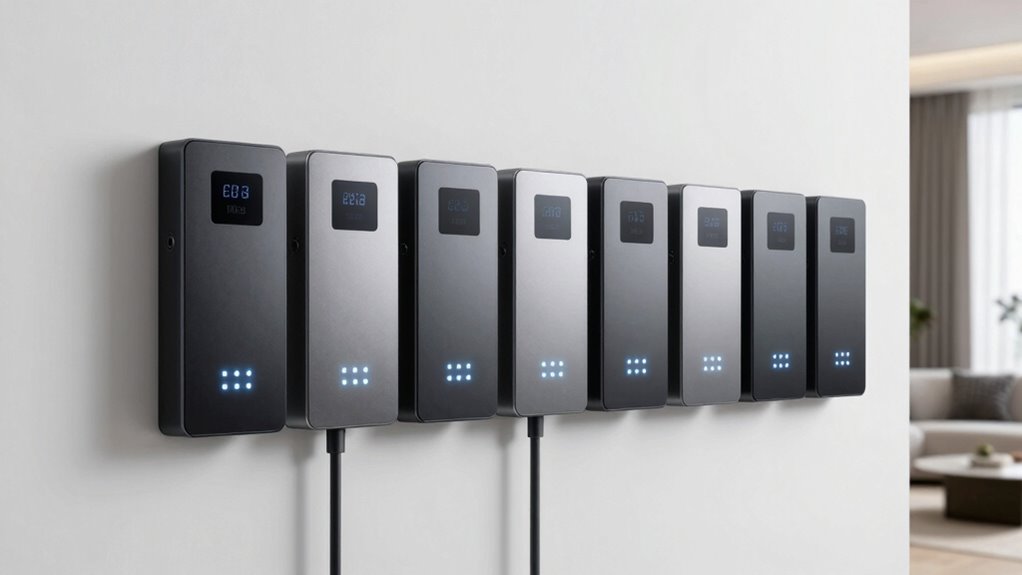

For most homes, my best overall pick is the Intermatic IG2240-IMSK, a whole-house model designed for 120/240 VAC panels; the ABB THOMESURGEP stands out for its Type 1 design and NEMA 3R enclosure, while the Square D Homeline SurgeBreaker suits compatible Homeline panels. The main choice is between a dedicated device installed at or near the panel and a panel-specific breaker-style protector, with compatibility and installation often mattering more than headline amp claims. These products are not all described as smart monitors, so check for actual connectivity or alerts if remote status is part of your goal. Read on for the full comparison, selection criteria, and guidance on matching a protector to your panel.

Get travel and outdoor gear delivered free — and shop member deals
- Fast, free delivery on millions of items
- Access to Prime Big Deal Days deals on October 6–7
- Prime Video, Amazon Music and more included
Complete the kit


Key Takeaways
- Panel compatibility separates the breaker-style picks: the Type BR units and Square D Homeline device are not interchangeable; the panel make and series must match.
- Type 1 and Type 2 labels affect installation choices: ABB, HSPD Square, and Leviton are listed as Type 1 devices, while Intermatic and LIDER are Type 2.
- An outdoor-rated enclosure is a distinct advantage: ABB’s NEMA 3R rating makes it a standout where the mounting location needs weather protection.
- The 3-pack Type BR listing is a quantity choice, not a different protection design: compare it with the single-pack option based on project needs and panel compatibility.
- “Smart” should not be assumed from “whole-home”: the listed product names do not establish app control, connected monitoring, or alerts, so verify those features separately.
| Intermatic IG2240-IMSK Smart Guard Whole-House Surge Protector, 120/240 VAC |  | Best for Replaceable Protection Modules | Model: IG2240-IMSK | Voltage: 120/240 VAC | Protection: Whole-house surge protection | VIEW ON AMAZON | See Our Full Breakdown |
| LIDER Type 2 Whole-House Surge Protective Device, 120/240 VAC |  | Best Plug-On Pick for Compatible Panels | Brand: LIDER | Model: LSP-2BR10-BK | Voltage: 120/240 VAC | VIEW ON AMAZON | See Our Full Breakdown |
| ABB THOMESURGEP Whole-Home Surge Protection Device, Type 1 SPD, NEMA 3R |  | Best for Service-Entrance or Sub-Panel Placement | Brand and model: ABB THOMESURGEP | Device type: Type 1 surge protective device | Voltage: 120/240 V and 120/208 V AC | VIEW ON AMAZON | See Our Full Breakdown |
| FHSPD108S Whole-House Surge Protector, 108,000 Amps, 120/240V |  | Best for Broad Load-Center Compatibility | Model: FHSPD108S | Surge capacity: 108,000 amps | System voltage: 120/240V | VIEW ON AMAZON | See Our Full Breakdown |
| Type BR Whole-Panel Circuit Breaker Surge Protective Device (1 Pack) |  | Best for Type BR Panels with Available Space | Type: BR | Pack size: 1 pack | Circuit spaces used: 2 | VIEW ON AMAZON | See Our Full Breakdown |
| Square D Homeline SurgeBreaker Surge Protection Device, 25 kA, 120/240 V |  | Best for Homeline Panels | Model: HOM2175SB | Brand: Square D by Schneider Electric | Voltage: 120/240 V | VIEW ON AMAZON | See Our Full Breakdown |
| HSPD Square Whole-Home Surge Protective Device, Type 1, 120/240 VAC (HSPD-25) |  | Best for Flexible Placement | Model: HSPD-25 | Device type: Type 1 surge protective device | Voltage: 120/240 VAC | VIEW ON AMAZON | See Our Full Breakdown |
| Leviton R2120-B Type 1 Residential Surge Protective Panel, 120/240 VAC |  | Best for Enclosed Outdoor Installation | Model: R2120-B | Device type: Type 1 surge protective device | Application: Residential | VIEW ON AMAZON | See Our Full Breakdown |
| Type BR Whole-Panel Circuit Breaker Surge Protective Device, 3-Pack |  | Best Multi-Panel Pack | Pack size: 3 devices | Device type: Whole-panel circuit breaker surge protective device | Panel designation: Type BR | VIEW ON AMAZON | See Our Full Breakdown |
| smart home surge protectors for full panel | Model | Voltage |
|---|---|---|
| Intermatic IG2240-IMSK Smart G | IG2240-IMSK | 120/240 VAC |
| LIDER Type 2 Whole-House Surge | LSP-2BR10-BK | 120/240 VAC |
| ABB THOMESURGEP Whole-Home Sur | — | 120/240 V and 120/208 V AC |
| FHSPD108S Whole-House Surge Pr | FHSPD108S | — |
| Type BR Whole-Panel Circuit Br | — | — |
| Square D Homeline SurgeBreaker | HOM2175SB | 120/240 V |
| HSPD Square Whole-Home Surge P | HSPD-25 | 120/240 VAC |
| Leviton R2120-B Type 1 Residen | R2120-B | — |
| Type BR Whole-Panel Circuit Br | — | — |
More Details on Our Top Picks
Intermatic IG2240-IMSK Smart Guard Whole-House Surge Protector, 120/240 VAC
The Intermatic IG2240-IMSK suits homeowners who want a panel-connected protector with serviceable components rather than a unit that must be replaced as a whole. Its three replaceable IModules have LED status indicators, and the included disconnect switch makes module replacement more manageable. That service-friendly design sets it apart from the FHSPD108S, which emphasizes broad load-center compatibility and indoor or outdoor placement instead. Intermatic’s Type 1 enclosure is specified for indoor metal applications, so it is not the flexible placement choice in this group. It also needs wiring at the main electrical breaker panel, which makes installation a job for someone qualified to work there. The listed connected-equipment warranty is another useful distinction, though buyers should check its terms rather than treat it as a promise of coverage for every surge event.
Pros:- Three replaceable IModules allow module service without replacing the full SPD unit
- LED indicators show power and protection status
- Included disconnect switch assists with module replacement
- Lists a $50,000 connected-equipment warranty for 10 years
Cons:- Requires wiring to the main electrical breaker panel
- Enclosure is designed for indoor metal applications, limiting installation options
Best for: Homeowners who want replaceable surge modules, visible status indicators, and a disconnect switch for service at an indoor metal panel.
Not ideal for: Buyers needing an outdoor-rated installation or a plug-on device; this model is specified for indoor metal applications and requires panel wiring.
- Model:IG2240-IMSK
- Voltage:120/240 VAC
- Protection:Whole-house surge protection
- Modules:Three replaceable IModules with LED indicators
- Disconnect switch:Included
- Enclosure:Type 1, for indoor metal applications
- Connected-equipment warranty:$50,000 for 10 years
Our verdict“Choose the Intermatic if replaceable modules and service indicators matter more to you than outdoor flexibility or a plug-on installation.”
LIDER Type 2 Whole-House Surge Protective Device, 120/240 VAC
The LIDER LSP-2BR10-BK is the panel-specific choice for buyers whose load center matches its listed compatibility: Siemens SN, Eaton BRP, or GE TLM. Its plug-on format can avoid the separate enclosure and wiring approach used by the Intermatic IG2240-IMSK, but that convenience depends on having the right panel and breaker type. LIDER lists support for QP, BR, and THQL breakers, plus 10 kA surge current capacity and a green status LED. The UL listing is useful documentation for a panel-mounted device, while the one-year warranty is shorter than the Intermatic’s stated connected-equipment warranty. This is a more focused fit than the broadly compatible FHSPD108S; buyers should confirm their exact load-center model before choosing it and plan for electrical-panel installation.
Pros:- Plug-on design supports direct installation in a compatible panel
- UL-listed
- Green LED provides a protection-status indicator
- Lists compatibility with specified Siemens, Eaton, and GE load centers
Cons:- Compatibility is limited to listed load-center and breaker types
- Panel installation is required
- One-year warranty is limited compared with the Intermatic’s stated coverage period
Best for: Homeowners with a compatible Siemens SN, Eaton BRP, or GE TLM load center who prefer a direct plug-on Type 2 device.
Not ideal for: Owners of panels outside the listed families, or buyers who want a longer stated warranty or an SPD with broader panel compatibility.
- Brand:LIDER
- Model:LSP-2BR10-BK
- Voltage:120/240 VAC
- Surge current capacity:10 kA
- SCCR:10 kA
- Compatible load centers:Siemens SN Series, Eaton BRP Series, GE TLM Series
- Supported breaker types:QP, BR, THQL
- Indicator and certification:Green LED; UL-listed
- Warranty:1 year
Our verdict“Pick LIDER when your panel is on its compatibility list and direct plug-on installation is a priority.”
ABB THOMESURGEP Whole-Home Surge Protection Device, Type 1 SPD, NEMA 3R
The ABB THOMESURGEP stands out for installation flexibility at the service entrance or a sub-panel, while its design does not occupy breaker spaces. That can matter in a full panel where adding a two-space device, as required by the Type BR 18 kA protector, would displace branch circuits. ABB also lists a 200 kA SCCR and compatibility with 120/240 V and 120/208 V AC systems. Those figures describe different device characteristics, so they should not be mistaken for a direct surge-capacity comparison with products that publish an amp surge rating. Compared with the plug-on LIDER, ABB is less tied to a specific breaker family, but it is still a panel installation intended for qualified electrical work. Its 50–60 Hz operating range and US voltage systems make it a specialized fit rather than a universal option.
Pros:- Supports service-entrance or sub-panel installation
- Designed not to occupy breaker spaces
- Lists 200 kA SCCR
- Supports 120/240 V and 120/208 V AC systems
Cons:- Panel installation may require a qualified installer
- The provided data does not state a surge-current capacity comparable to amp-rated alternatives
- Designed for US electrical systems and may require an adapter or converter elsewhere
Best for: Homeowners planning service-entrance or sub-panel protection who need to preserve scarce breaker spaces and can arrange qualified installation.
Not ideal for: DIY buyers seeking a simple plug-on unit, or households outside the listed US voltage systems that need a clearly specified local installation fit.
- Brand and model:ABB THOMESURGEP
- Device type:Type 1 surge protective device
- Voltage:120/240 V and 120/208 V AC
- SCCR:200 kA
- Nominal discharge current:10 kA
- Operating frequency:50–60 Hz
- Installation:Service entrance or sub-panel; does not occupy breaker spaces
- Compliance:Complies with NEC 2023 Article 230.67 requirements
Our verdict“Choose ABB when installation location and preserving breaker spaces matter more than a plug-on format or a published amp surge-capacity figure.”
FHSPD108S Whole-House Surge Protector, 108,000 Amps, 120/240V
The FHSPD108S is the broad-fit option in this group: it is listed as compatible with any brand of load center or circuit breaker and supports indoor or outdoor installation. Its stated 108,000-amp capacity gives buyers a clear headline figure, while LED indicators provide a quick status check. Compared with the LIDER, it avoids a short named list of compatible panel families; compared with the ABB THOMESURGEP, the provided specs give a surge-capacity figure but do not mention installation at a service entrance or sub-panel. The unit is compact, but successful protection still depends on correct installation and sound grounding. The product information warns that grounding problems or improper use can create installation issues, and an electrician familiar with surge protectors may be needed.
Pros:- Stated surge capacity of 108,000 amps
- Compatible with any brand of load center or circuit breaker, according to the product data
- Supports indoor or outdoor installation
- Compact design with LED status indicators
Cons:- Grounding problems or improper installation can affect use
- May require an electrician familiar with surge-protector installation
- Provided specs do not identify a Type 1 or Type 2 classification
Best for: Homeowners seeking an indoor-or-outdoor whole-house protector with broad stated load-center compatibility and a published 108,000-amp capacity.
Not ideal for: Buyers who need a named Type 1 classification, panel-space details, or a plug-on installation method; those details are not provided here.
- Model:FHSPD108S
- Surge capacity:108,000 amps
- System voltage:120/240V
- Frequency:60Hz
- Installation:Indoor or outdoor
- Compatibility:Any brand of load center or circuit breaker
- Status indicators:LED
Our verdict“Choose the FHSPD108S if broad stated panel compatibility and indoor-or-outdoor placement outweigh the missing installation-class details.”
Type BR Whole-Panel Circuit Breaker Surge Protective Device (1 Pack)
This Type BR whole-panel device is a straightforward option for buyers with a compatible Type BR panel and two open branch-circuit spaces. Its stated 18 kA surge current capacity is higher than the LIDER’s listed 10 kA figure, though the products differ in their published specifications and should not be judged by that number alone. The space requirement is the main practical tradeoff: unlike the ABB THOMESURGEP, which is designed not to occupy breaker spaces, this unit uses two. Product details also provide little compatibility information beyond the Type BR designation, so panel fit needs careful verification before purchase. Unlike the broadly compatible FHSPD108S, this is a narrower panel-family pick, and the provided information does not describe status indicators, enclosure rating, or warranty.
Pros:- Designed for whole-panel surge protection
- Lists an 18 kA surge current
- Breaker-style format integrates with a Type BR panel
- Single-pack format suits buyers needing one device
Cons:- Uses two branch-circuit spaces
- Compatibility information beyond Type BR is limited
- Provided product data does not specify status indicators or an enclosure rating
Best for: Homeowners with a verified Type BR panel, two unused branch-circuit spaces, and a preference for a breaker-mounted whole-panel device.
Not ideal for: Owners of non-Type BR panels, full panels without two available spaces, or buyers who need documented indicators, enclosure details, or broader compatibility.
- Type:BR
- Pack size:1 pack
- Circuit spaces used:2
- Surge current:18 kA
- Device format:Whole-panel circuit breaker surge protective device
- Panel compatibility:Type BR; further compatibility details not specified
Our verdict“Choose this Type BR unit only if your panel fit is confirmed and you can spare two circuit spaces.”
Square D Homeline SurgeBreaker Surge Protection Device, 25 kA, 120/240 V
The Square D Homeline SurgeBreaker is the clearest fit here for a homeowner with a compatible Homeline load center who wants surge protection installed directly at the panel. Its plug-on design also allows use at listed service entrance locations and CSEDs, while the LED indicator gives a quick visual status check. Compared with the HSPD HSPD-25, which claims compatibility with breakers from any brand and indoor or outdoor placement, this model is more tightly tied to one panel family. That narrower fit can make selection simpler for Homeline owners, but it rules out buyers with other panels. Plan for two open panel spaces; a crowded load center may make this option impractical. The supplied data lists UL 1449 3rd Edition and 25 kA, but not a remote alert or smart-home connection.
Pros:- Provides surge protection for circuits and receptacles throughout the home
- Plug-on installation for compatible Homeline equipment
- LED indicator provides a visible status check
- Listed for service entrance locations, CSEDs, and Homeline load centers
Cons:- Requires two load-center spaces
- Panel compatibility is limited to specified Homeline equipment
- No smart connectivity or remote alert is listed
Best for: Homeowners with a compatible Square D Homeline load center, CSED, or listed service entrance location and two available panel spaces.
Not ideal for: Owners of non-Homeline panels or crowded load centers, since compatibility is specific and installation takes two spaces.
- Model:HOM2175SB
- Brand:Square D by Schneider Electric
- Voltage:120/240 V
- Phase and wiring:1-phase, 3-wire
- Installation:Plug-on; requires 2 spaces
- Compatible locations:Service entrance locations, CSEDs, and Homeline load centers
- Certification:UL 1449 3rd Edition Listed
Our verdict“Choose this if you own compatible Homeline equipment and have two spaces available; skip it if you need cross-brand fit or app-connected monitoring.”
HSPD Square Whole-Home Surge Protective Device, Type 1, 120/240 VAC (HSPD-25)
The HSPD-25 suits buyers who need more installation flexibility than a panel-specific plug-on device offers. It is described as a Type 1 SPD, works with circuit breakers from any brand, and is rated for indoor or outdoor installation. That makes it a broader-fit candidate than the Square D Homeline SurgeBreaker, whose compatibility is limited to specified Homeline equipment. The compact design may also help where mounting room is tight. The main drawback is unclear surge-capacity labeling: the listing gives 25/50/80 kA without identifying which value applies to this model. I would confirm the exact rating and installation requirements before choosing it over products with a single stated figure. No LED status indicator or smart-home monitoring is specified.
Pros:- Type 1 device intended for whole-home appliance protection
- Compatible with circuit breakers from any brand
- Suitable for indoor or outdoor installation
- Compact design may suit restricted mounting areas
Cons:- The 25/50/80 kA capacity figures do not identify the rating for this model
- No LED status monitoring is listed
- The supplied specifications do not identify a smart-home or remote-alert feature
Best for: Homeowners and electricians seeking a Type 1 device with indoor-or-outdoor placement and broad breaker-brand compatibility.
Not ideal for: Buyers who need a clearly documented surge rating or listed status monitoring, since the capacity figures are ambiguous and no indicator is specified.
- Model:HSPD-25
- Device type:Type 1 surge protective device
- Voltage:120/240 VAC
- Surge capacity:Listed as up to 25/50/80 kA; applicable value not specified
- Circuit breaker compatibility:Any brand
- Installation:Indoor or outdoor
- Design:Compact
Our verdict“Pick the HSPD-25 when flexible placement and cross-brand breaker compatibility matter most, but verify its applicable surge rating before purchase.”
Leviton R2120-B Type 1 Residential Surge Protective Panel, 120/240 VAC
The Leviton R2120-B stands apart from the plug-on Square D Homeline SurgeBreaker with a standalone, NEMA 4X-rated enclosure and Type 1 protection for residential split-phase systems. That enclosure rating makes it a candidate for installations needing a more protected housing, while the LED status light and thermally protected MOVs add useful visibility and component-level protection. Its published figures are specific: 18 kA per mode / 36 kA per phase, with a 10 kA nominal discharge current. Those details make comparison easier than the HSPD-25’s unresolved 25/50/80 kA listing, though the ratings should not be treated as directly interchangeable measures. The tradeoff is system fit: this is for compatible 120/240 VAC split-phase residential service, not a universal panel accessory. No smart app or remote notification is specified.
Pros:- Type 1 protection for residential split-phase systems
- NEMA 4X-rated enclosure
- LED status monitoring
- Thermally protected MOVs and specified surge-current figures
Cons:- Limited to compatible residential split-phase installations
- No smart-home app or remote alert is listed
- Not described as a plug-on device, so installation and mounting needs differ from panel-breaker models
Best for: Homeowners with compatible 120/240 VAC split-phase service who need a separately enclosed Type 1 device for an indoor or exposed installation location.
Not ideal for: Buyers seeking a plug-on Homeline accessory, a device for a different electrical system, or app-based surge notifications.
- Model:R2120-B
- Device type:Type 1 surge protective device
- Application:Residential
- Voltage and phase:120/240 VAC, split phase
- Maximum surge current:18 kA per mode / 36 kA per phase
- Nominal discharge current:10 kA
- Maximum continuous operating voltage:180 V
- Enclosure and monitoring:NEMA 4X-rated; LED status monitoring
- Listing:UL 1449
Our verdict“Choose the Leviton when a separately enclosed Type 1 device and clear electrical ratings suit your split-phase installation.”
Type BR Whole-Panel Circuit Breaker Surge Protective Device, 3-Pack
This Type BR three-pack is the lineup’s practical choice for buyers outfitting multiple compatible panels or keeping matching devices on hand. Each unit uses two branch-circuit spaces and carries an 18 kA surge-current rating, so its appeal is quantity and panel integration rather than a standout rating. Compared with the Square D Homeline SurgeBreaker, it is identified as a Type BR device rather than a Homeline-specific plug-on protector; panel and breaker compatibility still need checking before purchase. The supplied data does not name a status light, enclosure rating, certification, or smart monitoring, so it offers less documented installation and status detail than the Leviton R2120-B. The three-device format is useful only if you need multiple units; a single-panel buyer may have no reason to choose a pack.
Pros:- Three devices included for multiple panel installations
- Designed for whole-panel surge protection
- Uses two branch-circuit spaces
- Stated 18 kA surge-current rating
Cons:- Requires two branch-circuit spaces per device
- Panel compatibility details beyond the Type BR designation are not supplied
- No status indicator, smart feature, or certification is listed in the provided data
Best for: Owners, landlords, or electricians preparing to protect several compatible Type BR panels and who can confirm fit before installation.
Not ideal for: Single-panel buyers, owners of panels that do not accept the Type BR device, or anyone requiring documented status monitoring or smart alerts.
- Pack size:3 devices
- Device type:Whole-panel circuit breaker surge protective device
- Panel designation:Type BR
- Branch-circuit spaces used:2 per device
- Surge current:18 kA
Our verdict“Choose this pack for multiple confirmed Type BR installations; for one panel or a need for documented monitoring, compare other options first.”
How We Picked
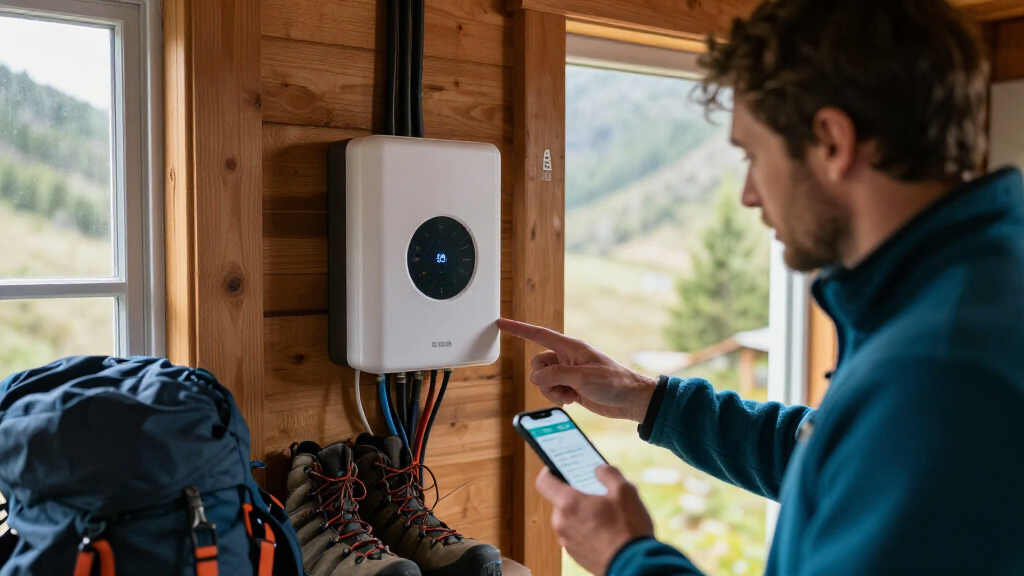
I ranked these nine options around what determines whether a whole-panel surge protector is a workable fit: panel and voltage compatibility, device type, installation format, enclosure suitability, and the clarity of the available product specifications. A protector that matches a buyer’s electrical panel and intended mounting location is more useful than one with an attention-grabbing amp figure but unclear fit. I also separated dedicated whole-house devices from panel-specific breaker products because they solve the installation decision in different ways.
The ranking gives the strongest positions to options with a clearly differentiated use case, such as Intermatic as the broad whole-house lead, ABB for Type 1 and NEMA 3R needs, and Square D for Homeline panel owners. LIDER and the other dedicated devices remain relevant alternatives, while the Type BR listings rank around their exact panel fit and single-pack versus multi-pack choice. Since the listed names do not confirm smart connectivity, I treat remote monitoring as an item buyers must verify rather than a feature I can credit to any product.
| smart home surge protectors for full panel | Model |
|---|---|
| Intermatic IG2240-IMSK Smart G | IG2240-IMSK |
| LIDER Type 2 Whole-House Surge | LSP-2BR10-BK |
| ABB THOMESURGEP Whole-Home Sur | — |
| FHSPD108S Whole-House Surge Pr | FHSPD108S |
| Type BR Whole-Panel Circuit Br | — |
| Square D Homeline SurgeBreaker | HOM2175SB |
| HSPD Square Whole-Home Surge P | HSPD-25 |
| Leviton R2120-B Type 1 Residen | R2120-B |
| Type BR Whole-Panel Circuit Br | — |
Factors to Consider When Choosing Smart Home Surge Protectors For Full Panels
Before choosing a device, I would start with the electrical panel and installation plan, then decide which protection and monitoring features matter. A full-panel protector is not automatically compatible with every service panel, and a “smart” label should mean something specific to the buyer.
Match the protector to the exact panel
Read the panel label for its manufacturer and series before comparing product names. Breaker-style protectors are especially specific: a Type BR device belongs with compatible BR equipment, while a Homeline product is for the corresponding panel family. Similar-looking breakers from different brands are not a safe substitute. A mismatch can prevent proper installation or compromise the panel’s intended listing and operation. If the label is missing or unclear, have an electrician identify the panel before ordering. This check can narrow the field faster than comparing surge figures.
Understand Type 1 and Type 2 installation roles
Type 1 and Type 2 identify different installation categories, not a simple ranking from weaker to stronger. A Type 1 device may be installed on the supply side of the main overcurrent device when its instructions and local requirements allow it; Type 2 units are generally installed on the load side. The permitted location depends on the product listing, service setup, and applicable electrical code. Do not choose by type label alone or assume every panel has space for a breaker-connected unit. Ask a qualified electrician which category and mounting position suit the home’s service equipment. That conversation can also reveal whether a dedicated enclosure is needed.
Check what “smart” means for your setup
Whole-house protection and smart-home connectivity are separate capabilities. A device may protect the panel without offering an app, network connection, event log, or remote fault alert. If you want notifications, look for explicit documentation of the communication method, supported platform, and the event or status information it reports. Also ask what happens when the connection or home network is down; protective operation should not depend on an app connection. Avoid treating a visible indicator light as equivalent to remote monitoring. Verify the exact feature set before buying if smart status reporting is central to your decision.
Compare protection specifications in context
A large surge-current number can attract attention, but it does not tell the whole story about protection. Check the product’s full technical documentation for ratings, modes of protection, voltage compatibility, and applicable listing information. Compare specifications from the same measurement basis rather than treating unlike figures as a direct contest. The home’s grounding and bonding also affect how a surge protection system performs, so a high-rated device cannot compensate for poor electrical connections. Ask whether the unit provides a status indication and how its instructions describe end-of-life behavior. Clear documentation is more useful than a single headline number.
Plan for enclosure, space, and installation
Where the protector will sit affects the right format. A NEMA 3R enclosure, as listed for the ABB option, is relevant when the installation location needs a weather-resistant enclosure, but the mounting details still need to match the site. Breaker-style products may save wall space yet require a compatible panel and available positions. Dedicated units may need a nearby mounting location and suitable wiring access. Do not assume installation is a simple homeowner task: service-panel work can expose hazardous voltage and may require a licensed electrician. Confirm labor, permits, clearances, and manufacturer instructions alongside the hardware choice.
Choose pack size and replacement support deliberately
A multi-pack is useful only when you have a defined need for the additional units, such as multiple compatible panels or a planned project. The 3-pack Type BR listing does not, by itself, indicate a different protection level from the single-pack listing. Store spare devices only if the manufacturer provides clear storage and replacement guidance, and confirm that each unit matches the intended panel. For any protector, review warranty terms, indicator behavior, and how to tell when replacement is needed. A status light that is hard to see or interpret can make maintenance less reliable. Prioritize a clear service plan over buying extra units without a use for them.
Frequently Asked Questions
Are these products all smart home surge protectors with app alerts?
No—the product names provided identify whole-house or panel surge protection, but they do not confirm app connectivity or remote alerts. I would check the manufacturer’s documentation for supported networks, smart-home platforms, alert types, and whether monitoring requires a separate hub. A status light on the device is not the same as a phone notification. If remote monitoring is a firm requirement, shortlist only products with explicit connectivity details before comparing protection formats.
Can I install a Type BR or Homeline surge protector in any electrical panel?
No. The Type BR breaker-style options are intended for compatible BR panels, and the Square D Homeline device is intended for compatible Homeline equipment. Matching voltage alone does not establish breaker compatibility. Check the panel’s label and the device’s approved panel list, then confirm the installation with a qualified electrician. If the panel series cannot be identified, do not guess based on appearance.
Should I choose a Type 1 device over a Type 2 device?
Not automatically. The two types relate to installation position and permitted use, and the right choice depends on the service equipment, device instructions, and local electrical rules. The ABB, HSPD Square, and Leviton listings identify Type 1 products, while Intermatic and LIDER are listed as Type 2. Ask an electrician which location is available and appropriate before treating the category as a quality ranking. A correctly selected and installed device matters more than choosing a label without checking fit.
Is the 3-pack Type BR listing a better choice than the single pack?
Only if you have a reason to use multiple units and the receiving panels are compatible. The listing indicates a three-unit quantity, not a separate protection design or a confirmed performance advantage over the single-pack version. If you have one panel, the extra units may add storage and compatibility questions without helping the installation. Compare the included product details and instructions, and ask your electrician how many devices the planned setup calls for. Do not install multiple units simply because they come in one package.
Will a whole-panel surge protector replace plug-in protectors or protect every device equally?
A panel-mounted protector addresses surges entering through the home’s electrical system, but it does not guarantee identical protection at every outlet or for every connected device. Sensitive electronics may still benefit from properly selected point-of-use protection, especially when equipment instructions call for it. Protection also depends on sound grounding and bonding, correct installation, and the specific device ratings. Follow the equipment manufacturers’ guidance and have the home’s electrical system reviewed if grounding is uncertain. Think of whole-panel protection as one layer rather than a promise that no connected device can be damaged.
Conclusion
For most buyers seeking a dedicated whole-house option, I would start with the Intermatic IG2240-IMSK as the best overall pick, then confirm its installation fit with an electrician. The LIDER Type 2 is my value-oriented alternative for buyers who want a straightforward Type 2 device and do not need an outdoor-rated enclosure. For a premium, location-driven choice, the ABB THOMESURGEP stands out when its Type 1 format and NEMA 3R rating suit the installation. Beginners should start with panel identification and an electrician’s recommendation rather than buying a breaker-style device based on appearance; Square D Homeline makes the most sense only for owners of compatible Homeline panels. For a BR-panel project, choose between the single and three-pack listings according to actual unit needs, and verify smart alerts separately for every option.
Halloween Picks
halloween
As an affiliate, we earn on qualifying purchases.