
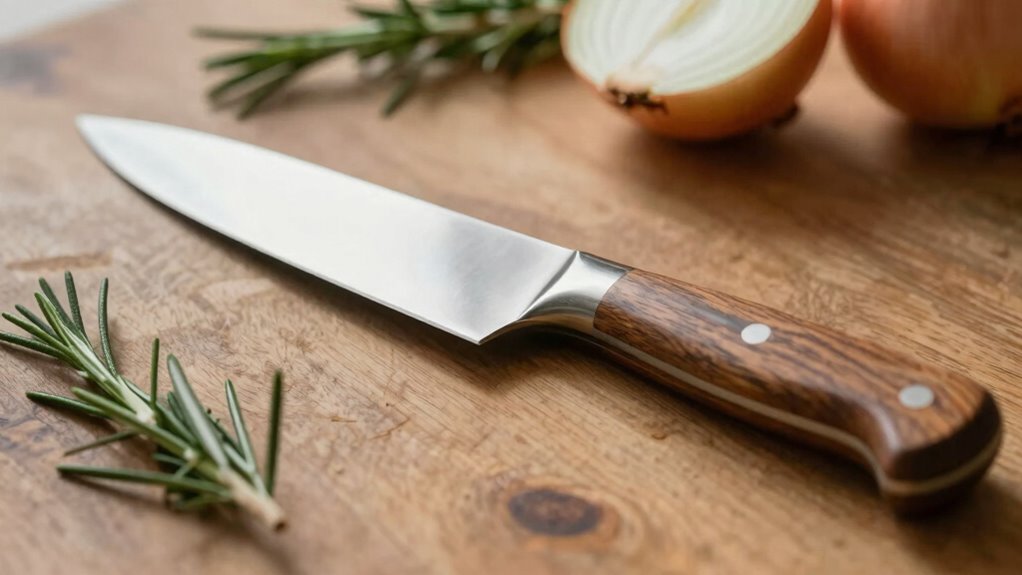

The wide range of chef knife prices can be confusing because higher costs don’t always mean better quality. You might see inexpensive knives that perform well, while expensive ones don’t necessarily last longer or cut better. Many factors influence price, like craftsmanship, materials, and brand reputation. Understanding these helps you make smarter choices and find a knife that offers real value. Keep exploring to discover how to navigate these price differences effectively.

Get travel and outdoor gear delivered free with Prime
- Fast, free delivery on millions of items
- Prime Video, Amazon Music and more included
- Member-only deals all year
Key Takeaways
- Higher price doesn’t always mean better quality; understand craftsmanship and materials for true value.
- Reputable brands often justify premium prices through strict quality control and reliability.
- Cheap knives may lack durability, leading to higher long-term costs and replacements.
- Focus on performance, sharpness, and longevity rather than surface appearance or cost alone.
- Investing in a well-made knife offers better long-term value and consistent cutting performance.
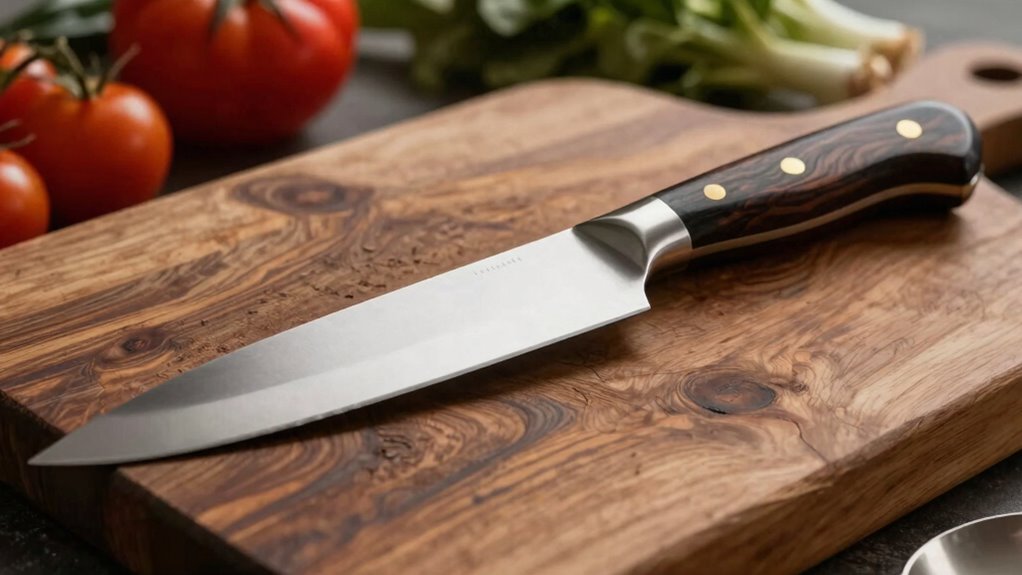
Choosing the right chef knife can be confusing because prices vary widely, making it hard to know if you’re getting good value. When you start shopping, you’ll notice that some knives cost a small fraction of what others do. It’s tempting to think that a higher price automatically means better quality, but that’s not always the case. To understand why prices differ so much, you need to look beyond the surface and consider factors like knife craftsmanship and brand reputation. These elements greatly influence what you’re paying for, and understanding them helps you make smarter choices.
Knife craftsmanship plays a crucial role in determining a knife’s quality and price. A well-crafted knife features a carefully forged blade, balanced weight, and a comfortable handle. Skilled artisans spend time perfecting each step, from selecting high-grade steel to honing the edge. This attention to detail results in a sharper, more durable, and easier-to-use knife. Cheaper knives often skip these meticulous processes, relying instead on mass production and lower-quality materials, which can compromise performance. When you invest in a knife with superior craftsmanship, you’re paying for a tool designed to last longer and perform better, even if the initial cost is higher. Additionally, understanding biodiversity can remind us of the importance of diverse and sustainable practices, even in the way we choose our tools.
Superior craftsmanship ensures sharper, durable, and easier-to-use knives that last longer and perform better.
Brand reputation is another key factor that influences price. Established brands with a history of producing high-quality, reliable knives tend to charge more because they’ve built trust with chefs and home cooks alike. These brands often have rigorous quality control standards, ensuring each knife delivers consistent performance. Conversely, lesser-known brands or generic options might offer lower prices but can fall short in quality and durability. When you choose a reputable brand, you’re paying for confidence—you know the knife has been crafted with care and meets certain standards. This reputation often justifies the premium price, especially if you’re looking for a dependable, long-lasting kitchen tool.
Ultimately, the price of a chef knife reflects more than just its appearance; it’s an investment in craftsmanship, materials, and brand integrity. While it’s tempting to go for the cheapest option, you may end up sacrificing performance and longevity. Conversely, spending more on a reputable brand with excellent craftsmanship can save you money in the long run, as you won’t need to replace it as often. Knowing what to look for helps you cut through the confusion and find a knife that offers real value for your money. Remember, a good chef knife isn’t just about price—it’s about quality, reliability, and the craftsmanship that makes it a joy to use every day.
As an affiliate, we earn on qualifying purchases.
Frequently Asked Questions
What Is the Best Chef Knife for Beginners?
You should choose a beginner-friendly chef knife with a comfortable knife handle material like pakkawood or synthetic composites, which offer good grip and durability. Look for a versatile, well-balanced blade made from stainless steel, making knife maintenance easier. Avoid overly expensive options initially. A good, affordable chef knife with easy-to-maintain features helps you learn proper technique and develop confidence in the kitchen.
How Often Should I Replace My Chef Knife?
Think of your chef knife as a trusted partner in your kitchen journey. You should replace it when it no longer performs with precision—usually every 5-10 years, depending on usage. Proper knife maintenance and mastering cutting techniques can extend its life. Regular honing keeps the edge sharp, but when the blade becomes dull despite care, it’s time for a replacement to guarantee safety and efficiency in your cooking.
Are Expensive Chef Knives Worth the Investment?
Yes, expensive chef knives are worth the investment if you value quality, precision, and durability. With proper knife maintenance, like regular honing and sharpening, these knives can last decades. Additionally, reputable brands often guarantee better craftsmanship and materials, which enhances performance. While they might cost more upfront, their longevity and superior cutting ability make them a smart choice for serious home cooks or professionals.
How Does Steel Type Affect Knife Pricing?
Steel type markedly impacts knife pricing because material variations influence durability, sharpness, and ease of maintenance. High-quality steels like VG10 or Damascus tend to cost more due to their superior performance and craftsmanship. When comparing costs, consider the material’s toughness and edge retention. A cost comparison shows that investing in better steel often means a longer-lasting, sharper knife, which can save you money over time despite the higher upfront price.
Can a Cheaper Knife Perform as Well as a Premium One?
Did you know that around 70% of home cooks believe a cheaper knife can perform as well as a premium one? The truth is, it depends on knife craftsmanship and brand reputation. A budget-friendly knife with solid craftsmanship can handle daily tasks effectively, but premium brands often offer better balance, edge retention, and durability. So, while a cheaper knife can work, selecting wisely guarantees better performance and longevity.
Conclusion
So, next time you’re faced with the chef knife price question, remember it’s like choosing a good pair of shoes—you don’t need the priciest pair to get comfort and quality. Focus on what feels right in your hand, suits your cooking style, and fits your budget. Trust your instincts, and don’t let the price tag scare you away. After all, the best knife is the one that makes you excited to cook, just like the perfect pair of shoes makes you want to walk everywhere.
Halloween Picks
halloween
As an affiliate, we earn on qualifying purchases.