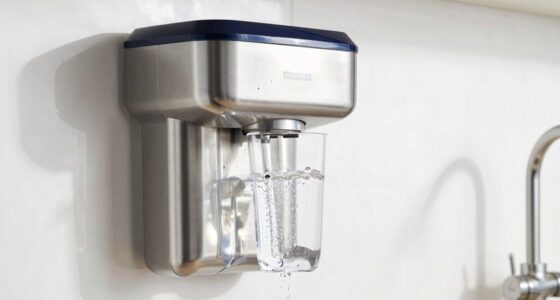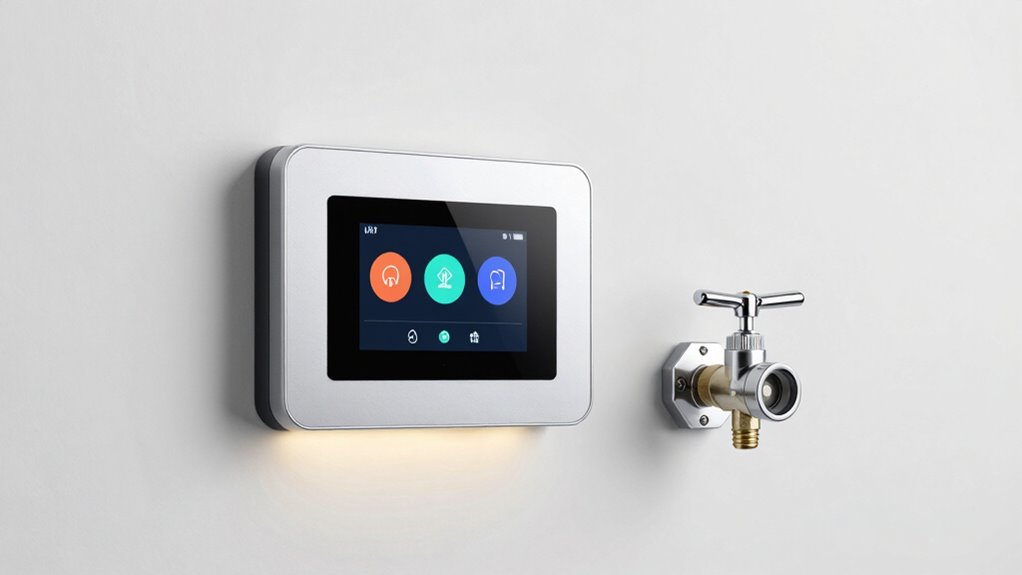

Before extended travel, having a whole-home water shutoff plan is essential to prevent costly water damage and plumbing issues. Knowing how to quickly turn off the main valve, using leak detection systems, and insulating pipes help safeguard your home while you’re away. These steps guarantee you catch leaks early and act fast during emergencies, giving you peace of mind. Keep going to learn more ways to protect your home effectively during your travels.

Get travel and outdoor gear delivered free with Prime
- Fast, free delivery on millions of items
- Prime Video, Amazon Music and more included
- Member-only deals all year
Key Takeaways
- Prevents costly water damage caused by unnoticed leaks or pipe bursts during extended absences.
- Enables quick shutdown of water supply in emergencies, minimizing potential flooding.
- Integrating leak detection and pipe insulation enhances overall home safety while away.
- Knowing and practicing the main water shutoff valve ensures rapid response during emergencies.
- A comprehensive water shutoff plan provides peace of mind and safeguards property during long trips.
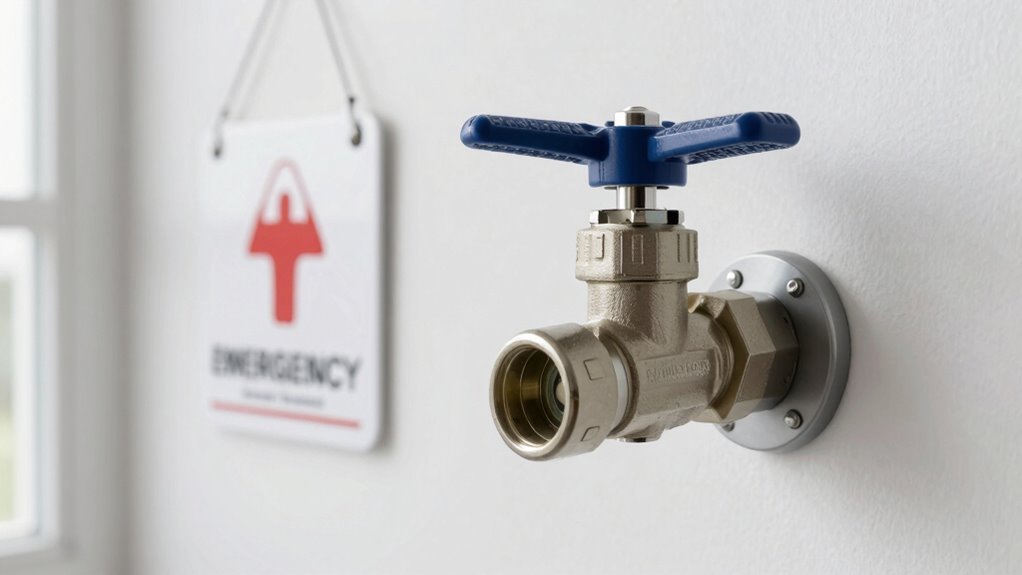
Have you ever considered what would happen if your home’s water supply suddenly shut off? It’s not a pleasant thought, but it’s one worth contemplating, especially before you leave town for an extended period. A well-crafted whole-home water shutoff plan can save you from costly water damage, major inconveniences, and the stress of handling emergencies while you’re away. When you’re gone, a water leak or pipe burst can go unnoticed for hours or even days, leading to severe damage that’s costly and time-consuming to repair. That’s why understanding how to shut off your water supply quickly and efficiently is essential.
One critical aspect of preparing your home for extended travel involves inspecting and upgrading your pipe insulation. Proper insulation protects your pipes from freezing in colder months, which can cause pipes to burst and flood your home. Insulation also helps maintain consistent water temperatures, reducing the risk of leaks and pipe failures. When you’re away, you won’t be able to respond to these issues immediately, so ensuring your pipes are well insulated minimizes the chances of a leak or burst happening in the first place. It’s a simple step with significant benefits, providing peace of mind that your plumbing is less vulnerable during your absence. Additionally, pipe insulation can improve energy efficiency by reducing heat loss, which is an added advantage. Regular maintenance and inspections of your plumbing system are essential parts of a comprehensive home safety strategy, especially when planning extended absences.
Proper pipe insulation prevents freezing and leaks, giving you peace of mind during extended travel.
Equally important is implementing effective water leak detection systems. These devices can alert you instantly if a leak occurs, allowing you to act swiftly or notify someone to handle the situation. Modern leak detection technology often integrates with smart home systems, sending real-time alerts directly to your phone. This proactive approach can prevent minor leaks from turning into major disasters. When planning to be away for an extended period, installing water leak detection isn’t just a precaution; it’s a vital part of your overall water shutoff plan. It complements the ability to shut off your main water supply quickly if needed, giving you a comprehensive safety net.
Having a clear plan in place before you leave also means knowing exactly where your main water shutoff valve is and how to operate it. Practice turning it off so you’re comfortable doing it in an emergency. Combine this knowledge with the proper use of pipe insulation and water leak detection systems, and you create a formidable defense against water damage. This preparedness ensures that, no matter what happens during your travels, you’re equipped to handle any situation swiftly and effectively. Ultimately, a whole-home water shutoff plan isn’t just about protecting your property; it’s about giving yourself peace of mind, knowing that your home is safeguarded even when you’re not there. Proper planning and water system safety are essential components of a comprehensive home maintenance strategy.
As an affiliate, we earn on qualifying purchases.
Frequently Asked Questions
How Often Should I Review My Water Shutoff Plan?
You should review your water shutoff plan at least annually to guarantee your emergency preparedness remains current. Regular reviews help identify any maintenance scheduling needs or changes in your home’s plumbing. Additionally, if you experience significant plumbing updates or seasonal shifts, it’s wise to revisit the plan sooner. Staying proactive ensures you’re ready for emergencies, minimizes water damage, and keeps your whole-home shutoff system functioning smoothly during extended travel or unforeseen situations.
What Tools Are Needed to Shut off the Main Water Supply?
Think of your emergency preparedness as your plumbing’s shield—having the right tools makes shutting off the main water supply straightforward. You’ll need a wrench or pliers, a screwdriver, and possibly a key or valve handle. These tools help you quickly and safely turn off water in case of leaks or during plumbing maintenance. Regularly check your tools’ condition so you’re ready for any plumbing emergency while away.
Can I Set up an Automatic Water Shutoff System?
Yes, you can set up an automatic water shutoff system. Many smart home leak detection devices include automatic shutoff features that activate when a leak is detected. These systems monitor your water usage in real-time, alerting you and shutting off the water if necessary. Installing a smart leak detection system provides peace of mind during extended travel, helping prevent water damage and costly repairs while you’re away.
Who Should I Notify About My Water Shutoff Plans?
Did you know nearly 20% of water damage claims involve plumbing issues? When planning your water shutoff, notify emergency contacts, such as neighbors or nearby friends, so they can help if needed. Also, update your maintenance checklist to include informing your plumber or property manager. Clear communication guarantees everyone’s aware and prepared, reducing risks and making your extended travel safer and worry-free.
What Are Common Mistakes to Avoid When Creating a Shutoff Plan?
When creating a shutoff plan, avoid common mistakes like neglecting emergency preparedness and poor maintenance scheduling. Don’t forget to label shutoff valves clearly, so you can act quickly in emergencies. Also, make certain you’ve turned off all appliances connected to water lines to prevent damage. Regularly inspect the system to catch leaks early. A well-thought-out plan minimizes risks, helping you stay safe and prepared during extended travel or emergencies.
Conclusion
By having a whole-home water shutoff plan, you’re practically creating a fortress of protection for your home. Imagine coming back from your extended trip to find your house completely untouched, no floods, no water damage—just perfect peace of mind. It’s like having a superhero on standby, ready to save your house from the chaos of leaks and pipe bursts. Don’t leave your home’s safety to chance—shut that water off and sleep soundly, no matter how far you travel!
Evergreen bestsellers Picks
bestsellers
As an affiliate, we earn on qualifying purchases.