


The private island business model combines luxury, exclusivity, and sustainability to attract high-end travelers. Owners transform islands into premium destinations by offering personalized services and eco-friendly features like renewable energy and waste recycling. This approach not only boosts status but also builds trust and loyalty among guests. By balancing opulence with responsibility, these islands stand out in a competitive market, ensuring long-term success. If you’re curious to know more about how this strategy works, keep exploring.

Get travel and outdoor gear delivered free with Prime
- Fast, free delivery on millions of items
- Prime Video, Amazon Music and more included
- Member-only deals all year
Key Takeaways
- Private islands are marketed as exclusive luxury destinations emphasizing privacy, personalized services, and opulent amenities to attract high-end clientele.
- Sustainability is integrated into the business model through eco-friendly practices, enhancing brand reputation and appealing to eco-conscious travelers.
- Eco-initiatives justify premium pricing, foster customer loyalty, and contribute to long-term cost savings and operational resilience.
- Combining responsible practices with luxury branding creates a unique, differentiated experience that appeals to discerning travelers seeking authenticity.
- Strategic balance of exclusivity, environmental responsibility, and high-end service sustains profitability and maintains the island’s elite market position.
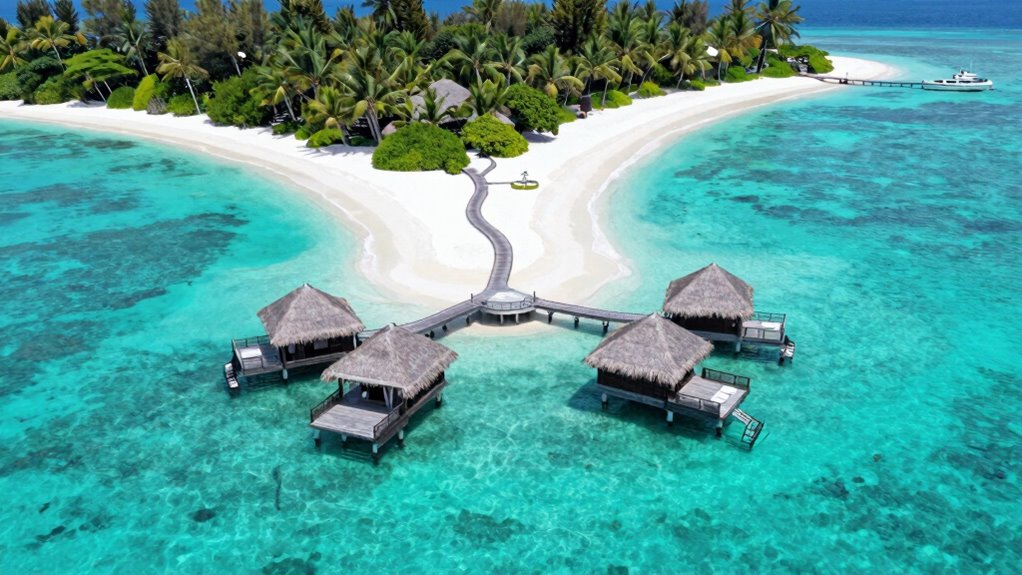
Have you ever wondered how private islands transform into lucrative business ventures? It all starts with a vision to blend exclusivity with strategic branding, creating a unique experience that appeals to high-end travelers. Luxury branding plays a pivotal role here, as owners position their islands as premium destinations that promise privacy, personalized service, and unparalleled comfort. Every detail, from the architecture to the amenities, is carefully curated to evoke a sense of opulence. This isn’t just about offering a getaway; it’s about cultivating a brand that symbolizes status and exclusivity. When done right, this branding attracts a specific clientele willing to pay premium prices, ensuring a steady stream of revenue. Successful private islands also recognize that environmental sustainability isn’t an afterthought—it’s a core part of the brand. Incorporating eco-friendly practices such as renewable energy solutions, waste recycling, organic farming, and water conservation systems has become essential for modern luxury destinations. Many island owners invest in renewable energy sources, like solar or wind power, to reduce their carbon footprint. They also implement eco-friendly practices such as waste recycling, organic farming, and water conservation systems. These efforts not only help preserve the island’s natural beauty but also enhance the island’s appeal as a responsible luxury destination. Guests today want to indulge without feeling guilty, and demonstrating a commitment to environmental sustainability can set a private island apart from competitors. Additionally, transparency about these efforts can strengthen the brand reputation, fostering trust and loyalty among guests. This focus on eco-conscious practices can also create a compelling story that appeals to a broader audience seeking authentic and responsible luxury experiences.
The intersection of luxury branding and environmental sustainability isn’t just good ethics; it’s a savvy business strategy. High-net-worth individuals seek authenticity and responsibility alongside their luxury experiences. By integrating eco-conscious practices into the island’s identity, owners can command higher prices and foster loyalty among discerning travelers. Additionally, sustainable practices often lead to cost savings in the long run, making the business more resilient. These islands often promote their eco-initiatives as part of their marketing, reinforcing their image as responsible, forward-thinking destinations. Understanding the importance of brand positioning helps owners create a compelling narrative that resonates with their target audience and distinguishes their island in a crowded market.
In essence, the private island business model hinges on creating a luxurious yet sustainable experience that appeals to an elite clientele. You, as a traveler, may not see all the behind-the-scenes work involved, but understanding this balance reveals how these pristine escapes sustain their exclusivity and profitability. It’s a delicate dance—blending luxury branding with genuine environmental efforts—that transforms a simple piece of land into a thriving, high-end business.
luxury private island eco-friendly amenities
As an affiliate, we earn on qualifying purchases.
As an affiliate, we earn on qualifying purchases.
Frequently Asked Questions
How Do Private Islands Impact Local Ecosystems and Communities?
Private islands can markedly impact local ecosystems and communities by promoting eco-tourism, which encourages sustainable practices and environmental awareness. However, if unmanaged, they may harm delicate habitats or disrupt local cultures. As a traveler, your visits can support cultural preservation and eco-friendly initiatives, but it’s essential to choose responsible operators. This way, you help protect ecosystems and respect communities while enjoying exclusive island experiences.
What Are the Hidden Costs of Owning or Renting a Private Island?
Owning or renting a private island can seem like a dream, but beware of hidden costs. Beyond the hefty price tag, you’ll face expenses for maintaining luxury amenities, security, and staff. Privacy concerns might also require increased security measures to keep unwanted visitors out. It’s a double-edged sword—you get exclusivity, but at the cost of ongoing upkeep and potential isolation. You need to weigh these hidden costs carefully before diving in.
How Sustainable Are Private Island Resorts Long-Term?
Private island resorts can be quite sustainable long-term if they prioritize eco-friendly practices and responsible island branding. Many resorts invest in renewable energy, waste reduction, and conservation efforts, helping preserve the environment while offering luxury amenities. However, their sustainability depends on ongoing commitment and balancing luxury with ecological impact. As a traveler, choosing resorts with clear sustainability initiatives guarantees your experience supports long-term health of the island and its natural beauty.
What Legal Considerations Exist for International Private Island Ownership?
Ever find it funny how owning a private island suddenly makes you an international citizen? When considering ownership, you must navigate zoning regulations that vary globally, affecting land use. Plus, understanding ownership rights is vital, as they differ between countries, impacting your legal protection. You might also need permits or face restrictions, so consulting legal experts in the jurisdiction guarantees your investment stays secure and compliant with international laws.
How Do Private Islands Maintain Exclusivity and Prevent Over-Tourism?
You maintain exclusivity and prevent over-tourism by offering luxury amenities that appeal to select guests, ensuring a high-end experience. Strong island branding helps position your private island as a unique, desirable destination, attracting the right clientele. You can implement reservation systems, limit the number of visitors, and enforce strict access controls, all of which preserve the island’s exclusivity while providing memorable, luxurious stays that discourage mass tourism.
Conclusion
Understanding the private island business model reveals the unique blend of exclusivity and luxury that appeals to discerning travelers. By investing in private islands, owners create a personalized haven that maximizes both revenue and reputation. Isn’t it intriguing how this niche industry transforms the idea of escape into a lucrative venture? As you explore more, you’ll see that grasping this model might just inspire your next ambitious getaway or investment opportunity. After all, isn’t the ultimate luxury having a world all your own?
Halloween Picks
halloween
As an affiliate, we earn on qualifying purchases.