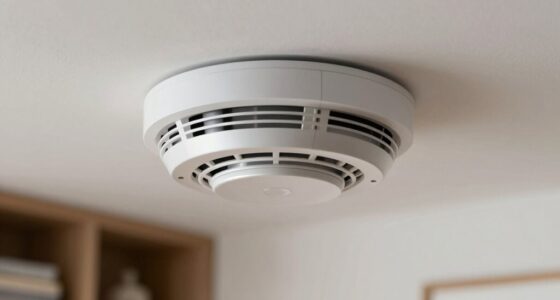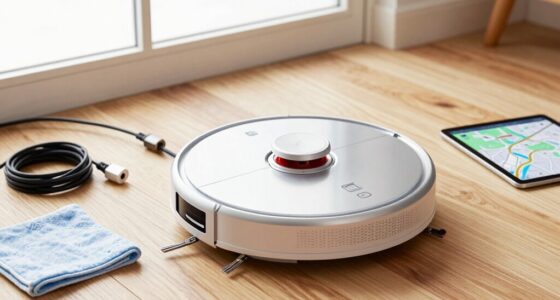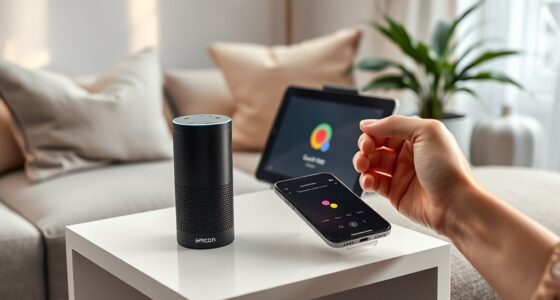


Smart cleaning devices like robot vacuums and connected appliances keep your home tidy by automating tasks such as sweeping, mopping, and monitoring dirt levels. They use sensors and mapping technology to target high-traffic or dirty areas, while schedule features let you set cleaning times. Regular maintenance and seamless integration with Wi-Fi and smart home systems make certain these devices work reliably and efficiently. Keep exploring to discover how to optimize their performance even further.
Key Takeaways
- Robot vacuums maintain efficiency through regular cleaning, emptying dustbins, and cleaning brushes to prevent clogs.
- They connect to Wi-Fi and integrate with smartphones or voice assistants for remote control and scheduling.
- Firmware updates and mapping technology enhance cleaning routes, obstacle avoidance, and overall device performance.
- Automated scheduling and home sensors enable targeted cleaning during specific times or in high-traffic areas.
- Proper maintenance and smart integration create a reliable, efficient, and effortless home cleaning ecosystem.
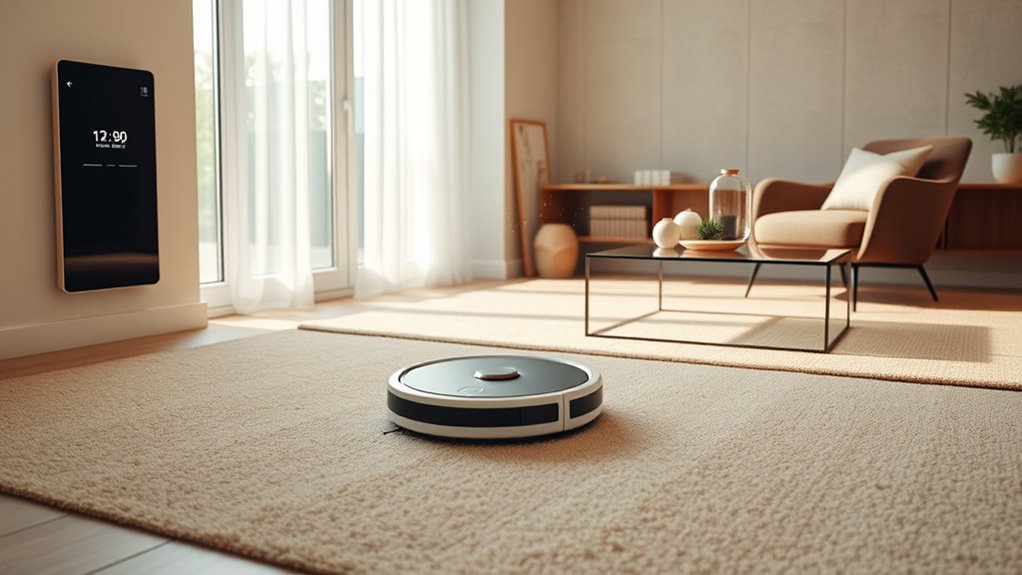
Have you ever wondered how technology is transforming everyday chores? One of the most noticeable changes is how robot vacuums and other smart cleaning devices are making tidying up simpler and more efficient. These gadgets are designed to work seamlessly in your home, but to keep them functioning at their best, you need to pay attention to robot vacuum maintenance. Regularly emptying the dustbin, cleaning the brushes, and checking sensors ensure your robot vacuum runs smoothly and doesn’t miss spots or get stuck. Staying on top of maintenance also extends the device’s lifespan, saving you money in the long run.
Smart device integration is another key feature that enhances your cleaning experience. When your robot vacuum connects to your home Wi-Fi and syncs with your smartphone or voice assistants, it becomes more than just a cleaning tool — it turns into a smart part of your home ecosystem. You can schedule cleanings remotely, start or stop the device with voice commands, and get real-time updates on its progress. This level of integration means you don’t have to be physically present to keep your home tidy; your device works quietly in the background, adapting to your daily routine.
To maximize the benefits of smart device integration, you should verify your Wi-Fi connection is strong and your app settings are properly configured. Firmware updates are vital, as they often include improvements, bug fixes, and new features that enhance your device’s performance. Many modern robot vacuums also feature mapping technology, which allows them to learn the layout of your home and clean more efficiently. By regularly reviewing and updating these maps, you help your device optimize its cleaning routes and avoid obstacles. Additionally, regular maintenance routines can prevent common issues and keep your device operating at peak efficiency.
Additionally, integrating your smart device with other home automation systems can streamline your chores further. For example, setting your robot vacuum to start cleaning when you leave the house or scheduling it to run during off-peak hours helps maintain a tidy home without disrupting your day. Some devices even link with smart home sensors to detect dirtier areas or high-traffic zones, adjusting their cleaning patterns accordingly.
In essence, maintaining your robot vacuum and verifying smart device integration are essential steps to make your home cleaning smarter and more effortless. With consistent upkeep and proper connectivity, your device becomes an intuitive part of your household, freeing up your time and energy. As technology advances, these smart cleaning solutions will only become more sophisticated, giving you cleaner spaces with less effort on your part.
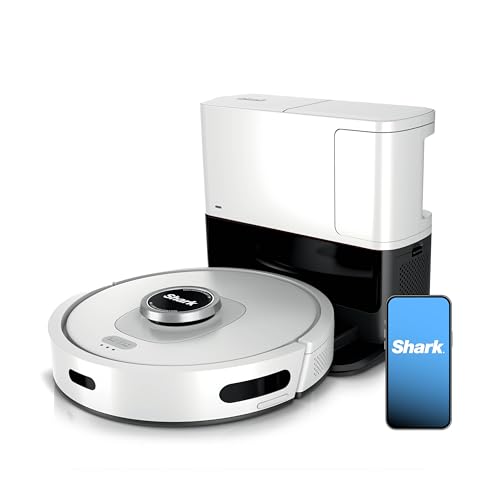
Shark AI Ultra Voice Control Robot Vacuum with Matrix Clean Navigation, Home Mapping, 60-Day Capacity, XL Self-Empty Base for Homes with Pets, Carpet & Hard Floors, Cool Grey, AV2511AE
Incredible Suction Power: Shark’s powerful suction captures dirt, debris, and pet hair across all surfaces—carpets and hard floors…
As an affiliate, we earn on qualifying purchases.
As an affiliate, we earn on qualifying purchases.
Frequently Asked Questions
How Do Robot Vacuums Navigate Around Furniture Effectively?
You might wonder how robot vacuums navigate around furniture effectively. They use advanced mapping algorithms to create a virtual map of your home, helping them plan efficient cleaning routes. Obstacle detection sensors alert the vacuum to furniture and objects, preventing collisions and guiding it around obstacles smoothly. This combination of mapping algorithms and obstacle detection guarantees your robot vacuum cleans thoroughly without bumping into or missing any spots.
Can Smart Cleaning Devices Be Used on Delicate Surfaces Safely?
Did you know over 80% of smart cleaning devices now feature delicate surface safety? You can confidently use them on fragile materials because many models include gentle cleaning modes and customizable settings. These devices are designed for delicate surface safety, ensuring you won’t damage your furniture or sensitive surfaces. Just check your device’s settings and use appropriate brushes or pads for fragile material cleaning, and you’re good to go.
How Do These Devices Handle Pet Hair and Allergies?
You’ll find that smart cleaning devices excel at pet hair removal, easily picking up fur from carpets and furniture. They use specialized brushes and strong suction to tackle stubborn pet hair. Many models also feature allergy protection, filtering out allergens like dander and dust mites to improve air quality. This helps keep your home cleaner and healthier, especially for allergy sufferers. With regular use, these devices efficiently manage pet hair and reduce allergy triggers.
What Maintenance Do Robot Vacuums Require Regularly?
Keeping your robot vacuum in top shape is essential; a stitch in time saves nine. You should regularly clean brushes, empty the bin, and check sensors for dust. Battery replacement might be needed over time, and sensor calibration ensures ideal navigation. These simple maintenance steps prevent breakdowns, extend your device’s lifespan, and make cleaning more efficient, so your home stays spotless without extra hassle.
Are There Privacy Concerns With Smart Cleaning Devices Collecting Data?
You might wonder if smart cleaning devices raise privacy concerns due to data collection. While these devices often gather information to improve performance, they can also collect sensitive data from your home. It’s important to review privacy settings and understand what data is being collected. By doing so, you can enjoy the convenience of smart cleaning while minimizing privacy concerns and ensuring your personal information stays secure.

Shark AV753 ION Robot Vacuum, Tri-Brush System, Wifi Connected, 120 Min Runtime, Works with Alexa, Multi Surface Cleaning, Grey
Made in China
As an affiliate, we earn on qualifying purchases.
As an affiliate, we earn on qualifying purchases.
Conclusion
Imagine a world where your home stays spotless without lifting a finger. While some skeptics say robot vacuums can’t replace traditional cleaning, evidence shows they effectively reduce dirt and allergens. By embracing smart cleaning devices, you’re not just saving time—you’re also investing in a healthier environment. So, give these gadgets a chance; they might just prove that convenience and cleanliness go hand in hand, transforming your home into a tidy haven effortlessly.

ROPVACNIC Robot Vacuum Cleaner Robot Vacuum and Mop Combo with 5200Pa Suction, Personalized Cleaning Adjustments, Self-Charging Robotic Vacuum Cleaner, Advanced Obstacle Avoidance
【2-in-1 Mopping and Vacuuming】 The ROPVACNIC Robot S1 integrates advanced electronically controlled mopping technology, significantly enhancing both cleaning…
As an affiliate, we earn on qualifying purchases.
As an affiliate, we earn on qualifying purchases.

roborock Qrevo Series Robot Vacuum and Mop, 8000Pa Suction, Upgraded from Qrevo S, Anti-Tangle Brushes, Smart Obstacle Avoidance, Auto Mop Washing, All-in-One Dock, 200RPM Spinning Mops, Black(QV 35A)
8000Pa HyperForce Suction: Engineered to deliver unmatched cleaning performance, the roborock QV 35A robot vacuum with 8000Pa powerful…
As an affiliate, we earn on qualifying purchases.
As an affiliate, we earn on qualifying purchases.