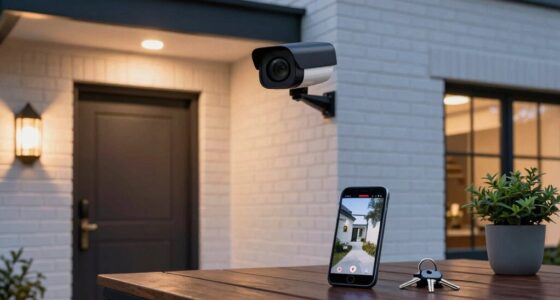
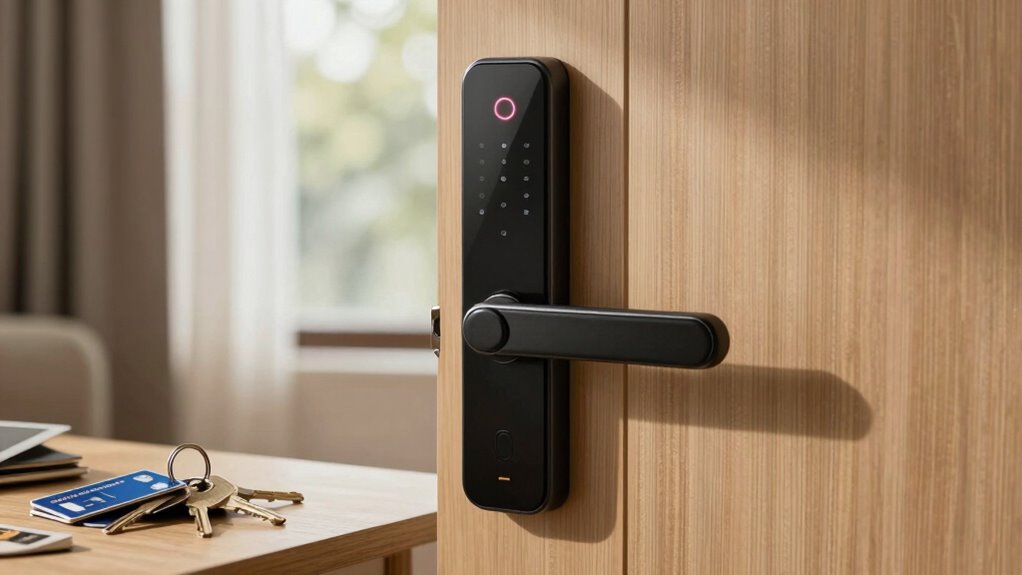

One major setup mistake that increases travel anxiety is not verifying your smart lock’s compatibility and ensuring all software and firmware are up-to-date before you leave. If your lock isn’t compatible with your system or misses recent updates, you could face connectivity issues or security vulnerabilities when you need access most. Taking the time to double-check these details now can prevent frustrating surprises later. Keep going, and you’ll discover how to set up your smart lock worry-free.

Get travel and outdoor gear delivered free with Prime
- Fast, free delivery on millions of items
- Prime Video, Amazon Music and more included
- Member-only deals all year
Key Takeaways
- Skipping compatibility checks can cause connectivity issues, making remote access unreliable during travel.
- Failing to update firmware before installation may lead to device malfunctions and increased anxiety.
- Neglecting network stability verification can result in lock failures when remote control is needed.
- Inadequate post-installation testing can hide malfunctions, causing travel-related security concerns.
- Ignoring security protocols and device requirements increases the risk of cyber threats while away.
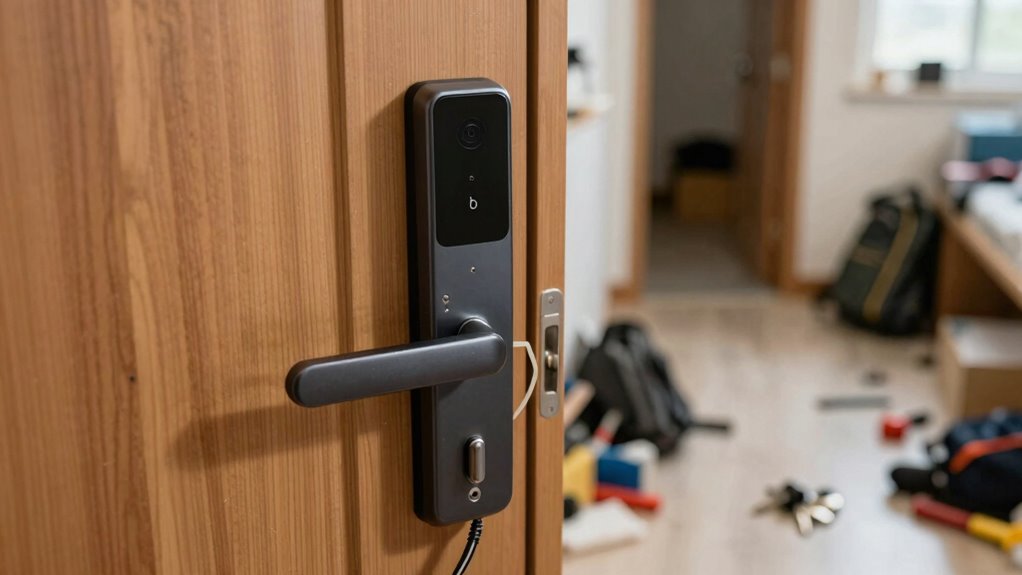
Have you ever set up a smart lock only to find it doesn’t work as expected? It’s frustrating, especially when you’re gearing up for travel and want peace of mind. One common mistake people make is rushing through the installation without fully understanding how the smart lock integrates into their existing security system. The success of your setup depends heavily on guaranteeing that the lock is compatible with your home’s tech ecosystem. If you skip this step, you might find yourself struggling with connectivity issues or, worse, a lock that simply won’t function when you need it most.
Rushing installation without checking compatibility can leave your smart lock useless when you need it most.
When you’re preparing for a trip, ease of access is key. You want to be able to control your lock remotely or grant access to trusted visitors without hassle. But if you’ve overlooked the importance of checking tech compatibility, your smart lock might not communicate properly with your smartphone, voice assistant, or security system. Many smart locks rely on specific operating systems or require particular apps to function. If your device isn’t compatible, you could end up with a lock that’s more of a headache than a help. This can create unnecessary anxiety, especially when you’re trying to pack and get ready to leave. Running compatibility checks before installation can help you identify potential issues early on.
Another mistake is neglecting to update your security system or firmware before installing the lock. Outdated software can cause compatibility issues, leaving you with a device that’s vulnerable or simply non-responsive. When you’re away, you want to trust that everything is running smoothly. Running compatibility checks before installation assures your smart lock will work seamlessly with your existing security measures. This saves you from troubleshooting remotely or dealing with customer support while you’re on the go. Ensuring your device is software updated is a crucial step in maintaining security and functionality. Additionally, verifying your home network stability can prevent connectivity interruptions that could hinder your lock’s performance. Regularly reviewing security protocols related to your smart devices can further help protect your home from potential cyber threats. It’s also wise to consider the manufacturer’s guidelines to ensure proper installation and ongoing support.
Additionally, many people forget to test their smart lock thoroughly after installation. It’s tempting to assume that pairing it once is enough, but you should verify that all features—remote unlocking, auto-locking, and alerts—are functioning perfectly. If you skip this, you risk discovering errors only after you’ve left home, which can add unnecessary stress during your travels. Proper testing ensures that your device operates correctly under various scenarios and helps you catch any issues beforehand.
In short, avoiding the smart lock setup mistake of ignoring tech compatibility and proper integration into your security system prevents last-minute surprises. Take the time to research your device’s requirements, update your software, and test the system fully before you travel. Doing so gives you confidence, reduces anxiety, and guarantees your home remains secure, no matter where your journey takes you.
Products Worth Considering

Samsonite Freeform Hardside Carry-On Luggage with Spinner Wheels, TSA Lock, and Expandable Shell – Navy

DJI Osmo Mobile 8 3-Axis Gimbal Stabilizer for Phones

Amazon Kindle Paperwhite (2024), 16GB, 7-inch Display, Black
As an affiliate, we earn on qualifying purchases.
Frequently Asked Questions
How Do I Reset My Smart Lock if It Malfunctions?
If your smart lock malfunctions, start with smart lock troubleshooting by performing a security reset procedure. Typically, you’ll need to press and hold the reset button or follow specific instructions from your lock’s manual, which might involve removing the battery or pressing a reset pin. This process restores factory settings, helping you troubleshoot issues and regain control. Always consult your device’s guide for exact steps to guarantee a smooth reset.
Can I Program Multiple Users Into the Smart Lock?
Did you know over 60% of smart lock users program multiple users? Yes, you can easily set up User access for family members or friends, and even create Guest codes for temporary visitors. Most smart locks allow you to manage multiple users through their app, assigning different access levels. This makes it simple to control who enters your home, ensuring security and convenience without the hassle of physical keys.
What Should I Do if I Forget My Lock’s Passcode?
If you forget your lock’s passcode, don’t panic. You should follow the lock’s passcode recovery or reset procedures, usually found in the user manual or app. Most smart locks allow you to reset the code via the app or by physically resetting the device. Make certain you’ve backed up any necessary data beforehand. Once reset, you can set a new passcode and regain access quickly.
Is It Safe to Use a Smart Lock With Wi-Fi?
Yes, it’s generally safe to use a smart lock with Wi-Fi if you prioritize Wi-Fi security. Look for locks with strong encryption and regular firmware updates. Be cautious with remote access; only grant permissions to trusted users and disable it when not needed. Regularly changing passwords and enabling two-factor authentication further protects your lock from potential hacking attempts, giving you peace of mind while traveling.
How Often Should I Update the Lock’s Firmware?
Think of firmware updates like regular health check-ups for your smart lock—essential for keeping it strong and secure. You should update your lock’s firmware whenever the manufacturer releases new versions, often every few months. These updates improve security protocols, patch vulnerabilities, and guarantee your lock functions smoothly. Ignoring them is like leaving your front door unlocked; it invites risks. Stay vigilant and update regularly to keep your home safe.
Conclusion
Avoid the common mistake of rushing through your smart lock setup, or you might find yourself locked out of peace of mind just when you need it most. Think of your smart lock as a trusted gatekeeper—if it’s not configured correctly, it becomes a barrier, not a bridge. Take your time, double-check your settings, and make certain everything’s in place before you hit “finish.” Because in the journey of travel, a secure lock is your greatest passport to peace.