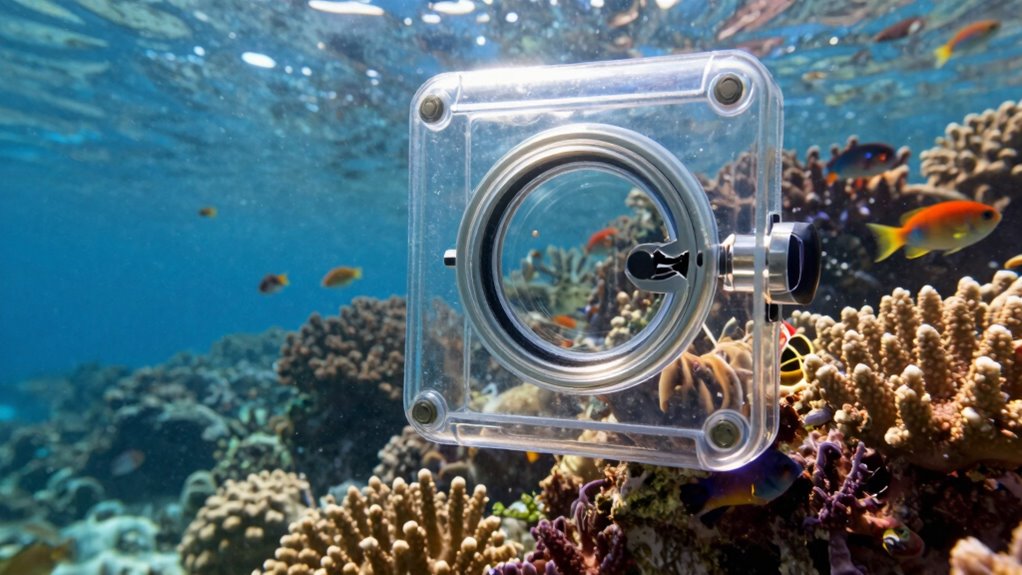

The biggest mistake that ruins more underwater photography trips than water itself is neglecting proper waterproof seal inspections. You might think your gear is ready, but tiny cracks, dirt, or debris in the seals can cause leaks underwater. Rushing through setup or skipping seal checks increases the risk of flooding and gear damage. Taking the time to carefully inspect, clean, and replace seals guarantees your gear stays dry, letting you focus on capturing beautiful moments instead of worrying about leaks.

Get travel and outdoor gear delivered free with Prime
- Fast, free delivery on millions of items
- Prime Video, Amazon Music and more included
- Member-only deals all year
Key Takeaways
- Failing to thoroughly inspect and clean seals before each dive increases leak risk, ruining trips more than water damage.
- Rushing setup processes can lead to overlooked seal issues, causing gear failure underwater.
- Using damaged or worn seals compromises waterproof integrity, leading to costly gear loss.
- Neglecting routine maintenance and proper seal alignment can result in leaks during dives.
- Ignoring small cracks or debris on seals often causes significant water intrusion and trip disruptions.
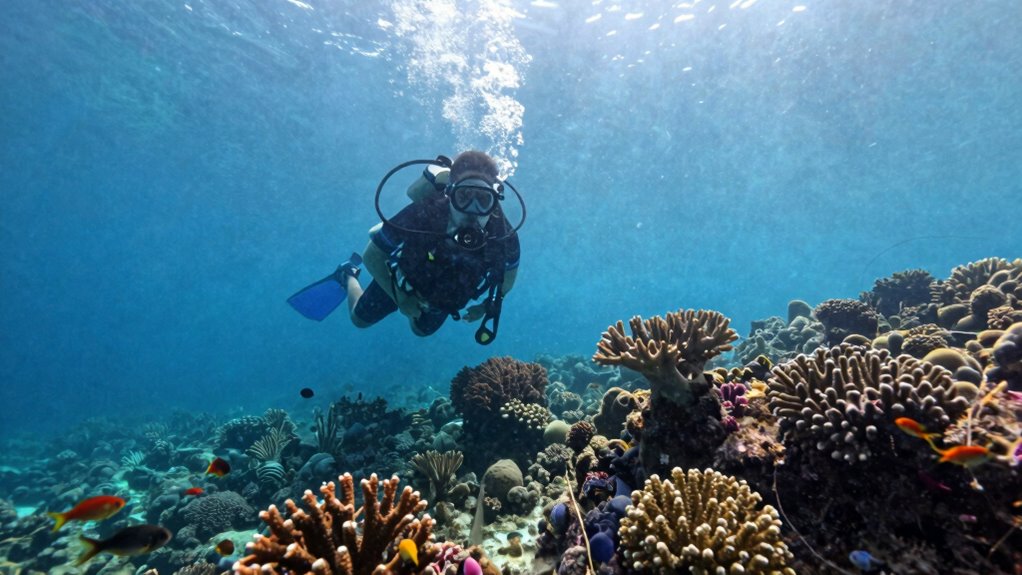
Have you ever overlooked a vital detail when setting up your underwater housing, only to regret it once you’re submerged? It’s a mistake many divers make—assuming that once the housing is sealed, everything’s good to go. But neglecting proper preparation can turn a promising dive into a frustrating ordeal. One of the most common errors is overlooking camera maintenance and the importance of waterproof seals. Even the tiniest flaw in the seal or dirt on the lens can lead to disastrous water damage, ruining your entire trip’s memories.
Before you head out, you need to pay close attention to your camera maintenance. Make sure your gear is clean and functioning perfectly. Dirt, sand, or debris on your camera or within the housing can compromise the waterproof seals, increasing the risk of leaks. Always inspect your equipment thoroughly—check for scratches or cracks that could affect waterproof integrity. Regular maintenance isn’t just about cleaning; it’s about guaranteeing that all components, especially the seals, are in ideal condition. Neglecting this step is a rookie mistake that can cost you your gear and your photos. Proper equipment maintenance is essential for safeguarding your gear and ensuring optimal performance underwater. Additionally, understanding how waterproof seals work and ensuring they are properly aligned can greatly reduce the risk of leaks. Familiarizing yourself with seal inspection techniques can help you identify potential issues before they cause damage. Paying attention to seal material quality can also make a significant difference in durability and leak prevention. Being familiar with seal material properties can help you choose the right replacements when needed.
Thoroughly inspect and clean your gear to prevent leaks and protect your underwater memories.
When it comes to waterproof seals, don’t just assume they’ll hold up on their own. Carefully inspect each seal before every submersion. Look for signs of wear, cracks, or debris lodged in the gasket. Many divers overlook this step, thinking that a quick glance is enough, but a tiny hairline crack or piece of dirt can cause leaks once submerged. Make it a habit to gently clean the seals with a lint-free cloth and verify they’re properly seated in their grooves. If you notice any damage, replace the seals immediately. Many issues arise because divers forget or neglect to double-check these critical components.
Another common mistake is rushing the setup process. Taking your time to verify the integrity of your waterproof seals and guarantee your camera is properly maintained can save you from a flooded housing. A few extra minutes spent inspecting and cleaning can prevent hours of disappointment and the cost of repairs or replacements. Remember, no matter how experienced you are, overlooked maintenance or faulty seals can ruin more trips than water ever will. Protect your gear by making thorough inspections a routine part of your preparation. Doing so ensures that your underwater adventures remain memorable for the right reasons, not because of avoidable equipment failures.
underwater camera housing waterproof seal inspection kit
As an affiliate, we earn on qualifying purchases.
As an affiliate, we earn on qualifying purchases.
Frequently Asked Questions
How Do I Choose the Right Underwater Housing for My Camera?
To choose the right underwater housing, you need to prioritize camera compatibility, ensuring it fits your specific model perfectly. Look for housings made from durable materials like polycarbonate or aluminum to withstand harsh conditions. Consider the depth rating, ease of access to controls, and additional features like ports for lenses. Testing the housing before your trip helps you avoid leaks and damage, so your gear stays safe underwater.
What Are Signs My Underwater Housing Is Leaking?
You spot water or fog inside your housing? That’s a clear sign of a leak. Do leak detection every time you dive and pressure testing before each trip to catch issues early. Look for condensation on ports or a sudden change in image quality. These signs mean your housing isn’t sealed properly, risking damage to your gear. Act quickly—address leaks immediately to protect your equipment and preserve your underwater adventures.
How Often Should I Test My Underwater Housing Before a Trip?
You should test your underwater housing at least once a week leading up to your trip, especially if you’ve packed camera accessories or other gear. Before traveling, do a thorough leak test with your camera inside, checking for any signs of water intrusion. Remember, having travel insurance that covers equipment damage offers extra peace of mind. Regular tests help prevent water damage and make certain your gear stays safe during your underwater adventures.
Can I Repair a Small Crack in My Underwater Housing?
Yes, you can repair a small crack in your underwater housing, but don’t expect it to hold forever. You need to carefully assess the crack’s impact on seal integrity and material durability. Use waterproof epoxy or specialized sealant designed for your housing’s material. Remember, even tiny repairs might compromise waterproofing over time, risking your gear’s safety. Always test thoroughly before diving to avoid costly water damage.
What’s the Best Way to Clean and Maintain Underwater Housing?
To clean and maintain your underwater housing, use gentle cleaning techniques like soft brushes and fresh water after each dive. Avoid harsh chemicals that can damage material durability. Regularly inspect seals and latches for wear, and keep hinges lubricated with suitable lubricants. Store your housing in a cool, dry place, and follow manufacturer guidelines for maintenance. Proper care guarantees your gear stays waterproof and functional, extending its lifespan and protecting your underwater adventures.
Conclusion
If you ignore the importance of proper underwater housing, you’re playing with fire in a wet forest. Just like a fragile glass in a storm, a small mistake can shatter your entire trip’s memories. Take the time to double-check seals, use quality gear, and stay vigilant. Otherwise, your underwater adventures risk turning into a sinking ship before they even begin. Protect your gear like a treasure, and your trips will stay afloat, not sink beneath regret.
Halloween Picks
halloween
As an affiliate, we earn on qualifying purchases.