
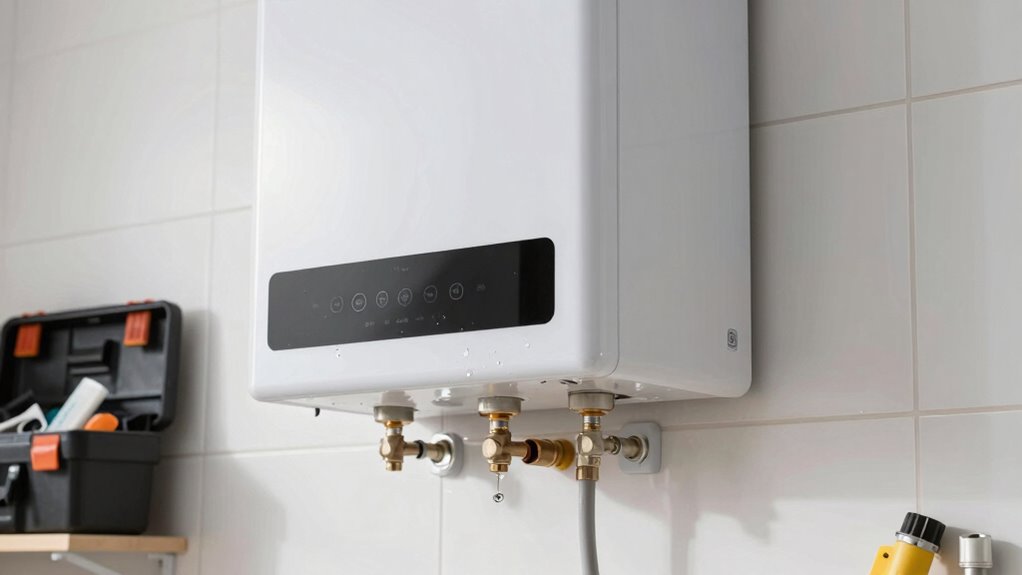

Many homeowners have unrealistic expectations about tankless water heaters because they don’t fully understand the installation and maintenance needs. These units need proper venting, electrical, and plumbing upgrades, which many underestimate. Plus, ongoing care like descaling is often overlooked. If you think a tankless heater will instantly fix all hot water problems, you might be disappointed. Keep exploring to discover common pitfalls and how to set realistic goals for your system’s performance.

Get travel and outdoor gear delivered free with Prime
- Fast, free delivery on millions of items
- Prime Video, Amazon Music and more included
- Member-only deals all year
Key Takeaways
- Inadequate understanding of installation complexity can lead to misjudged expectations and system inefficiencies.
- Poor water quality or neglecting maintenance reduces tankless heater lifespan and performance.
- Incorrect sizing and system design prevent users from experiencing the full benefits.
- Overestimating the ease of DIY installation often results in costly errors and system issues.
- Failing to recognize the importance of proper infrastructure and compatibility causes unrealistic expectations.
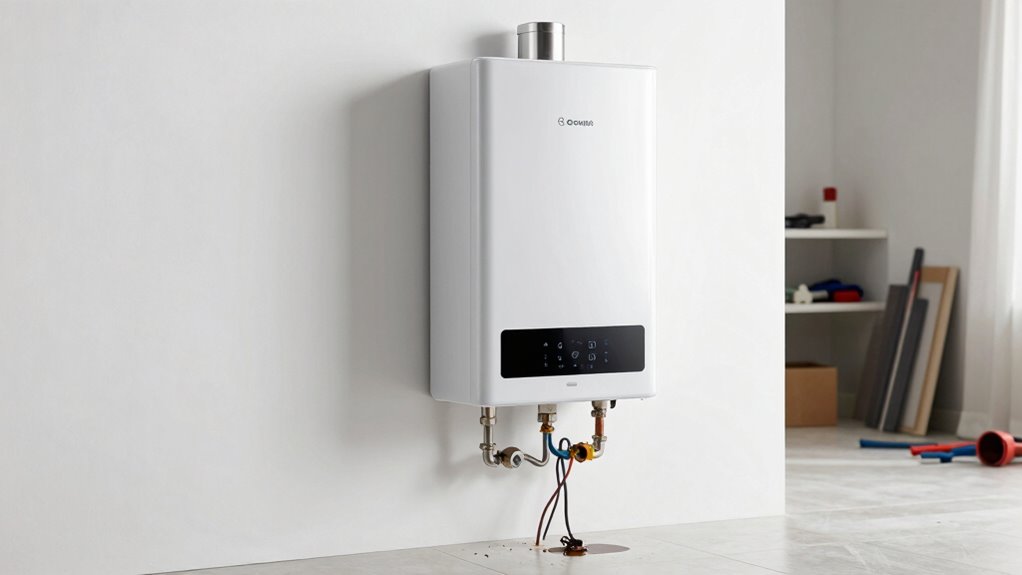
Another reason expectations go wrong often relates to installation challenges. Many homeowners underestimate the complexity of installing a tankless water heater. Unlike traditional tanks, these units require specific venting, dedicated electrical circuits, and sometimes even upgrades to your gas line or plumbing system. If you don’t have the proper infrastructure in place, installation can become costly and time-consuming. Poor installation can also lead to performance issues, such as leaks, inefficiency, or short lifespan. Some might think they can DIY the setup, but that’s rarely advisable given the technical requirements involved. Professional installation is essential to guarantee the unit operates correctly and safely, but it often adds to the upfront costs and planning. Additionally, proper installation is crucial for maximizing the unit’s lifespan and efficiency. A professional assessment can help identify potential challenges before installation begins, saving time and money in the long run. Moreover, understanding the installation requirements can help prevent common mistakes that compromise the system’s performance. Recognizing the importance of technological compatibility can also influence the long-term success of your tankless heater. Furthermore, many people expect to install a tankless heater and forget about maintenance. These units do require regular descaling and maintenance, especially in areas with hard water. Neglecting this can cause mineral buildup, reducing efficiency and lifespan. An awareness of ongoing maintenance needs can help homeowners plan for routine care to sustain performance. When expectations ignore ongoing maintenance needs, homeowners might feel disappointed with the unit’s longevity or performance. Also, some assume that a tankless heater will instantly solve all hot water issues, but in reality, it’s just one part of a larger system. Proper plumbing design, adequate sizing, and correct installation are all essential to realizing the full benefits.
In the end, your expectations for a tankless water heater might fall short if you overlook these critical factors. It’s essential to understand that while these units offer advantages, they’re not a magic fix. Proper sizing, professional installation, and ongoing maintenance are key to guaranteeing your investment lives up to your expectations. If you approach the process with realistic goals and informed planning, you’ll be better prepared to enjoy the benefits of on-demand hot water without unnecessary frustration.
tankless water heater installation kit
As an affiliate, we earn on qualifying purchases.
As an affiliate, we earn on qualifying purchases.
Frequently Asked Questions
How Long Do Tankless Water Heaters Typically Last?
Tankless water heaters typically last around 20 years, but this depends on various longevity factors. Your tank’s lifespan can be extended with regular maintenance, such as descaling and flushing to prevent mineral buildup. Proper installation and water quality also play a role in maximizing its longevity. If you stay on top of upkeep, you can enjoy reliable hot water for two decades or more, making it a smart investment.
Are Tankless Water Heaters Energy-Efficient in All Homes?
Tankless water heaters are generally energy-efficient, but their efficiency depends on your home’s energy consumption patterns. If you have high water demand, a tankless unit can still save you money through cost savings on energy bills. However, in homes with low water usage, the savings might be less noticeable. Proper sizing and installation are key to maximizing efficiency and ensuring you get the full benefits of energy savings.
Can Tankless Heaters Provide Hot Water During a Power Outage?
During a power outage, your tankless water heater can’t provide hot water because it relies on electricity to operate. To keep hot water flowing, you need backup solutions like a generator or a battery backup system. Without these, you won’t get hot water when the power’s out. Planning ahead with backup solutions guarantees you stay comfortable and avoid disruptions, even during unexpected power outages.
What Maintenance Is Required for Tankless Water Heaters?
Imagine your tankless water heater as a tiny, high-maintenance diva. You’ll need to regularly flush to prevent scaling buildup, which keeps it running smoothly. Don’t forget venting requirements—improper venting can turn it into a smoky drama queen. Regular maintenance, including scaling prevention and checking venting, guarantees your water heater stays efficient and drama-free, giving you endless hot water without surprise performances or breakdowns.
Do Tankless Water Heaters Work Well in Cold Climates?
In cold climates, tankless water heaters can work well if you choose a model designed for low temperatures. Cold weather can reduce heater efficiency, but with proper sizing and insulation, you’ll maintain hot water supply without issues. Make certain to select a heater rated for your area’s cold climate, and consider additional insulation to prevent heat loss. Proper maintenance also helps guarantee consistent performance during harsh winters.
Conclusion
If you’re hoping your tankless water heater will be a magic wand that never lets you down, you might find yourself disappointed. Like a garden that needs regular watering, your heater needs proper maintenance and realistic expectations. When you understand its limits, you’ll avoid the letdowns and enjoy the warm flow without the surprise storms. Remember, a tankless heater is a helpful tool, but it’s not a fairy tale—manage expectations, and you’ll stay warm and happy.
Halloween Picks
halloween
As an affiliate, we earn on qualifying purchases.