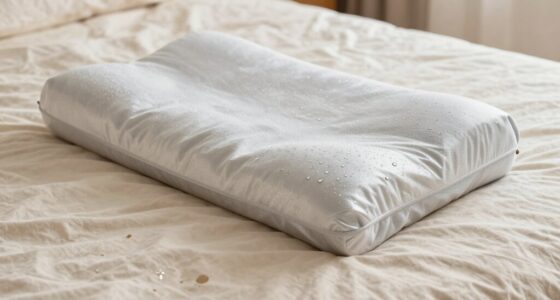

The zero-gravity feature creates an environment that reduces the effects of gravity, simulating space-like conditions. It’s designed to support your body naturally, distributing weight evenly and improving comfort. This isn’t an illusion but a scientifically engineered environment that helps minimize pressure points and strain, especially for those with back or circulation issues. If you want to understand how this technology benefits your daily life and space adaptation, there’s more to discover below.

Get travel and outdoor gear delivered free with Prime
- Fast, free delivery on millions of items
- Prime Video, Amazon Music and more included
- Member-only deals all year
Key Takeaways
- Zero-gravity technology creates an environment that minimizes gravity effects, simulating space-like conditions for better comfort.
- It evenly distributes body weight, reducing pressure points and alleviating discomfort during prolonged sitting or lying.
- Designed based on ergonomic principles and scientific research to support natural body alignment and prevent health issues.
- It prepares the body for space environments, easing adaptation to microgravity during long-term missions.
- The technology offers tangible health benefits, such as reducing fatigue, improving posture, and supporting musculoskeletal health.
Imagine experiencing weightlessness firsthand—thanks to the innovative zero-gravity feature now integrated into certain products and environments. This technology isn’t just about creating a sensation of floating; it’s designed to help you adapt to space-like conditions and boost comfort in everyday settings. When you encounter zero-gravity features, what you’re really experiencing is a carefully engineered environment that minimizes the effects of gravity, offering a new way to approach space adaptation and comfort enhancement.
Experience weightlessness and enhanced comfort with zero-gravity technology designed to simulate space conditions and support your body.
In practical terms, zero-gravity features are often incorporated into seating, beds, or specialized environments where reducing pressure points and easing strain is essential. For example, in high-end office chairs or luxury beds, this technology automatically adjusts to your body’s shape, distributing weight evenly. It’s not about making you feel like you’re in space but about mimicking some of its benefits—reducing fatigue and alleviating discomfort caused by prolonged sitting or lying down. This is especially helpful for people with back pain or circulation issues.
When you use a product equipped with a zero-gravity feature, you notice how effortlessly it conforms to your body. The design takes into account your weight distribution, so you don’t have to constantly adjust or reposition yourself. This comfort enhancement makes daily routines more relaxed and less tiring. It’s as if the environment itself adapts to you, which is a leap forward from traditional furniture or seating that forces you into fixed positions. The technology also promotes better posture, helping prevent long-term musculoskeletal issues so common with poor ergonomics. Additionally, understanding the ergonomic principles behind these designs can help you appreciate how they contribute to health benefits.
From a space adaptation perspective, zero-gravity tech prepares your body to handle environments where gravity isn’t the same. While most of us never leave Earth’s surface, these features simulate some of the conditions astronauts face, making it easier to transition or adapt to space travel scenarios. For industries or individuals concerned about long-term space missions, this tech offers a way to maintain comfort and health, reducing the physical toll of microgravity. Furthermore, these innovations are often based on scientific research into human physiology and biomechanics, ensuring their effectiveness. Additionally, understanding how ergonomic design plays a role in these technologies can further enhance your understanding of their benefits.
In essence, the zero-gravity feature isn’t about illusions or hype. It’s a practical tool that enhances comfort by supporting your body more naturally and helping you adapt to various physical environments. Whether you’re dealing with everyday fatigue or preparing for space travel, this tech offers tangible benefits. It’s about making your daily life more comfortable and your body better supported—simple, effective, and grounded in real science. For example, ergonomic principles are fundamental in designing these features to ensure they provide genuine support and health benefits.
Products Worth Considering

DJI Osmo Mobile 8 3-Axis Gimbal Stabilizer for Phones

Amazon Kindle Paperwhite (2024), 16GB, 7-inch Display, Black

GoPro MAX2 Waterproof 360 and Traditional Action Camera with Touch Screen
As an affiliate, we earn on qualifying purchases.
Frequently Asked Questions
How Does Zero Gravity Affect the Human Body Over Time?
In zero gravity, your muscles weaken and your bones lose density over time because they no longer bear weight. You might experience muscle atrophy and decreased bone strength, making you more prone to fractures and weakness. Without gravity, your body struggles to maintain normal structure and function, so astronauts need regular exercise routines to counteract these effects. Long-term exposure could substantially impact your physical health if not managed properly.
What Are Common Misconceptions About Zero Gravity Environments?
Like space tourists dreaming of weightlessness, you might think zero gravity means no physical effects—myth. In reality, it impacts your muscles and bones more than you expect, which is why commercial research and space tourism programs emphasize training. Common misconceptions include believing you float effortlessly or that zero gravity is completely comfortable; instead, it challenges your body in subtle ways, like a gentle but persistent reminder of gravity’s unseen grip.
How Do Astronauts Adapt to Zero Gravity Physically and Mentally?
You adapt to zero gravity by engaging in daily exercise to combat muscle atrophy and maintain bone density. Mentally, you develop routines and stay connected with loved ones to stay positive. You learn to navigate the environment carefully, strengthening your spatial awareness. This combination of physical workouts and mental resilience helps you adjust to the unique challenges of zero gravity, ensuring your body and mind stay healthy during your mission.
Can Zero Gravity Be Simulated Accurately on Earth?
Yes, zero gravity can be simulated accurately on Earth through space station experiments and gravity simulation techniques. You experience weightlessness by using devices like parabolic flights, neutral buoyancy pools, or clinostats, which mimic microgravity conditions. These methods allow scientists to study physical and biological effects of zero gravity, though they may not perfectly replicate all aspects. Still, they’re effective tools for research and training.
What Are the Practical Applications of Zero Gravity Beyond Space Travel?
Zero gravity’s practical uses extend beyond space travel. You could experiment with space farming, growing crops in zero-g environments to improve food security. Zero-G sports also become possible, offering unique athletic challenges and entertainment. Researchers explore medical advancements, like studying cell behavior in zero-g. These applications could revolutionize agriculture, sports, and healthcare, demonstrating that zero gravity isn’t just for astronauts—it has real-world benefits here on Earth.
Conclusion
Now that you understand the zero-gravity feature, it’s like stepping into a weightless world where your car becomes a floating sanctuary. No hype, just science making everyday driving feel like a gentle dance on air. Imagine gliding effortlessly, your worries drifting away with each smooth turn. It’s not magic—it’s technology designed to lift you above the ordinary, turning your journey into a serene voyage through the clouds. Welcome to your new horizon.