TL;DR

Get travel and outdoor gear delivered free with Prime
- Fast, free delivery on millions of items
- Prime Video, Amazon Music and more included
- Member-only deals all year
Compact travel backpacks range from 20 to 40 liters, designed to fit airline carry-on limits. They combine lightweight durability with smart organization, making them perfect for modern travelers seeking convenience and security.
Imagine packing for a week-long trip into a bag small enough to slide under your airplane seat. Compact travel backpacks aren’t just about saving space — they’re about freedom. Less bulk, more mobility. But how do you pick one that ticks all the boxes?
In this guide, you’ll learn what features matter most, how to spot quality, and which brands deliver the best bang for your buck. Whether you’re city-hopping or heading into the wilderness, a smart choice can make all the difference.
Choose a backpack size between 20-30 liters for most carry-on needs and maximum mobility.
Prioritize ergonomic and padded straps for comfort during extended wear.
Organizational features like multiple compartments and RFID-blocking pockets boost convenience and security.
Lightweight, water-resistant materials like recycled nylon keep your gear safe and your pack manageable.
Versatility in design allows your backpack to serve both urban and outdoor adventures.
What Size Should Your Compact Backpack Be? Think 20-40 Liters
Most compact travel backpacks measure between 20 and 40 liters. That size strikes the perfect balance between enough space and portability. For example, a 22-liter pack can hold a laptop, clothes, and essentials for a weekend trip. Want a bit more room? A 30-liter bag can handle a week’s worth of gear without feeling bulky.
Consider airline carry-on limits, typically around 22 x 14 x 9 inches. Many brands design their packs to fit perfectly within these restrictions, so you avoid checked luggage fees.
**Tip:** If you travel frequently, pick a pack that’s just under the airline’s size limit — it’s your guaranteed pass through security.
As an affiliate, we earn on qualifying purchases.
Design and Comfort: Why Padded Straps & Good Ergonomics Matter
If your backpack feels like a rock in your shoulders after an hour, you won’t want to carry it far. Comfort features like padded shoulder straps, breathable back panels, and adjustable sternum straps are vital because they directly impact your travel experience. Poor ergonomics can lead to fatigue, muscle strain, and even long-term posture issues, especially during extended periods of wear. Conversely, well-designed packs distribute weight evenly, reducing pressure points and allowing for longer, more comfortable adventures. When choosing a pack, consider how well it molds to your body, and whether the padding and ventilation are sufficient to keep you comfortable even in hot weather or crowded environments.
Imagine trekking through a busy airport or sightseeing in a city. A well-designed pack distributes weight evenly, reducing fatigue and allowing you to stay agile.
**Pro tip:** Look for packs with padded straps that are adjustable, and a back panel with mesh padding for extra breathability.
Organization & Compartments: Keep Your Stuff Neat & Easy to Find
Nothing’s worse than digging through a jumble of clothes and gadgets. Smart organization isn’t just about neatness; it’s about efficiency and peace of mind. Multiple compartments allow you to separate electronics from toiletries, clothes from documents, and valuables from everyday essentials. This separation speeds up packing and unpacking, reduces the risk of damage, and helps you stay organized on the go. For example, dedicated padded sleeves protect laptops and tablets from bumps, while quick-access pockets save time during security checks or when grabbing your passport. Hidden compartments add an extra layer of security for valuables, giving you peace of mind in crowded places. Good organization also helps distribute weight evenly, which enhances comfort and balance during travel. Choosing a pack with well-thought-out compartments means you won’t waste time rummaging or risking damage, making your journey smoother and less stressful.
Durability & Materials: Lightweight Yet Tough Enough for Anything
Durability is key when your bag faces airport baggage handlers, rain, and rough terrain. Materials like nylon, polyester, and ballistic fabric are popular because they strike a balance between being lightweight and tough enough to withstand daily wear and tear. These fabrics resist tears, abrasions, and water, which are common hazards during travel. For instance, the Peak Design Everyday Backpack uses weatherproof recycled materials, keeping your gear dry and protected even in sudden rainstorms. However, there’s often a tradeoff: more durable fabrics can add weight, so choosing a material that balances toughness with lightness is crucial. Reinforced stitching and quality zippers further extend your pack’s lifespan. Consider how much exposure to the elements your trip involves, and prioritize water resistance and durability on stress points like zippers and straps. Investing in high-quality materials means your backpack can handle the rigors of travel without falling apart, giving you peace of mind and saving money in the long run.
Smart & Security Features: Lock Up Your Valuables
Smart security features are essential in crowded environments where theft or digital threats are more likely. Lockable zippers prevent pickpocketing, while RFID-blocking pockets protect your electronic data from digital theft. Hidden compartments add an extra layer of security, allowing you to store valuables out of sight. For example, some backpacks incorporate lockable zippers that can be secured with small padlocks, making it harder for someone to unzip your bag unnoticed. RFID-blocking pockets shield your passports and credit cards from electronic skimming, which is increasingly common in busy tourist areas. These features not only safeguard your belongings but also give you peace of mind, enabling you to focus on enjoying your trip without constantly worrying about theft or data breaches. When choosing a backpack, consider how well these security features integrate into the overall design without adding bulk or reducing accessibility. Well-implemented security features are a smart investment for any traveler concerned about safety and data privacy.
Versatility: From Commuter to Adventure — One Bag Does It All
Good compact backpacks aren’t just for travel; their versatility makes them invaluable daily companions. Features like hydration reservoir compatibility, removable or adjustable straps, and convertible designs allow the pack to adapt seamlessly from urban settings to outdoor adventures. For instance, a backpack with a hydration sleeve and rugged, water-resistant fabric can easily serve as a daypack for hiking, while a sleek profile with professional aesthetics suits business environments. The ability to switch between carrying modes—such as shoulder straps, backpack straps, or briefcase handles—enhances usability across different situations. This multifunctionality means you don’t need multiple bags, saving money and space, and making packing simpler. When selecting a versatile pack, consider how easily it transitions between different uses and environments, and whether its features align with your lifestyle. A highly adaptable backpack maximizes value and ensures you’re prepared for whatever your day throws at you.
Comparison Table: Top Compact Travel Backpack Features & Brands
| Brand | Capacity | Weight | Materials | Price Range | Special Features |
|---|---|---|---|---|---|
| Nomatic | 20-30L | 2.2 lbs | Water-resistant recycled nylon | $150+ | RFID pockets, USB port, expandable |
| Peak Design | 20-30L | 2.3 lbs | Weatherproof recycled materials | $200+ | Quick-access pockets, versatile straps |
| Osprey | 25-40L | 2.5 lbs | Nylon/polyester blend | $100-$180 | Ergonomic design, hydration compatible |
| Tortuga | 20-30L | 2.4 lbs | Lightweight nylon | $130-$160 | Multiple compartments, lockable zippers |
How to Pack Your Compact Backpack Like a Pro
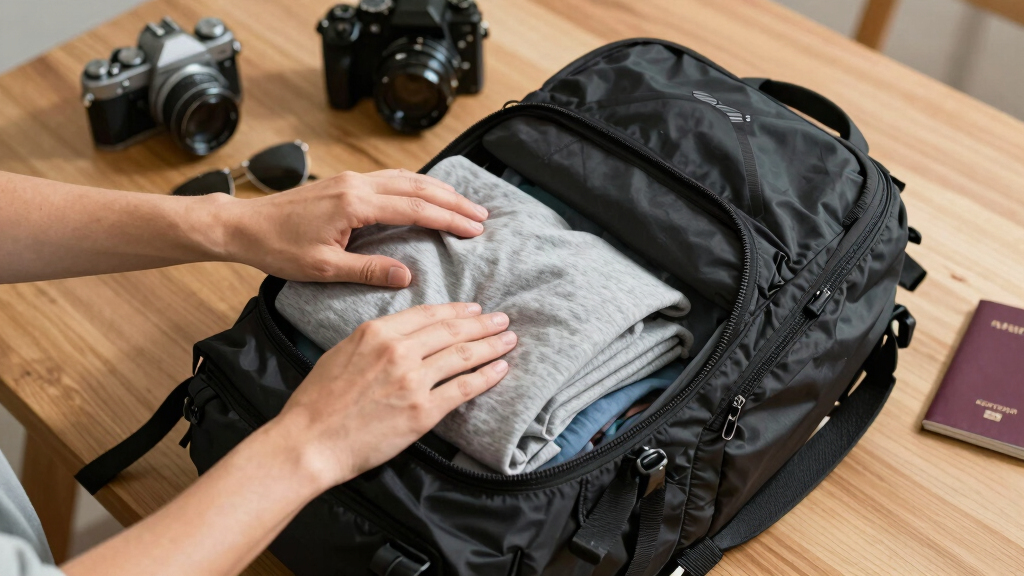
- Lay out everything you need. Be ruthless — only take what you’ll use.
- Roll clothes instead of folding. It saves space and reduces wrinkles.
- Use the compartments wisely — electronics in padded sleeves, toiletries in waterproof pockets.
- Place heavier items at the bottom near your back for better balance.
- Keep essentials like passport, phone, and wallet in quick-access compartments.
Frequently Asked Questions
What size backpack is best for carry-on travel?
Most travelers find that a backpack around 20-30 liters fits airline carry-on restrictions comfortably, providing enough space without excess bulk. Always check your airline’s specific size limits before packing.How do I choose a compact backpack that fits my needs?
Identify your trip type: urban, outdoor, or mixed. Then prioritize size, organization features, comfort, and security. For example, city trips benefit from sleek designs with RFID pockets, while outdoor adventures need durable, water-resistant fabrics.Are compact travel backpacks suitable for long trips?
They can be, if packed efficiently. Opt for models with expandable compartments or versatile straps, and pack only essentials. For longer trips, consider a pack around 30 liters that offers more room without sacrificing portability.What security features should I look for?
Look for lockable zippers, RFID-blocking pockets, and hidden compartments. These features help protect your valuables from pickpockets and digital theft, especially in crowded places.How durable are these backpacks?
High-quality models use tough, water-resistant fabrics like nylon or polyester blends. Reinforced stitching and quality zippers extend their lifespan, even with frequent travel or rough handling.Conclusion
Think of your compact travel backpack as a trusted partner, ready to move with you through bustling airports or quiet trails. Picking the right one means balancing size, comfort, and smart features — making travel smoother and more enjoyable.
When you find that perfect pack, it’s like holding a pocket-sized command center for your adventures. Travel light, travel right — your next trip awaits.
Columbus Day / Indigenous Peoples' Day Picks
long weekend sales
As an affiliate, we earn on qualifying purchases.