
TL;DR

Get travel and outdoor gear delivered free with Prime
- Fast, free delivery on millions of items
- Prime Video, Amazon Music and more included
- Member-only deals all year
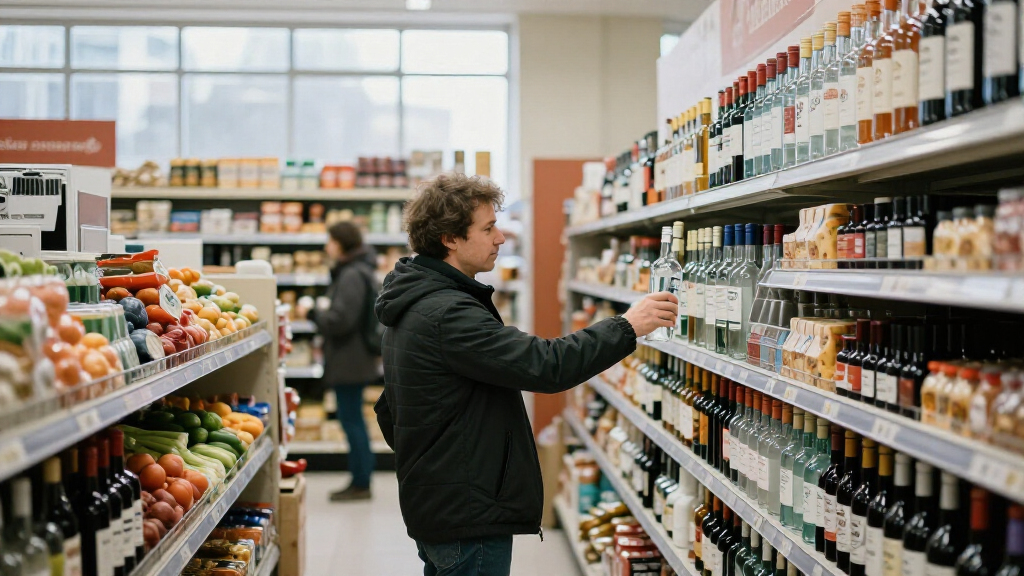
Spending on groceries and alcohol is rising at Russian malls, accounting for a growing share of consumer expenditure. This trend reflects shifting shopping patterns, but the reasons remain unconfirmed.
Recent observations suggest that groceries and alcohol are increasingly representing a larger share of consumer spending at Russian shopping malls. This shift is noteworthy for analysts and industry observers, as it indicates changing shopping habits amid economic and social factors. While exact figures are not yet publicly confirmed, the trend has attracted heightened coverage and interest in recent weeks.
According to recent trend signals, consumer expenditure at Russian malls is progressively shifting towards food staples and alcoholic beverages. Industry sources note that these categories now constitute a growing proportion of total mall sales, although precise data remains unavailable. Experts suggest that this trend may be driven by factors such as inflation, changing consumer priorities, or a preference for one-stop shopping experiences, but these reasons are not yet confirmed by official statistics.
Market analysts observe that the increase in grocery and alcohol sales could reflect broader economic pressures or social changes, including shifts in disposable income and lifestyle preferences. Retailers and mall operators are reportedly adapting to these trends by expanding dedicated sections for food and beverages, but detailed figures and official reports are still pending. The phenomenon appears to be part of a broader pattern of evolving consumer behavior in Russia, though the full scope and causes are still under study.
Implications for Retail and Consumer Behavior
The rising share of groceries and alcohol in mall spending signals a potential shift in consumer priorities and retail strategies in Russia. If sustained, this trend could influence how malls allocate space, target marketing efforts, and develop new services. It may also reflect broader economic conditions, such as inflation or changes in household budgets, which could impact the retail sector’s future trajectory. Understanding these shifts is crucial for industry stakeholders, policymakers, and investors aiming to anticipate market developments and adapt accordingly.
As an affiliate, we earn on qualifying purchases.
Recent Trends in Russian Consumer Spending
Over the past year, Russian consumer behavior has shown signs of change, with increased interest in essential goods and alcohol, especially amid economic pressures and social adjustments. While detailed official data on mall sales composition is limited, industry reports and market signals suggest a growing focus on food and beverage purchases within shopping centers. Historically, malls in Russia have been centers for diverse retail, but recent coverage indicates a noticeable pivot toward these categories, possibly reflecting broader shifts in consumption patterns.
Previous years saw a more balanced distribution of spending across apparel, electronics, and entertainment, but the current trend points to a reallocation of consumer budgets. Analysts note that this development could be part of a longer-term change or a temporary response to current economic conditions, but definitive conclusions await further data.
Unconfirmed Causes and Future Trends
It is not yet clear whether the rising share of groceries and alcohol in mall spending is a temporary fluctuation or a sustained shift. Official sales data and detailed breakdowns are still unavailable, and analysts are cautious about attributing the trend to specific causes such as inflation, social changes, or other economic factors. Further research and official statistics are needed to confirm the underlying drivers and long-term implications of this development.
Monitoring Official Data and Market Responses
Industry experts and analysts expect upcoming official retail sales reports to clarify the extent of this shift. Retailers are likely to continue adjusting their offerings, and market observers will watch for further signs of lasting change. Additionally, consumer surveys and economic indicators may shed light on the motivations behind increased grocery and alcohol spending in malls. The trend’s evolution over the coming months will determine whether it represents a fundamental shift or a short-term response.
Key Questions
Why are groceries and alcohol spending increasing at Russian malls?
While specific causes are not yet confirmed, experts suggest factors such as inflation, changing consumer priorities, or a preference for convenient, one-stop shopping experiences may be contributing.
Is this trend expected to continue long-term?
It remains uncertain whether the increase in grocery and alcohol sales will be sustained. Official data and further analysis are needed to determine if this is a lasting shift or a temporary response to current economic conditions.
How might this trend affect mall retail strategies?
Retailers may respond by expanding or emphasizing food and beverage sections, adjusting marketing strategies, and reallocating space to meet changing consumer demands.
Could this trend impact other retail categories?
Possibly. If consumer spending continues to favor essentials like groceries and alcohol, other categories such as apparel or electronics might see a relative decline in mall sales share.
Are these changes unique to Russia?
Similar shifts have been observed in other markets under economic pressures, but the specific dynamics in Russia are still being studied and confirmed through official data.
Source: rss
Halloween Picks
halloween
As an affiliate, we earn on qualifying purchases.