
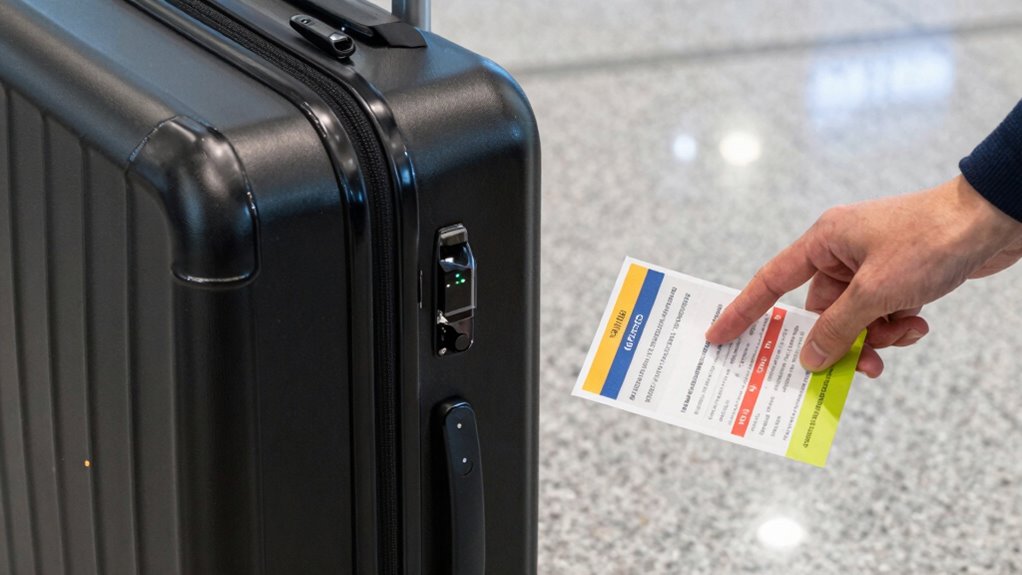

Many travelers misread airline rules for smart luggage batteries, focusing only on whether they’re allowed rather than comprehending watt-hour limits and approval needs. Batteries up to 100Wh usually don’t need approval, but those over 100Wh and up to 160Wh might require airline approval, while batteries above 160Wh are generally banned. Properly understanding these limits helps you avoid delays and safety issues. If you want to ensure your travel goes smoothly, keep these rules in mind and learn more behind the guidelines.

Get travel and outdoor gear delivered free with Prime
- Fast, free delivery on millions of items
- Prime Video, Amazon Music and more included
- Member-only deals all year
Key Takeaways
- Many travelers mistakenly believe all smart luggage batteries are automatically approved; proper capacity and safety standards are essential.
- People often overlook airline approval requirements for batteries between 100 Wh and 160 Wh.
- There’s confusion about which batteries can be checked versus carried in cabin luggage.
- Some assume damaged or non-compliant batteries are permitted, risking safety violations.
- Travelers frequently misunderstand watt-hour ratings, leading to misinterpretation of airline restrictions.
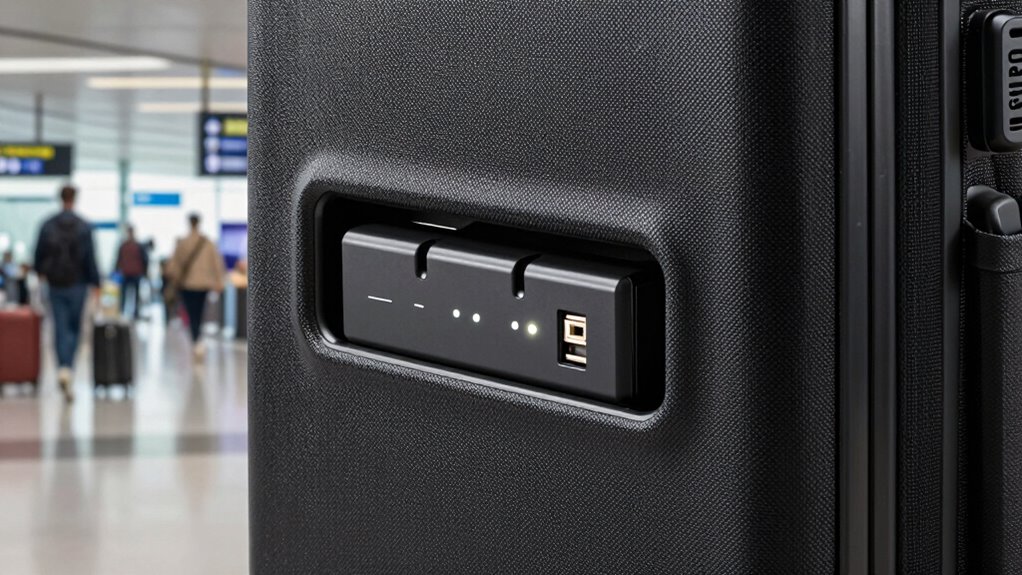
Smart luggage batteries have become an essential feature for modern travelers, offering the convenience of charging devices on the go. However, many people overlook the importance of understanding airline regulations surrounding these batteries. While they’re incredibly useful, their safety and compliance can trip up even seasoned travelers. If you’re not careful, you could find yourself stuck at the airport or facing hefty penalties. That’s why it’s vital to familiarize yourself with the rules to ensure smooth travel experiences.
Battery safety is at the heart of airline regulations concerning smart luggage batteries. Airlines and safety authorities have strict guidelines because lithium-ion batteries, which power most smart luggage, pose fire risks if mishandled or damaged. These regulations primarily focus on the battery’s capacity, often measured in watt-hours (Wh). For instance, batteries with a capacity of up to 100 Wh generally don’t require airline approval and are allowed in carry-on luggage. Batteries between 100 Wh and 160 Wh may need airline approval, and anything exceeding 160 Wh is usually prohibited in passenger aircraft. Knowing the capacity of your smart luggage’s battery helps you avoid surprises at security checks.
Battery capacity determines airline approval and safety compliance for smart luggage batteries.
Many travelers mistakenly believe that all smart luggage batteries are treated the same, but airline regulations are specific. The key point is that these batteries must be carried in the cabin, not checked in with your luggage. This is because in the event of a fire caused by the battery, it’s safer to handle it in the cabin under supervision, rather than in the cargo hold. Additionally, airlines often require batteries to be either installed in the luggage or carried separately, and some may restrict the number of batteries you can bring. It’s wise to check with your airline beforehand to confirm their policies on smart luggage batteries, as rules can vary.
Another common misunderstanding is assuming that all smart luggage with batteries is automatically approved for travel. You need to verify if the batteries meet safety standards and are properly installed. Damaged or defective batteries, or those not properly secured, can lead to safety violations. Always ensure your luggage’s batteries are in good condition and comply with airline regulations. Packing them properly and carrying proof of compliance can save you time and trouble at security checkpoints.
smart luggage with lithium-ion battery
As an affiliate, we earn on qualifying purchases.
As an affiliate, we earn on qualifying purchases.
Frequently Asked Questions
Can I Replace the Battery in My Smart Luggage?
Yes, you can replace the battery in your smart luggage, but you should check the manufacturer‘s instructions first. Battery replacement is part of luggage maintenance, ensuring your smart luggage stays functional. Make sure to use the correct battery type and follow safety guidelines. If you’re unsure, contact the manufacturer or a professional to avoid damaging your luggage or voiding the warranty. Proper maintenance keeps your smart luggage reliable for travel.
What Are the Airline Penalties for Non-Compliance?
Failing to comply with airline battery safety rules is like opening Pandora’s box—you risk hefty penalties. Airlines enforce strict regulations on non-compliance, which could result in fines, delay of your luggage, or even confiscation. They might also restrict your boarding if they suspect safety violations. To avoid these headaches, always follow airline enforcement guidelines regarding smart luggage batteries, ensuring your bag’s battery is within the allowed limits.
Are There Specific Brands That Meet Airline Regulations?
Some brands prioritize battery safety and meet airline regulations for smart luggage. Look for brands that clearly specify compliance with airline safety standards, such as those with UL or UN certifications for lithium batteries. These brands design their products to guarantee battery safety, reducing the risk of issues during travel. Always verify the specific airline regulations beforehand, and choose luggage from reputable companies that emphasize safety and compliance in their design.
How Do I Carry Spare Batteries Legally?
To carry spare batteries legally, you must follow airline regulations and prioritize battery safety. Keep batteries in your carry-on luggage, as most airlines prohibit spare batteries in checked bags. make certain batteries are protected from short circuits by taping over terminals or storing them in original packaging. Check your airline’s specific rules, and carry batteries within the allowed watt-hour limits. Following these steps helps you stay compliant and safe during your trip.
Are There Differences in Regulations Worldwide?
You’ll find that regulations worldwide are like a maze, but they all emphasize battery safety and follow international standards. Some countries have stricter rules on lithium content or storage methods, so it’s essential to verify each airline’s and country’s policies before traveling. Staying informed helps you avoid delays or confiscation. Always ensure your batteries meet safety standards and pack them correctly to keep your travel smooth and hassle-free.
Conclusion
So, next time you pack smart luggage, remember to check the batteries, understand the rules, and stay informed. Don’t overlook the importance of size limits, don’t ignore airline policies, and don’t assume all batteries are the same. By staying aware, asking questions, and following guidelines, you’ll travel smarter, safer, and stress-free. Keep these steps in mind, and let your smart luggage truly work for you—because a well-informed traveler is a worry-free traveler.
Halloween Picks
halloween
As an affiliate, we earn on qualifying purchases.