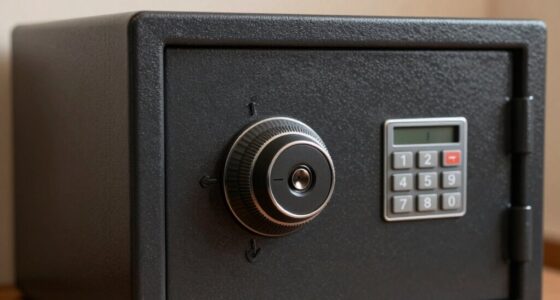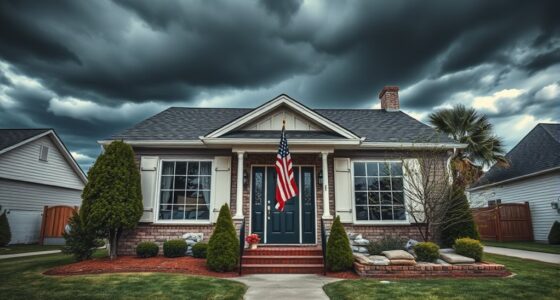

Before leaving your home for a long vacation, take steps to secure it by locking doors, setting alarms, and installing security cameras. Turn off non-essential appliances, set your thermostat wisely, and drain sprinkler systems. Clear mail and packages, notify neighbors to watch your home, and secure outdoor furniture. Double-check smoke detectors and secure valuables. Tidy up to prevent pests. Following this extensive plan ensures your home stays safe and in top shape—continue to discover more tips to prepare perfectly.
Key Takeaways
- Secure all doors, windows, and outdoor items; activate smart security systems and surveillance cameras.
- Turn off or unplug non-essential appliances, adjust thermostats, and drain sprinkler systems.
- Test smoke and carbon monoxide detectors; set security alerts and notify neighbors to monitor the property.
- Stop mail and package deliveries or have neighbors collect them to avoid indicating vacancy.
- Conduct a final home safety check, tidy up, and ensure all preparations are complete before departure.
Before you head out on a long vacation, it’s essential to prepare your home to prevent issues and guarantee peace of mind. Proper planning ensures your house stays safe, secure, and energy-efficient while you’re away. Start by reviewing your security measures. Double-check that all doors and windows are locked tightly, including those that are often overlooked, like basement or garage entries. Consider installing smart security systems that let you monitor your home remotely through your phone. Set up timers for your lights so they turn on and off at intervals, creating the illusion that someone is home. If you have cameras, ensure they are functioning correctly and update any firmware or software needed. Notify your trusted neighbors or friends about your trip, so they can keep an eye out and alert you to any suspicious activity.
Simultaneously, focus on energy conservation to prevent unnecessary expenses and reduce potential hazards. Turn off non-essential appliances and unplug electronics that don’t need to stay powered, such as chargers, TVs, and kitchen gadgets. Adjust your thermostat to a level that conserves energy but still protects your home from extreme temperatures, especially if you live in an area with harsh weather. For example, set the thermostat to a higher temperature in summer or lower in winter to prevent energy waste. If you have a programmable thermostat, schedule it to maintain a safe temperature throughout your absence. Drain water from your sprinkler system and shut off the main water supply if possible, to avoid leaks or flooding. Empty your refrigerator of perishables, and consider leaving a light or two on to give your home a lived-in appearance, deterring potential intruders. Additionally, review your home security measures regularly to ensure they are up-to-date and functioning properly.
Make sure your mail and packages are taken care of, either by stopping delivery or asking a neighbor to collect them. This prevents a buildup of mail that signals an unoccupied house. Check that smoke and carbon monoxide detectors are working properly, replacing batteries if needed, to ensure safety in your absence. Consider setting up a security system that notifies you of any unusual activity or emergencies. Before leaving, tidy up to prevent pests, and secure all outdoor tools and furniture that could be used to gain entry or cause damage during storms. Taking these steps not only enhances your home’s security measures but also promotes energy conservation, saving you money and reducing your environmental impact. When you return, you’ll appreciate the effort you put into safeguarding your home, knowing everything is in order and ready for your arrival.
smart home security system with remote monitoring
As an affiliate, we earn on qualifying purchases.
As an affiliate, we earn on qualifying purchases.
Frequently Asked Questions
How Early Should I Start Preparing My Home Before Leaving?
You should start preparing your home at least two weeks before leaving. This gives you enough time for home maintenance tasks like checking appliances, securing windows, and setting timers for lights. Don’t forget to review your travel insurance to guarantee coverage while you’re away. Early preparation reduces stress, keeps your home safe, and helps you handle any unexpected issues before departure.
What Security Measures Are Most Effective for Long Trips?
Think of your home security like locking a treasure chest; it keeps your valuables safe. To prevent theft during your trip, install smart locks and security cameras, and set up motion-activated lights. Inform trusted neighbors, and avoid sharing your plans on social media. These measures create a fortress, making theft prevention tough for intruders and ensuring your home stays secure while you’re away.
Should I Notify Neighbors or Authorities About My Absence?
You should notify your neighbors and authorities about your absence. Inform your neighborhood watch or trusted neighbors so they can keep an eye on your home and report any suspicious activity. Also, share your emergency contacts with them in case of urgent issues. This way, you create a safety network that prevents burglars and ensures your home stays protected while you’re away.
How Can I Prevent Plumbing Issues While Away?
Picture your pipes as silent guards, but even they can fail. To prevent plumbing issues, schedule a plumbing inspection and leak detection before you leave. Fix any drips or weak spots, and consider shutting off the main water valve to avoid surprises. These steps act as a shield, ensuring your home stays dry and safe, letting you enjoy your vacation worry-free.
What Are the Best Ways to Conserve Energy During My Absence?
To conserve energy during your absence, you should install energy-efficient appliances and use smart home technology. Set your thermostat to a higher or lower temperature, depending on the season, and turn off unnecessary electronics. Utilize smart devices to monitor and control your energy use remotely. These steps help reduce power consumption, save money, and guarantee your home stays safe while you’re away, all with minimal effort.

Sensi Smart Thermostat, 100 Years Of Expertise, Wi-Fi, Data Privacy, Programmable, Easy DIY Install, Works With Alexa, Energy Star Certified, Mobile App, ST55
PRIVACY PROTECTION*: Sensi won’t sell your personal information to third parties
As an affiliate, we earn on qualifying purchases.
As an affiliate, we earn on qualifying purchases.
Conclusion
By ticking off this whole-home checklist, you’re ensuring your house is ready for your adventure, like a well-oiled machine waiting patiently for your return. Think of it as sending your home a caring hug before you go, giving you peace of mind to enjoy your vacation fully. When you return, your home will be just as you left it—waiting for you like a good friend, happy and ready to welcome you back with open arms.

GMK Security Cameras Wireless Outdoor 4 Pack, 2K Battery Powered Cameras for Home Security, Color Night Vision, Motion Detection, 2-Way Talk, IP65 Waterproof, Remote Access, Cloud/SD Storage
【2K Ultra HD & Full Color Night Vision – 4 Cam Kit】Upgrade your home security with this 4…
As an affiliate, we earn on qualifying purchases.
As an affiliate, we earn on qualifying purchases.
home safety smoke and carbon monoxide detectors
As an affiliate, we earn on qualifying purchases.
As an affiliate, we earn on qualifying purchases.